
Comprehensive Guide to Food Processing Plant Sanitation and Food Safety Protocols
Maintaining rigorous sanitation standards in food processing plants is crucial for ensuring food safety, protecting consumers, and complying with regulatory requirements. In this guide, we will explore essential sanitation practices, the importance of hygiene, and how to implement effective protocols that align with industry standards.
Understanding Food Plant Sanitation
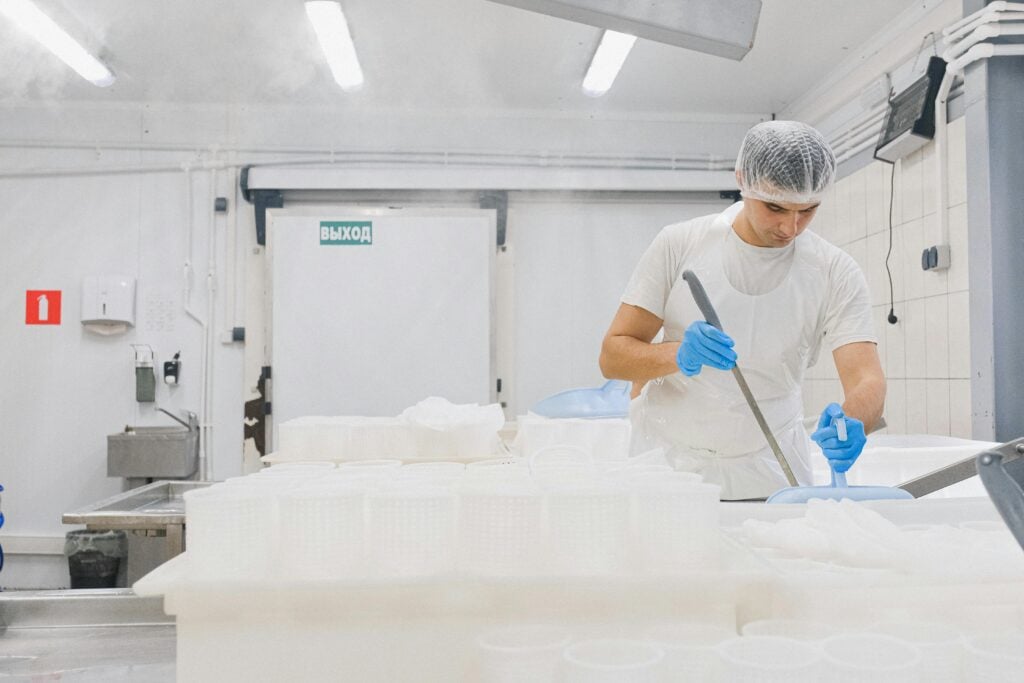
Food plant sanitation involves a series of cleaning and disinfection processes designed to eliminate dirt, debris, and microorganisms that pose contamination risks. Proper sanitation reduces the likelihood of foodborne illnesses and product recalls, safeguarding both brand reputation and consumer health.
Key Elements of Effective Sanitation
- Cleaning Procedures: Regular removal of dirt, food residues, and other contaminants from surfaces and equipment.
- Sanitization: Application of disinfectants to kill remaining bacteria and viruses, ensuring surfaces are safe for contact.
- Record-Keeping: Documenting sanitation activities to demonstrate compliance and identify areas for improvement.
Implementing Food Safety Protocols
Adopting HACCP (Hazard Analysis and Critical Control Points) plans is essential for identifying potential hazards and establishing critical control points to prevent contamination. Regular sanitation audits strengthen food safety initiatives, ensuring consistent compliance with industry standards.
Best Practices for Food Processing Sanitation
- Utilize automated cleaning systems for consistency and efficiency.
- Maintain clean-in-place (CIP) processes to reduce downtime and manual labor.
- Train staff regularly on sanitation protocols and hygiene best practices.
- Choose approved disinfectants compatible with food processing environments.
The Role of Sanitizers and Disinfectants
Effective sanitization involves selecting appropriate agents that are proven to eliminate pathogens without compromising food safety. It’s important to differentiate between cleaning, sanitizing, and disinfecting:
- Cleaning: Removing debris and residues.
- Sanitizing: Reducing microbes to safe levels.
- Disinfecting: Killing microorganisms on surfaces.
Top Industry Resources and Service Providers
Choosing a reliable sanitation service provider can significantly impact your food plant’s hygiene standards. Fayette Contract Sanitation Services offers comprehensive sanitation solutions tailored for food processing facilities. Other reputable companies include:
Investing in professional sanitation services ensures regulatory compliance, reduces microbial risks, and promotes a culture of food safety within your organization.
Conclusion
Effective sanitation in food processing plants is a vital component of a comprehensive food safety management system. By implementing proven cleaning and disinfection practices, leveraging advanced technology, and partnering with trusted service providers, your facility can maintain high hygiene standards, protect consumers, and comply with industry regulations.