Introduction to Food Plant Sanitation: The Cornerstone of Food Safety
Maintaining impeccable sanitation standards in food processing facilities is essential for safeguarding public health, complying with regulatory requirements, and ensuring product quality. The importance of state-of-the-art industrial sanitation techniques cannot be overstated in today’s competitive food industry landscape.
Understanding Food Plant Sanitation Services
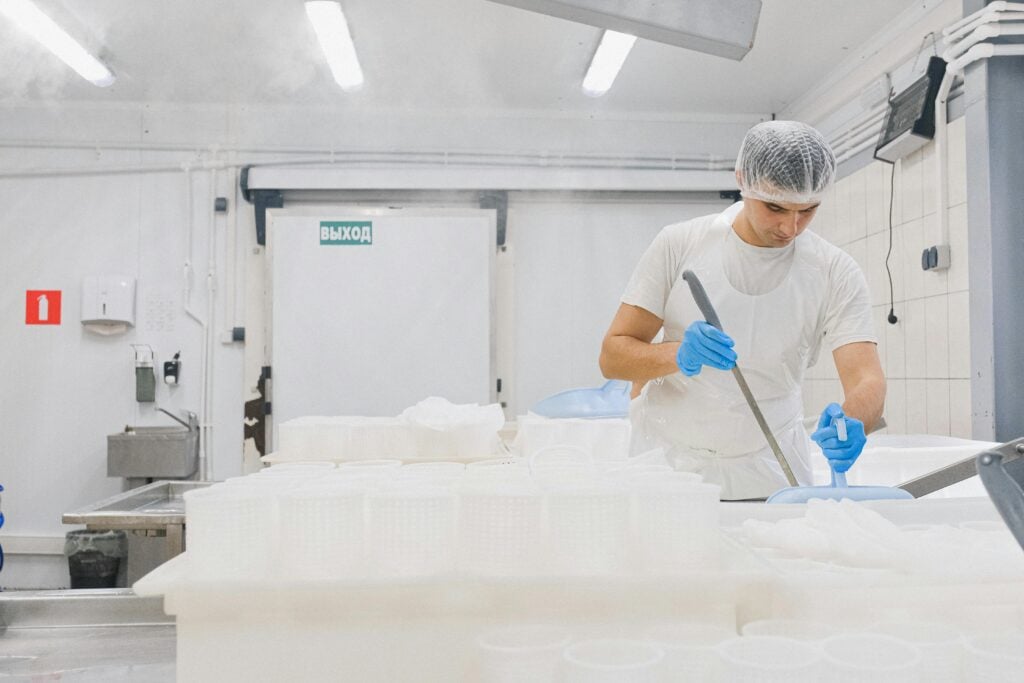
Effective food plant sanitation services encompass comprehensive cleaning protocols tailored to eliminate bacteria, viruses, and residues that can compromise food safety. These services combine manual and automated cleaning methods, including wet cleaning, to disinfect surfaces, equipment, and production areas.
Key Components of Food Processing Plant Cleaning
- Pre-cleaning procedures: Removing debris and soil buildup to facilitate effective sanitation.
- Cleaning agents: Using approved sanitizers and detergents compliant with industry standards.
- Sanitization protocols: Applying disinfectants to eradicate germs and prevent cross-contamination.
- Routine maintenance: Establishing schedules that ensure continuous compliance and mitigate risks.
Regulatory Compliance and HACCP System
Implementing HACCP (Hazard Analysis and Critical Control Points) is vital for identifying potential food safety hazards. Proper sanitation supports HACCP compliance by controlling microbial risks at critical points in the production line.
How Sanitation Contributes to HACCP Efficacy
- Prevents bacterial growth that can lead to foodborne illnesses.
- Ensures sanitation standards are maintained across all shifts.
- Supports documentation for audits and certifications.
Advanced Techniques in Industrial Sanitation
Use of Automated Cleaning Systems
Modern food processing plants increasingly employ automated wet cleaning systems and robotics, which provide consistent results and reduce manual labor. These systems ensure thorough coverage, especially in hard-to-reach areas, and help meet stringent sanitation standards.
Eco-Friendly and Sustainable Cleaning Solutions
Adopting eco-friendly sanitizers and biodegradable detergents not only aligns with sustainability goals but also minimizes chemical residues, ensuring safer food production environments.
Choosing the Right Sanitation Partner
Partnering with trusted contract sanitation companies is crucial. Reputable providers deliver tailored solutions that meet industry standards and regulatory compliance.
Sanitation Service Providers in the Industry
Choosing the right partner ensures adherence to sanitation standards, improves food safety, and supports successful audits.
Conclusion: Prioritizing Sanitation for Food Industry Success
Effective food processing plant cleaning and sanitation are foundational to maintaining food safety and regulatory compliance. Incorporating advances in technology and partnering with expert sanitation service providers like Fayette Contract Sanitation Services can elevate your facility’s hygiene level, reduce risks, and improve overall operational efficiency.