
Understanding the Critical Role of Industrial & Food Plant Sanitation in Maintaining Food Safety and Regulatory Compliance
In the highly regulated world of food processing, maintaining impeccable sanitation standards is paramount for ensuring food safety, meeting compliance regulations, and preserving brand integrity. Industrial sanitation, especially within food plants, encompasses specific techniques and practices designed to eliminate contaminants, prevent cross-contamination, and promote optimal hygiene practices across production lines.
Why Industrial Sanitation Is Essential for Food Safety
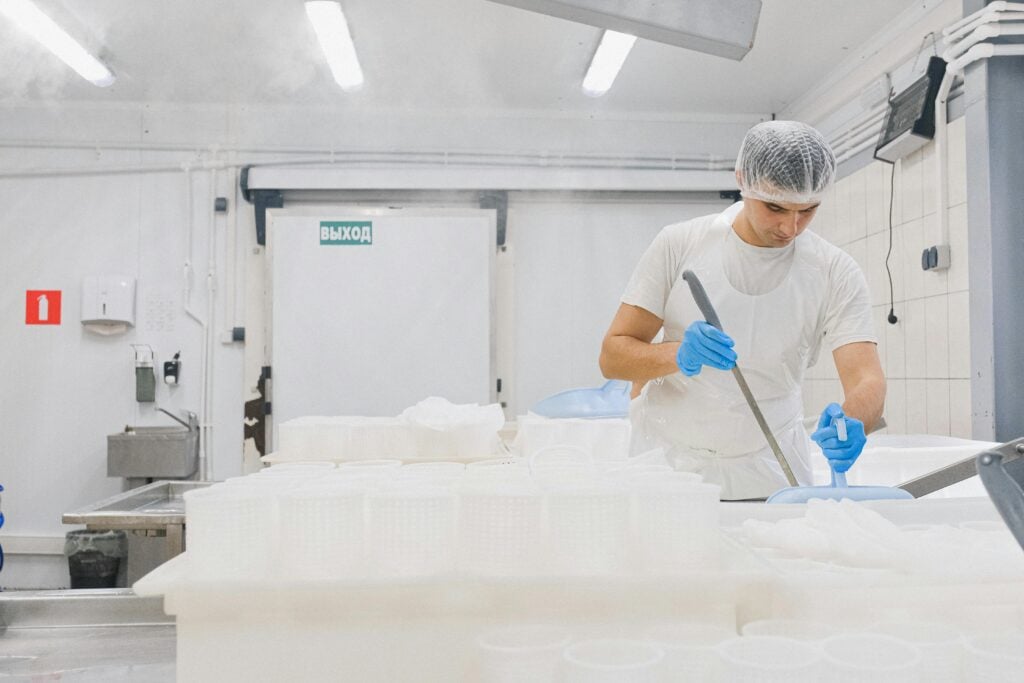
Effective food plant sanitation services are the backbone of safe food production. Through diligent cleaning procedures, food processing facilities can prevent the proliferation of bacteria, viruses, and other pathogens that compromise product quality and consumer health.
The Core Components of Food Plant Sanitation
- Cleaning: The physical removal of dirt, debris, and residues from surfaces and equipment.
- Sanitization: Using approved agents and procedures to reduce microbial levels to safe limits.
- Disinfection: The elimination of various pathogens, especially in high-risk areas like processing lines and packaging zones.
Best Practices for Food Processing Facility Cleaning
Adopt Wet Cleaning Methods
Among the most effective strategies is wet cleaning, which ensures thorough removal of stubborn residues and biofilms that can harbor bacteria.
Implement HACCP Systems
Good sanitation practices should align with a Hazard Analysis and Critical Control Point (HACCP) plan, which identifies potential hazards and establishes critical points for sanitation validation.
Choosing the Right Sanitation Service Providers
Partnering with professional contract sanitation companies can dramatically improve sanitation standards while keeping costs manageable. Reputable companies like Fayette Contract Sanitation Services, Janiking, and Hydrite offer tailored solutions for all sizes of food manufacturing facilities.
Ensuring Compliance and Food Safety
Besides routine cleaning, complying with regulations like the Food Safety Modernization Act (FSMA) requires documentation, employee training, and regular audits. Proper sanitation measures foster food safety and minimize recall risks.
Conclusion: Prioritizing Sanitation for a Safer Food Supply Chain
Effective sanitation is a critical investment in food safety and regulatory adherence. Using advanced techniques, partnering with reliable sanitation providers, and following best practices can transform your facility’s sanitation program into a competitive advantage.