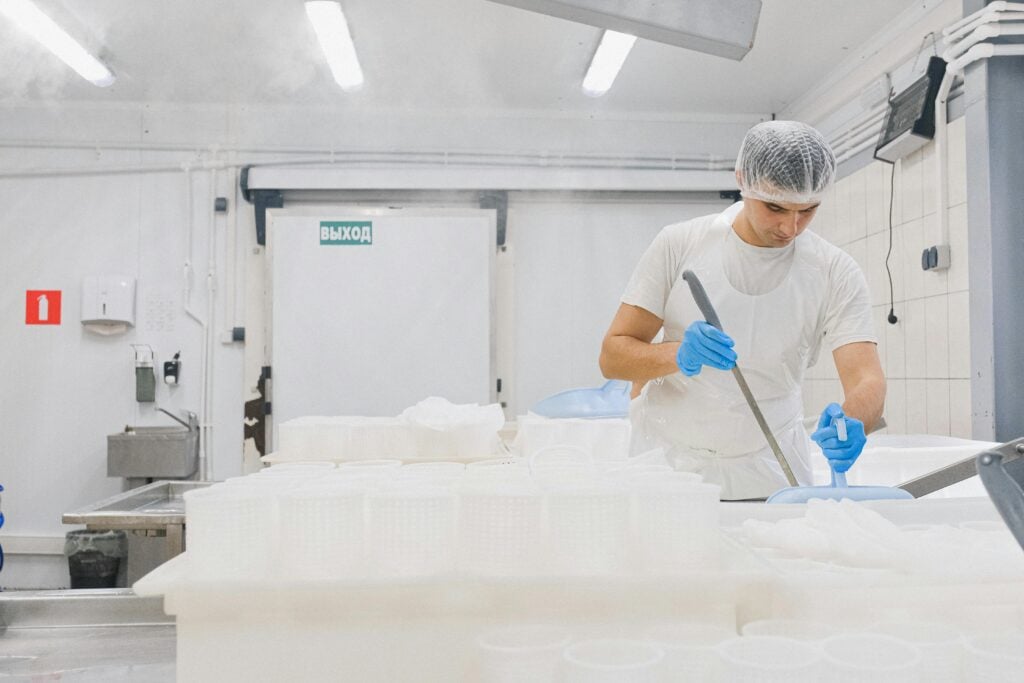
Maintaining a clean and sanitized food processing facility is crucial to ensure product safety and regulatory compliance. The food industry faces unique challenges that require specialized approaches to sanitation and cleaning procedures.
Understanding Food Plant Sanitation and Its Importance
Food plant sanitation involves a series of rigorous cleaning and sanitization practices designed to eliminate harmful bacteria, viruses, and other contaminants. Proper sanitation not only protects consumers but also helps companies avoid costly shutdowns and brand damage.
Key Components of Effective Food Industry Cleaning
- Pre-Cleaning Inspection: Regularly inspect equipment and surfaces to identify potential contamination sources.
- Wet Cleaning Methods: Utilize equipment such as high-pressure washers and foam applicators for thorough cleaning.
- Sanitization: Apply approved sanitizers that reduce microbial presence to safe levels.
- Recordkeeping and Monitoring: Maintain detailed logs and perform regular microbial testing for continuous improvement.
Compliance with HACCP and Regulatory Standards
The Fayette Contract Sanitation Services offer solutions aligned with HACCP (Hazard Analysis and Critical Control Points) standards. Implementing HACCP aids in identifying critical points where contamination may occur and establishing control measures.
Best Practices for Cleaning in the Food Industry
Scheduled Deep Cleaning
- Perform regular deep cleaning of equipment and surfaces, especially after production runs.
- Use food-grade cleaning agents that are compatible with processing equipment.
Employee Training and Hygiene
- Train staff on proper cleaning protocols and personal hygiene practices.
- Encourage frequent handwashing and use of protective gear.
Advanced Sanitation Technologies
Emerging technologies such as UV-C light sanitization and electrostatic spraying are gaining popularity for their efficiency and effectiveness in reducing microbial contamination.
Choosing the Right Contract Sanitation Partner
Partnering with reputable sanitation providers like Janiking, Jan-Pro, and GDI can help maintain high sanitation standards and compliance.
Conclusion
Effective sanitation in food processing plants is essential for ensuring food safety and meeting regulatory requirements. Employing advanced cleaning methods, maintaining detailed records, and collaborating with experienced sanitation providers can significantly enhance your facility’s operational standards.
For additional support, explore services from Fayette Contract Sanitation Services and other industry leaders dedicated to promoting food safety through quality sanitation.