Introduction to Food Plant Sanitation and Industrial Cleaning
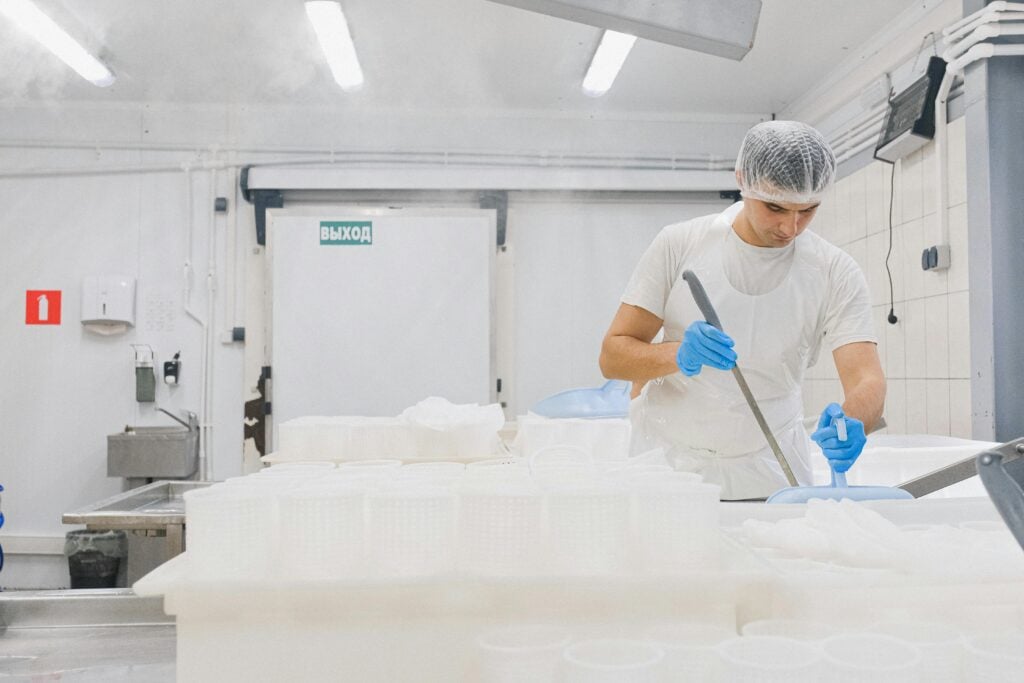
Maintaining cleanliness in food processing facilities is paramount for ensuring food safety and compliance with industry standards. Industrial sanitation encompasses a range of practices designed to eliminate bacteria, pests, and contaminants that could compromise food quality.
Key Components of Effective Food Plant Sanitation
Understanding Food Plant Sanitation Services
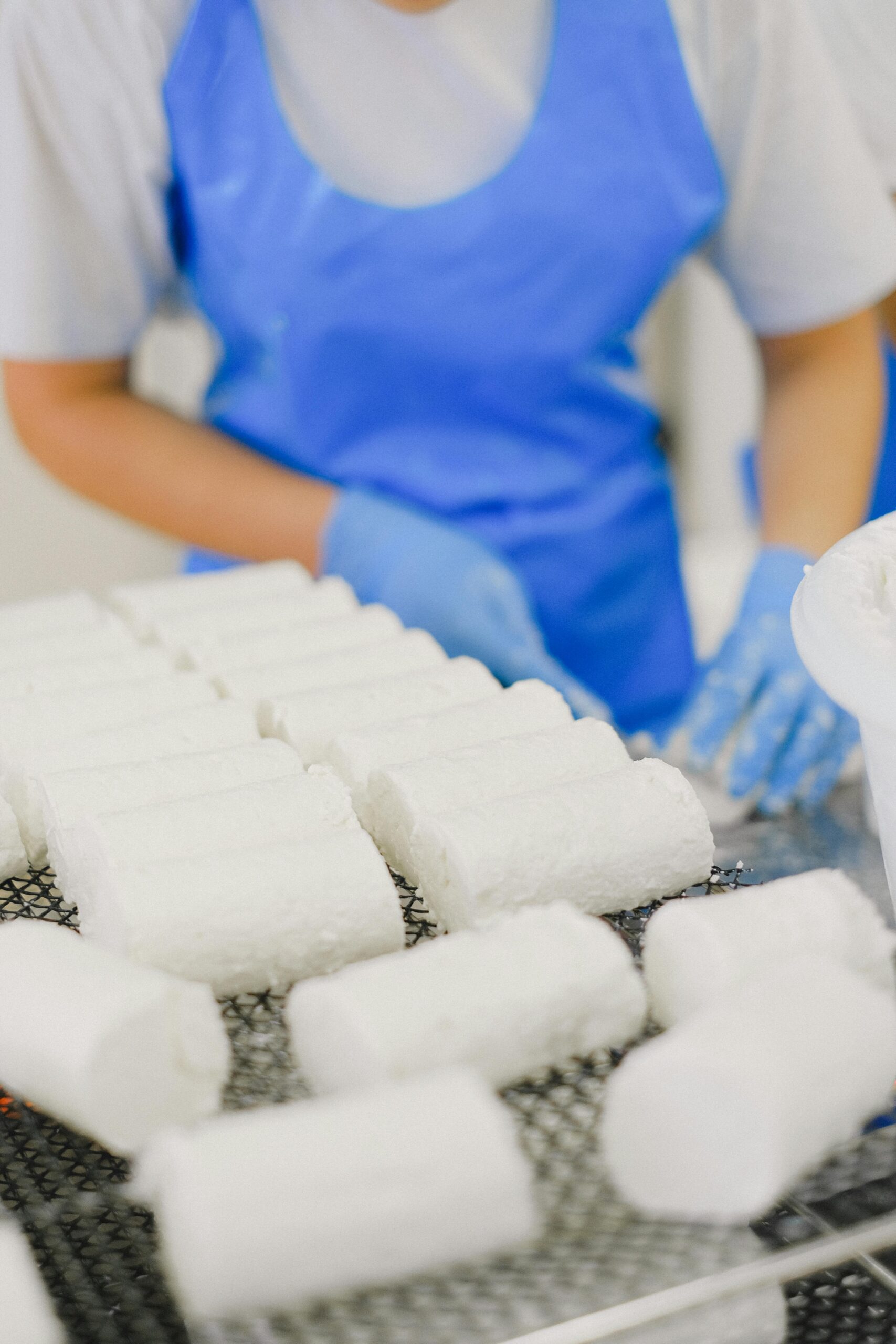
Food plant sanitation involves specialized cleaning procedures tailored to the unique challenges of food processing environments. It requires adherence to stringent protocols, including the use of approved cleaning agents and disinfectants, to prevent cross-contamination.
Innovative Cleaning Technologies
- Wet cleaning techniques: Employing moisture-based cleaning methods to thoroughly remove debris and biofilms.
- Automated cleaning systems: Integrating robotic and high-pressure systems for consistent sanitation results.
Essential Sanitation Protocols for Food Safety
Implementing HACCP in Sanitation Plans
The Hazard Analysis and Critical Control Points (HACCP) system plays a vital role in identifying sanitation risks and establishing control measures. Regular audits and staff training ensure protocols are followed effectively.
Choosing the Right Contract Sanitation Companies
Selecting reputable partners like Fayette Contract Sanitation Services, Janika, or GDI can enhance sanitation efforts through specialized expertise and advanced technology.
Best Practices for Food Processing Plant Cleaning
- Establish a cleaning schedule aligned with production cycles.
- Use approved cleaning agents that are compatible with equipment and materials.
- Train staff on proper cleaning and sanitizing procedures.
- Verify cleanliness with microbial testing and visual inspections.
Conclusion
Effective food plant sanitation and industrial cleaning are critical elements in ensuring food safety and regulatory compliance. By adopting innovative technologies, adhering to established protocols, and partnering with professional sanitation providers, food producers can achieve higher standards of cleanliness and protect consumer health.