Introduction to Industrial Sanitation and Food Plant Cleaning
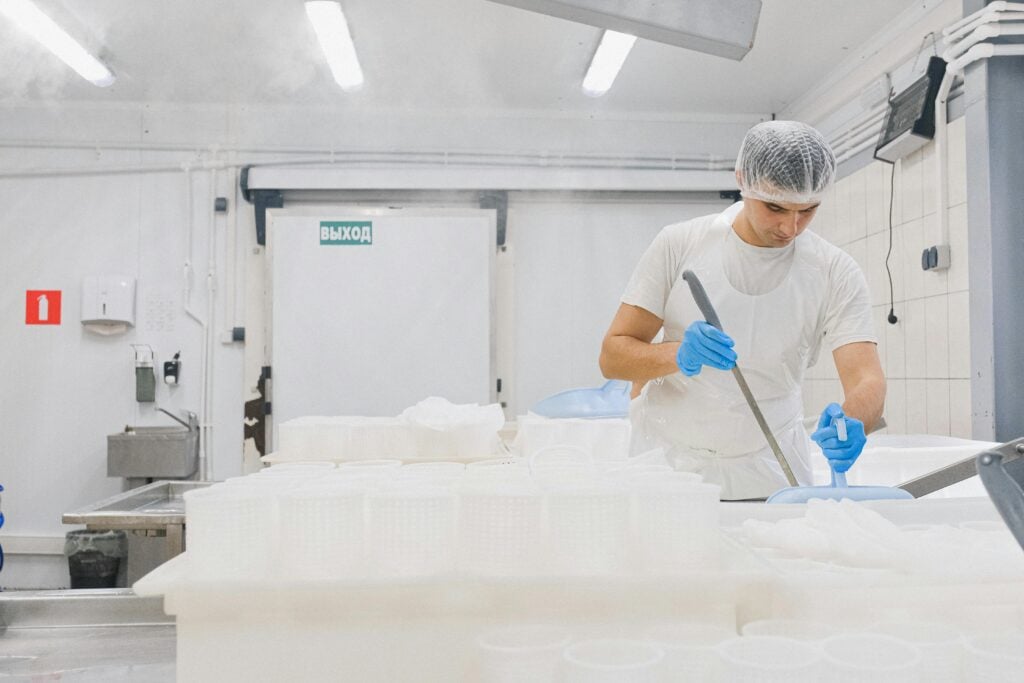
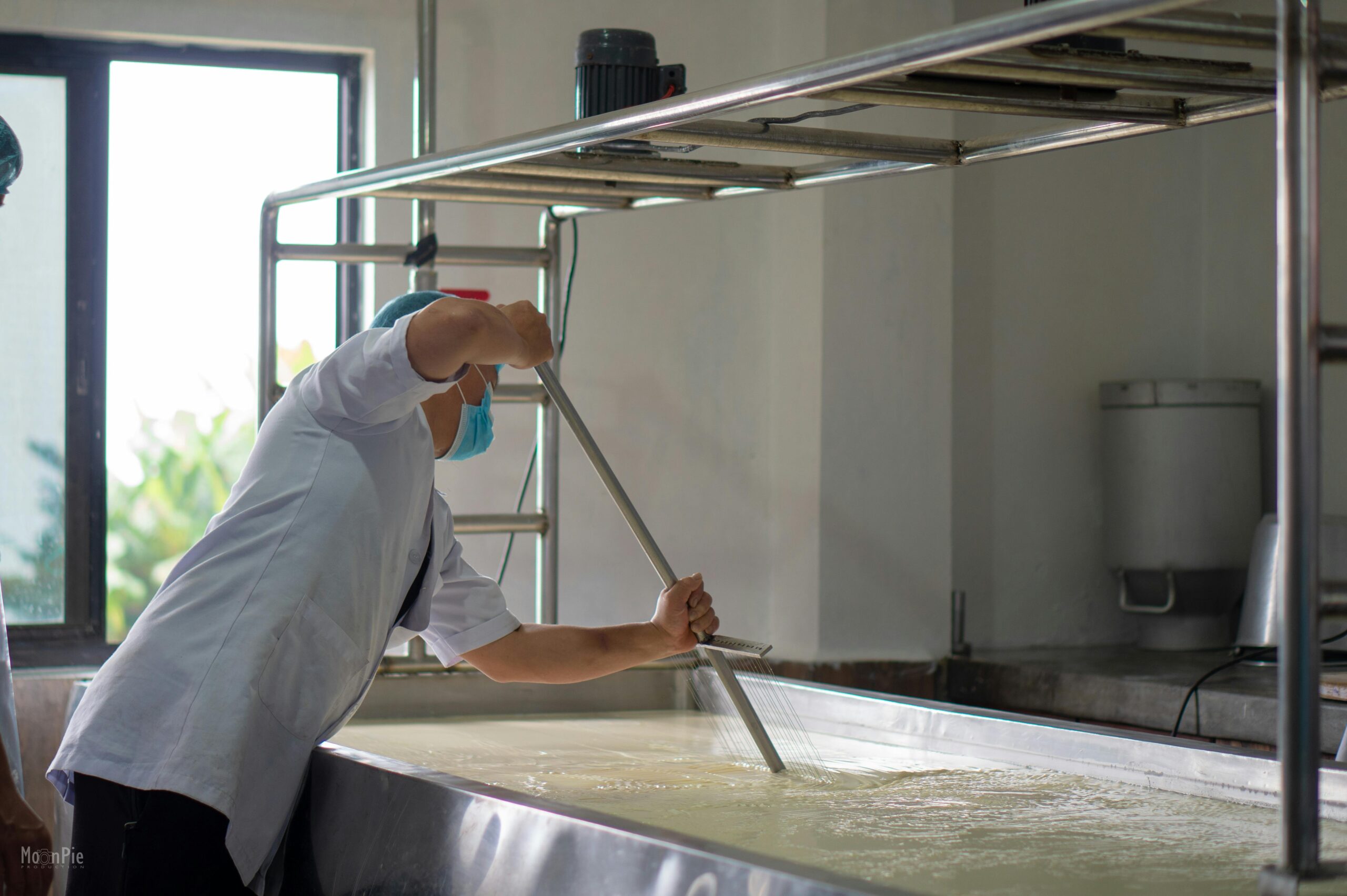
Maintaining rigorous sanitation standards in food processing facilities is crucial for ensuring food safety, complying with regulations, and protecting consumer health. In this article, we explore essential practices for industrial sanitation and food processing plant cleaning, highlighting practical strategies and key considerations for plant managers and sanitation professionals.
Understanding the Importance of Food Plant Sanitation
Effective food plant sanitation services prevent contamination, reduce the risk of foodborne illnesses, and ensure compliance with HACCP (Hazard Analysis and Critical Control Points) regulations. Sanitation is not just about cleanliness; it encompasses microbiological control, surface disinfection, and compliance with industry standards.
Key Components of Industrial Sanitation
- Cleaning and sanitizing procedures: Removing dirt, debris, and organic matter to inhibit microbial growth.
- Surface disinfection: Applying sanitizers approved for food contact surfaces.
- Equipment maintenance: Regular inspection and sterilization of processing equipment.
Best Practices for Food Processing Plant Cleaning
1. Develop a Detailed Cleaning Schedule
Establishing a comprehensive cleaning schedule ensures all areas, including hard-to-reach spots, are properly sanitized. This schedule should be aligned with production cycles and validated regularly to maintain effectiveness.
2. Use Proper Cleaning Agents and Sanitizers
Select cleaning chemicals that are FDA-approved and suitable for food contact surfaces. Proper dilution, contact time, and temperature are crucial for effective sanitation.
3. Implement Wet Cleaning Techniques
Wet cleaning involves the use of water, detergents, and sanitizers to dislodge and remove soils. It is essential for removing biofilms and preventing microbial buildup on equipment surfaces.
4. Train Staff Adequately
Regular training on cleaning protocols, safety procedures, and the importance of sanitation helps ensure consistent and effective cleaning practices.
Regulatory Compliance and Safety
Adhering to standards set by authorities such as the FDA and USDA is critical for avoiding penalties and product recalls. Regular audits and documentation of cleaning and sanitation procedures support compliance efforts.
Choosing a Food Plant Sanitation Service Provider
Partnering with a reputable sanitation service provider such as Fayette Contract Sanitation Services can help ensure your facility meets industry standards. Other dependable providers include Janitorial Companies and GDI.
Conclusion
Maintaining superior standards in industrial sanitation and food processing plant cleaning is a continuous process that requires meticulous planning, staff training, and dedication to safety and compliance. Implementing best practices and partnering with reliable sanitation providers will help secure food safety, protect your brand, and meet regulatory requirements.
For more insights on food plant sanitation, explore resources from Fayette and other industry leaders dedicated to advancing sanitation excellence in food processing facilities.