Introduction to Industrial Sanitation in Food Processing
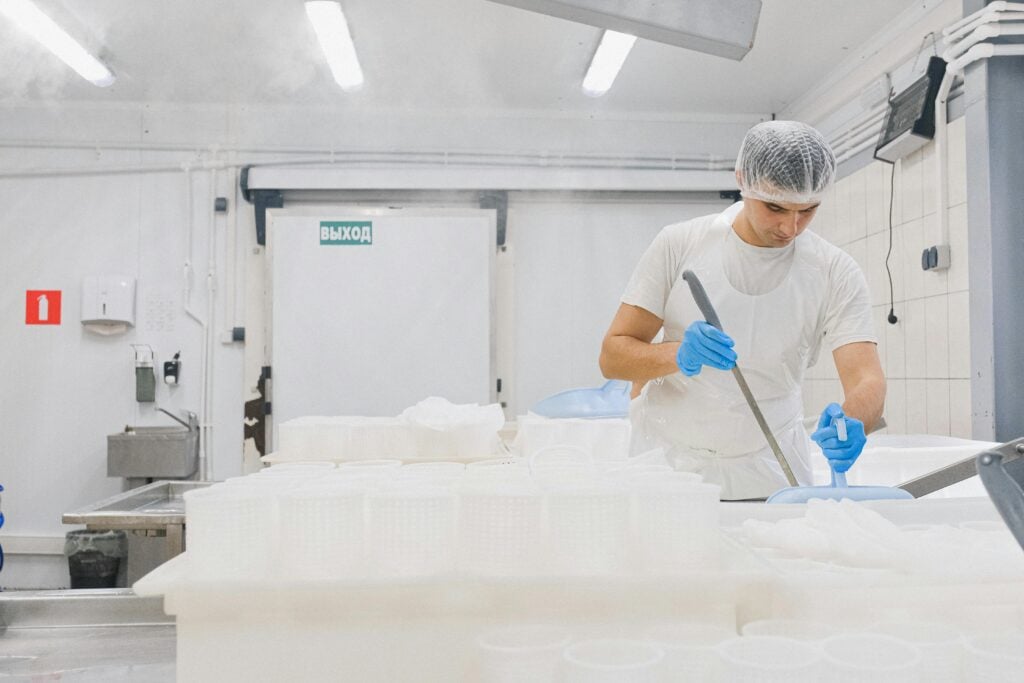
Maintaining cleanliness and safety in food processing plants is critical to ensure product integrity and compliance with industry regulations. Industrial sanitation involves a combination of meticulous cleaning, sanitizing, and disinfecting processes tailored to food industry standards.
The Importance of Proper Cleaning and Sanitization
Effective cleaning in the food industry removes visible debris, dirt, and organic matter, which can harbor harmful bacteria. Sanitization and disinfection, meanwhile, target microscopic pathogens to prevent contamination. Properly implemented sanitation procedures contribute to:
- Ensuring food safety
- Complying with food safety standards such as HACCP
- Reducing the risk of product recalls and foodborne illnesses
Best Practices for Food Plant Sanitation
Developing a Sanitation Schedule
Creating a detailed sanitation plan is essential. This plan should include:
- Frequency of cleaning and sanitizing for different equipment and surfaces
- Types of cleaning agents and disinfectants to use
- Step-by-step procedures and responsible personnel
Choosing the Right Cleaning Agents
Select cleaning and sanitizing products compatible with food contact surfaces, such as those certified for food industry use. Disinfectants should meet regulatory standards and be effective against prevalent pathogens.
Implementing Wet Cleaning Techniques
Wet cleaning, involving the use of water and detergents, effectively removes residues and biofilms. Adopting automated or high-pressure systems can improve efficiency and consistency in large-scale facilities.
Regulatory Compliance and Food Safety Programs
Adhering to food safety regulations like the HACCP system is mandatory for food processing plants. Regular audits, documentation of sanitation procedures, and staff training are crucial components of compliance. Proper sanitation not only helps in passing audits but also ensures ongoing product safety.
Choosing a Contract Sanitation Partner
Partnering with experienced Fayette Contract Sanitation Services can streamline sanitation processes and ensure adherence to industry standards. Other reputable providers include Janiking and Jan-Pro. These companies offer tailored cleaning solutions designed for food processing environments.
Conclusion
Effective sanitation in industrial food processing facilities is the backbone of food safety and regulatory compliance. By implementing best practices, selecting appropriate cleaning agents, and partnering with reputable sanitation providers, food manufacturers can safeguard their products and brand reputation.