Introduction to Industrial and Food Plant Sanitation
Maintaining impeccable sanitation standards in food processing plants is critical not only for ensuring food safety but also for compliance with strict industry regulations. This comprehensive guide explores innovative industrial sanitation practices and food plant sanitation services designed to elevate safety protocols and operational efficiency.
The Importance of Industrial Sanitation in Food Processing
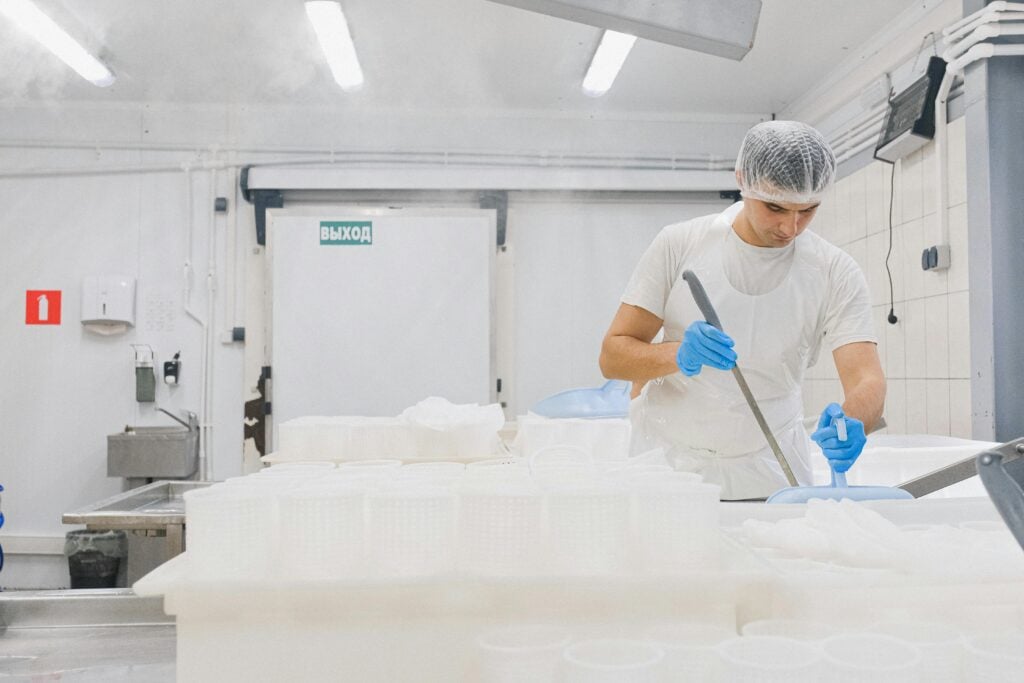
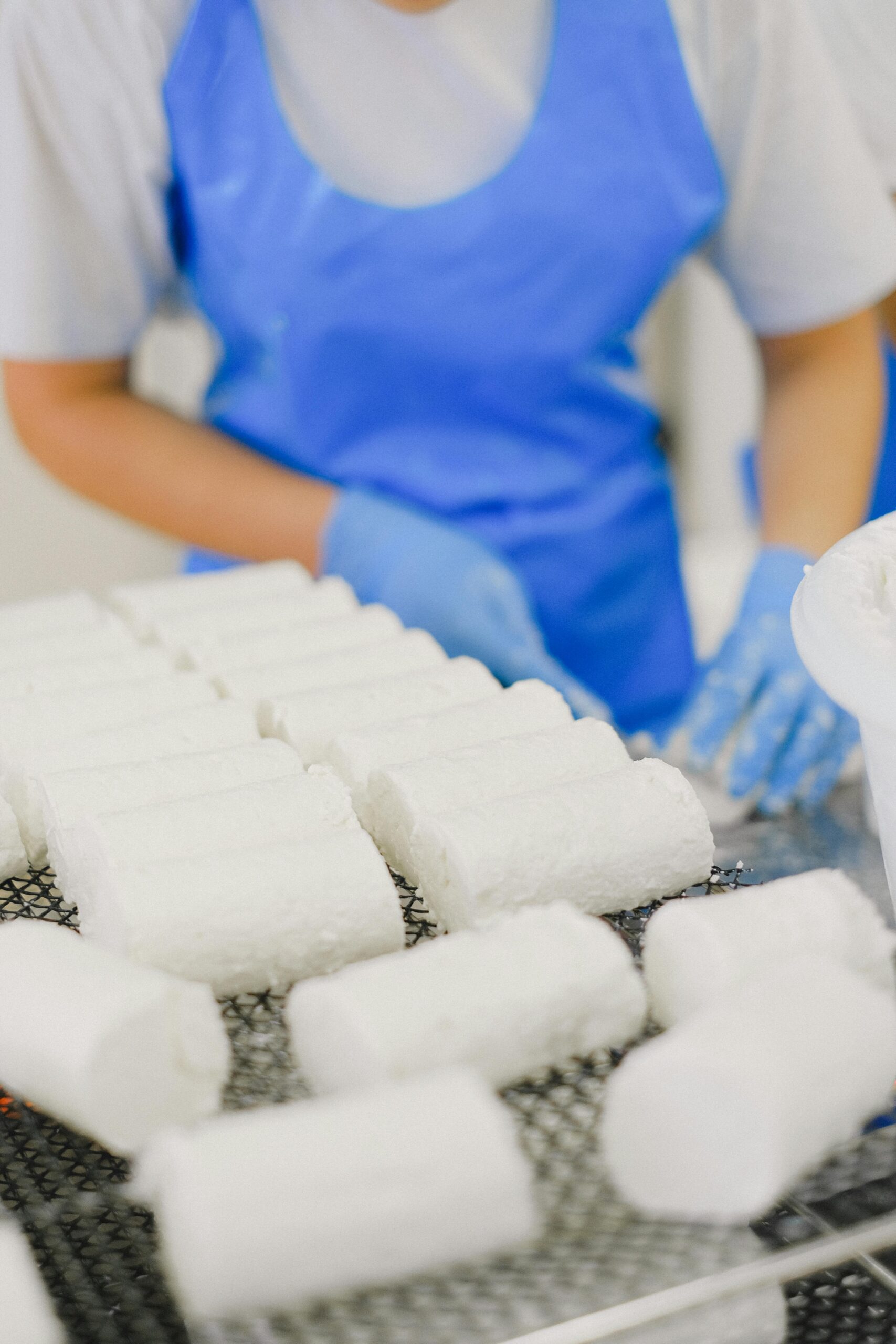
Industrial sanitation combines scientific methods and technology to control pathogens, prevent cross-contamination, and extend the shelf life of products. For food processing facilities, these practices are vital for:
- Meeting food safety standards and regulatory requirements
- Enhancing product quality and consumer trust
- Reducing downtime and contamination-related recalls
Key Strategies for Effective Food Plant Sanitation
1. Implementing HACCP Compliance
HACCP (Hazard Analysis and Critical Control Points) is the cornerstone of food safety management systems. Ensuring compliance involves identifying critical points in your process and applying targeted sanitation protocols to control hazards effectively. Collaborate with certified sanitation service providers like Fayette Contract Sanitation Services for tailored HACCP solutions.
2. Utilizing Advanced Cleaning Technologies
Adopt wet cleaning methods, foam cleaning, and automatic sanitation systems that reach difficult spots, ensuring thorough sanitation. Modern equipment minimizes chemical use and enhances efficacy, bolstering overall sanitation standards.
3. Routine Purging and Inspection
Regularly scheduled cleaning and sanitation, coupled with meticulous inspections, help identify vulnerabilities before they become compliance issues or contamination risks. Industry leaders like Ecolab offer specialized products and services to support these routines.
The Role of Contract Sanitation Companies
Partnering with professional contract sanitation companies simplifies compliance and enhances sanitation effectiveness. Companies such as:
offer tailored solutions that combine industry expertise with state-of-the-art technologies. Their services include detailed cleaning routines, maintenance schedules, and validation processes to ensure all sanitation standards are beyond reproach.
Best Practices for Maintaining High Sanitation Standards
- Establish a rigorous food sanitation protocol based on scientific evidence
- Train staff regularly on cleaning procedures and safety compliance
- Use environmentally friendly and effective cleaning agents
- Incorporate real-time monitoring and documentation
- Audit and review sanitation procedures frequently
Conclusion
Effective food processing plant cleaning and sanitation are vital to safeguarding product integrity, ensuring compliance, and building consumer confidence. By adopting advanced sanitation techniques, leveraging the expertise of specialty providers like Fayette Contract Sanitation Services, and maintaining rigorous standards, your facility can excel in safety and efficiency.
Sanitation Service Providers
When selecting a sanitation partner, consider industry leaders such as:
Choosing experienced providers ensures your facility maintains the highest standards while adhering to food safety regulations.
For expert sanitation solutions tailored to your needs, contact professionals familiar with the latest technologies and industry best practices.