Unlocking Food Safety: The Vital Role of Sanitation in the Food Industry
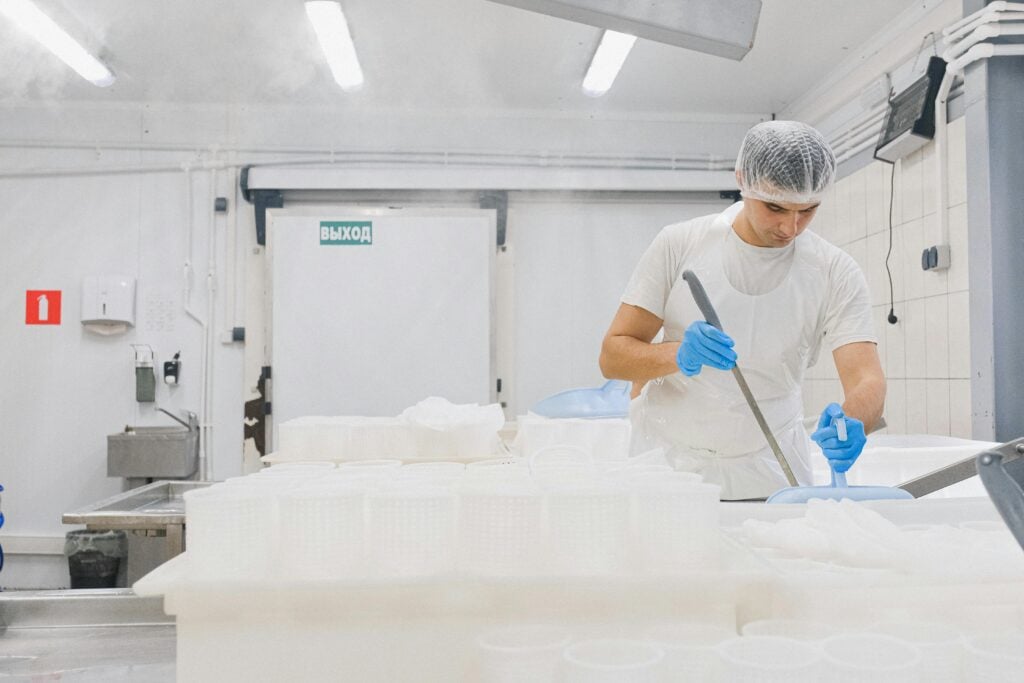
Maintaining cleanliness and sanitation in food processing plants is not just about appearance — it’s a fundamental component of food safety and compliance with regulatory standards. Industries involved in food production must implement rigorous sanitation protocols to prevent contamination and ensure consumer safety.
Understanding the Importance of Industrial Sanitation in Food Processing
Industrial sanitation encompasses cleaning and disinfecting operations specifically designed for food processing environments. These facilities are particularly vulnerable to microbial growth and cross-contamination, making strict sanitation practices essential.
Key Challenges in Food Plant Sanitation
- Removing dirt and debris effectively from complex machinery and surfaces
- Controlling microbial contamination to prevent foodborne illnesses
- Meeting food safety regulations such as HACCP standards
- Ensuring compliance without disrupting production schedules
Best Practices for Food Processing Plant Cleaning
Comprehensive Cleaning Protocols
- Use food-grade cleaning chemicals approved for use in food environments
- Implement wet cleaning procedures to remove residues and prevent microbial growth
- Follow step-by-step cleaning and sanitizing routines to ensure maximum effect
Sanitization Techniques for Food Safety
- Apply sanitization methods that reduce microbial contamination to safe levels
- Prioritize disinfection of high-touch surfaces and equipment
- Regularly train staff on proper sanitation procedures and safety protocols
HACCP Compliance and Its Role in Sanitation
Implementing a HACCP system is critical in prescriptive sanitation processes, helping to identify hazards and establish control measures. Proper sanitation directly supports HACCP compliance by controlling microbial hazards at critical points.
Choosing the Right Sanitation Service Provider
Partner with reputable companies specializing in food plant sanitation to guarantee effectiveness and compliance:
Conclusion
Effective sanitation is the backbone of a safe and compliant food processing operation. By adopting best practices in cleaning and sanitization, leveraging advanced techniques, and partnering with experienced sanitation providers, food facilities can ensure product safety and meet industry standards.