Understanding Food Plant Sanitation for Food Safety and Regulatory Compliance
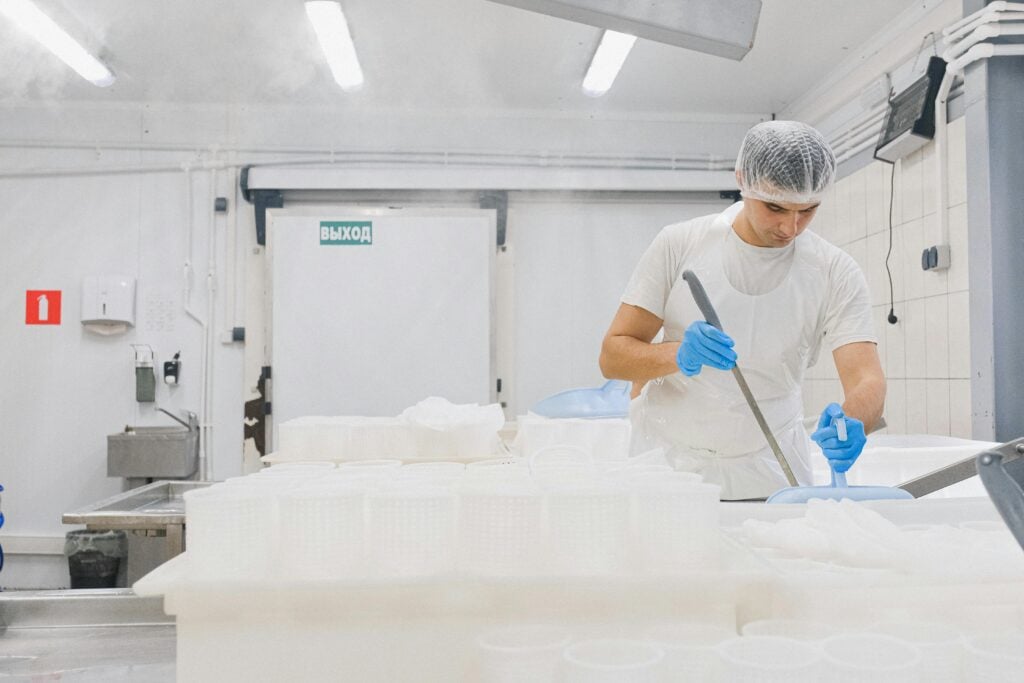
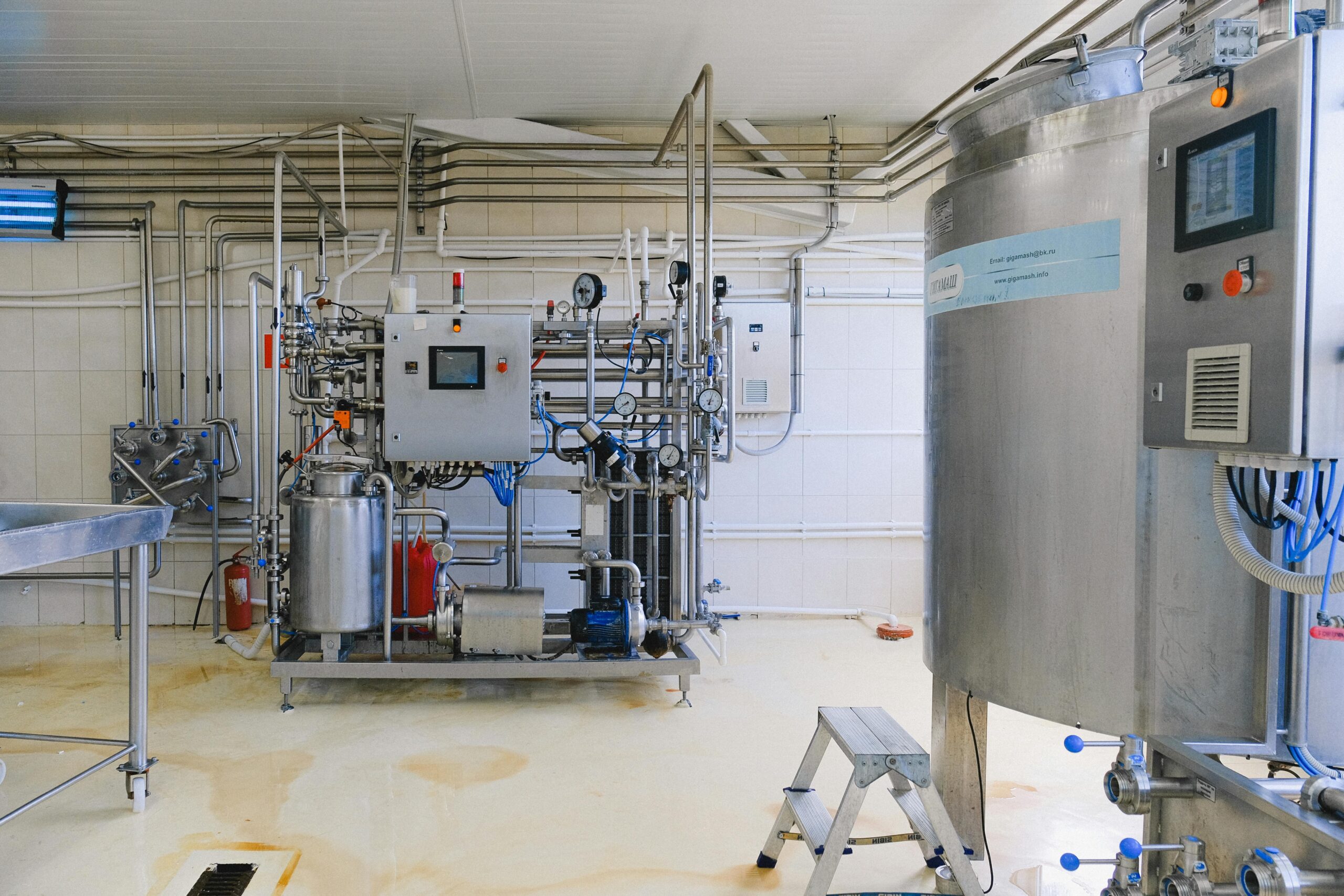
Maintaining impeccable sanitation standards in food processing facilities is essential for ensuring food safety, meeting regulatory requirements, and preventing cross-contamination. This comprehensive guide explores best practices for food plant sanitation, emphasizing practical steps that can support your operation’s compliance and hygiene standards.
Key Components of Food Plant Sanitation
Cleaning vs. Sanitizing
While often used interchangeably, cleaning and sanitizing serve different purposes in food plant sanitation:
- Cleaning: The removal of dirt, organic matter, and food residues from surfaces using detergents and mechanical action.
- Sanitizing: Reducing microbial loads on surfaces to safe levels through chemical agents or heat.
Implementing both strategies effectively is crucial for compliance with food safety standards like HACCP.
Effective Sanitation Protocols
Develop a detailed sanitation plan that includes:
- Routine cleaning schedules aligned with production cycles
- Selection of sanitized agents approved for food contact surfaces
- Use of high-pressure or wet cleaning systems for thorough decontamination
- Documentation of all sanitation activities to meet audit requirements
The Role of Compliance in Food Plant Sanitation
Compliance with regulations like the Food Safety Modernization Act (FSMA) and HACCP plans is foundational for food processing facilities. Regular audits and validation of sanitation procedures are necessary to prevent contamination and ensure consumer safety.
Choosing a Food Plant Sanitation Service Provider
Partnering with experienced sanitation service providers can greatly enhance hygiene standards. Reputable companies such as Fayette Contract Sanitation Services, Janiking, and GDI offer specialized solutions tailored to food processing plants. Their expertise helps ensure that sanitation practices adhere to industry standards and regulatory guidelines.
Implementing Best Practices for Food Industry Sanitation
Consider the following best practices to maintain optimal sanitation:
- Train sanitation staff regularly on equipment and surface cleaning techniques
- Use color-coded tools and designated areas to prevent cross-contamination
- Incorporate wet cleaning techniques for hard-to-reach surfaces
- Validate sanitation procedures through microbial testing
- Maintain comprehensive sanitation records for traceability and audits
Conclusion
Effective sanitation is vital for operational success and compliance in the food processing industry. Regularly evaluating and updating sanitation protocols, coupled with quality service providers, can help secure the safety and integrity of your food products. For tailored sanitation solutions, consider partnering with trusted providers such as Fayette Contract Sanitation Services, ensuring your facility meets the highest industry standards.