Introduction to Food Plant Sanitation and Industry Standards
Maintaining optimal sanitation in food processing plants is crucial for ensuring food safety, meeting regulatory compliance, and preventing contamination. Proper sanitation practices are a core component of food safety management and are mandated by various industry standards such as HACCP (Hazard Analysis and Critical Control Points).
The Importance of Food Plant Sanitation Services
Effective sanitation in food processing facilities involves thorough cleaning, disinfection, and sterilization to eliminate dirt, debris, and microbial pathogens. This helps to:
- Prevent cross-contamination and bacterial growth
- Maintain product quality and safety
- Comply with federal and state food safety regulations
- Reduce downtime due to sanitation-related inspections
Key Components of Food Plant Sanitation
Cleaning in Food Industry
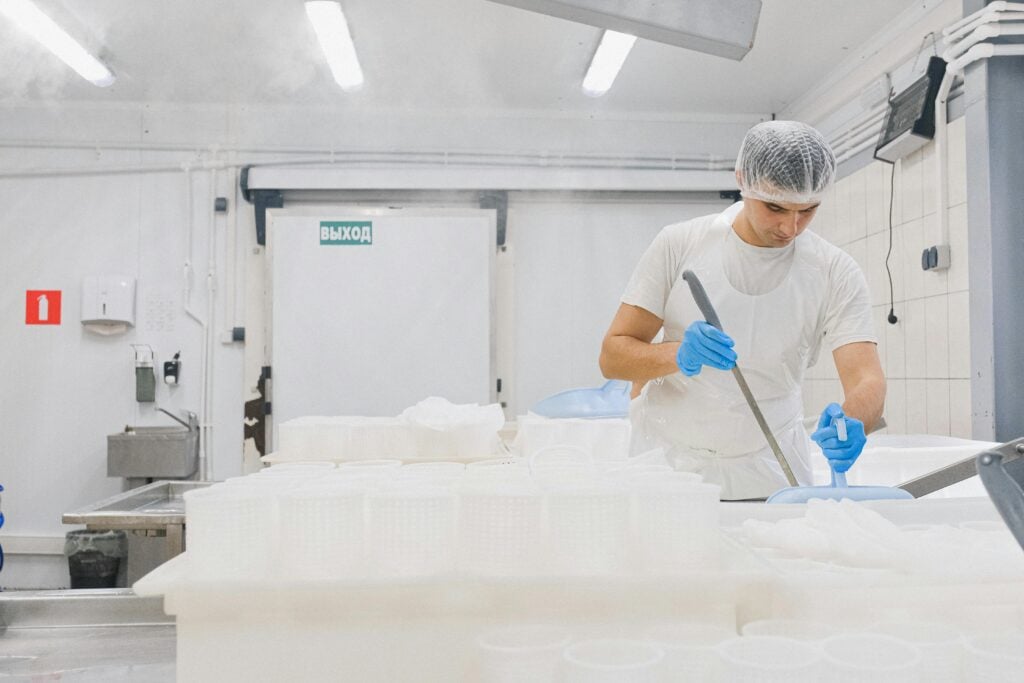
Cleaning involves the physical removal of food residues, dirt, and grease from surfaces, equipment, and utensils. Proper cleaning methods include:
- Wet cleaning with appropriate detergents
- Use of approved cleaning agents to avoid chemical contamination
- Regular schedules aligned with production cycles
Disinfection and Sanitization
Disinfection involves employing chemical agents or heat to reduce microbial loads on cleaned surfaces. It’s essential for preventing pathogenic bacteria and ensuring food safety. Techniques include:
- Use of EPA-registered disinfectants
- Hot water sanitization
- Proper contact time and application methods
Selecting a Food Plant Sanitation Service Provider
Choosing a reliable sanitation service provider is fundamental. Consider companies such as:
These companies offer tailored cleaning and sanitation solutions designed to meet strict industry standards while helping facilities maintain compliance and ensure consumer safety.
Best Practices for Effective Sanitation
Training and Compliance
Staff training on sanitation procedures, proper use of cleaning chemicals, and personal hygiene are vital for effective sanitation. Documentation of sanitation processes also supports compliance audits.
Monitoring and Verification
Regular microbial testing, visual inspections, and record-keeping are fundamental to verify sanitation efficacy and fulfill HACCP requirements.
Conclusion
Investing in professional food plant sanitation services not only safeguards food safety but also ensures compliance with industry standards. Establishing rigorous sanitation routines, partnered with reputable service providers, is a proactive approach to maintain high-quality food production environments.