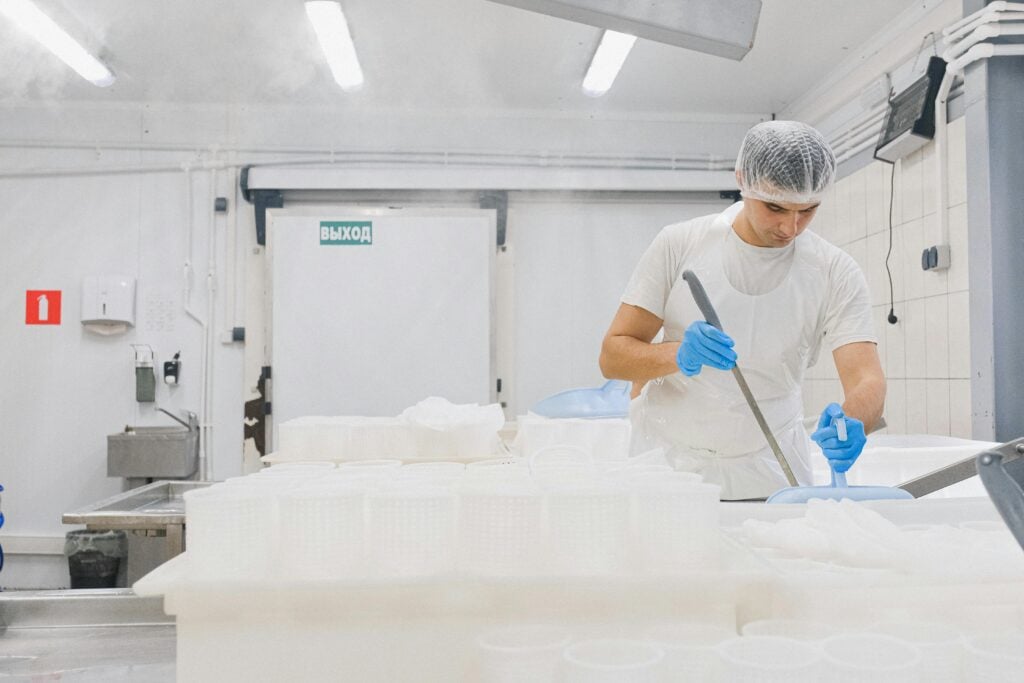

Maintaining impeccable food processing plant cleaning standards is essential for ensuring food safety and staying compliant with industry regulations. Proper sanitation not only protects consumers but also helps food manufacturers avoid costly recalls and legal issues. In this article, we explore key strategies for effective food plant sanitation services and how they contribute to a safer food supply chain.
Understanding the Importance of Food Plant Sanitation
Sanitation in food processing environments is a systematic process that involves cleaning and disinfecting surfaces, equipment, and facilities to eliminate contaminants. It’s critical for:
- Preventing microbial growth and cross-contamination
- Complying with regulatory standards such as FSMA and HACCP
- Maintaining product quality and shelf life
Key Components of Effective Food Processing Plant Cleaning
1. Establish Clear Protocols
Develop detailed cleaning procedures tailored to different areas of the plant, including production lines, storage areas, and equipment. Protocols should specify cleaning agents, methods, and frequencies.
2. Use Industry-Approved Cleaning Agents
Select disinfectants and cleaning chemicals that are approved for food contact surfaces. This ensures safety and effectiveness in pathogen reduction.
3. Training and Certification
Ensure cleaning staff are well-trained in sanitation procedures and understand the importance of compliance.
Best Practices for Food Industry Sanitation
- Wet Cleaning: Utilizing moisture-based cleaning methods effectively reduces residues and microbial load.
- Regular Audits: Conduct routine inspections to verify adherence to sanitation standards.
- Documentation: Keep detailed records of cleaning activities to demonstrate compliance and identify areas for improvement.
Choosing the Right Contract Sanitation Companies
Partnering with reputable contract sanitation companies like Fayette Contract Sanitation Services ensures professional cleaning that meets industry standards. Other trusted providers include Janiking and Jan-Pro.
Regulatory Compliance and Food Safety Certifications
Adhering to HACCP system requirements and other food safety certifications is vital. These programs verify that sanitation practices effectively control hazards and promote safe food production.
Conclusion
Effective sanitation in food processing plants is a cornerstone of food safety and regulatory compliance. Implementing structured cleaning protocols, selecting proper cleaning agents, and partnering with experienced sanitation providers helps ensure your facility remains compliant and produces safe, high-quality food products.
For dependable Fayette Contract Sanitation Services and other trusted partners, maintain a proactive approach to sanitation and safety standards. This commitment not only sustains compliance but also builds trust with consumers and regulators alike.