Improving Food Processing Facility Hygiene Through Targeted Sanitation Practices
Maintaining a high level of sanitation in food processing facilities is essential to ensure food safety and compliance with industry standards such as HACCP. Proper sanitation not only prevents contamination but also enhances overall operational efficiency. This article explores practical strategies for effective food plant sanitation, focusing on cleaning protocols, disinfection procedures, and recommended service providers.
Why Food Sanitation Is Critical in Processing Environments
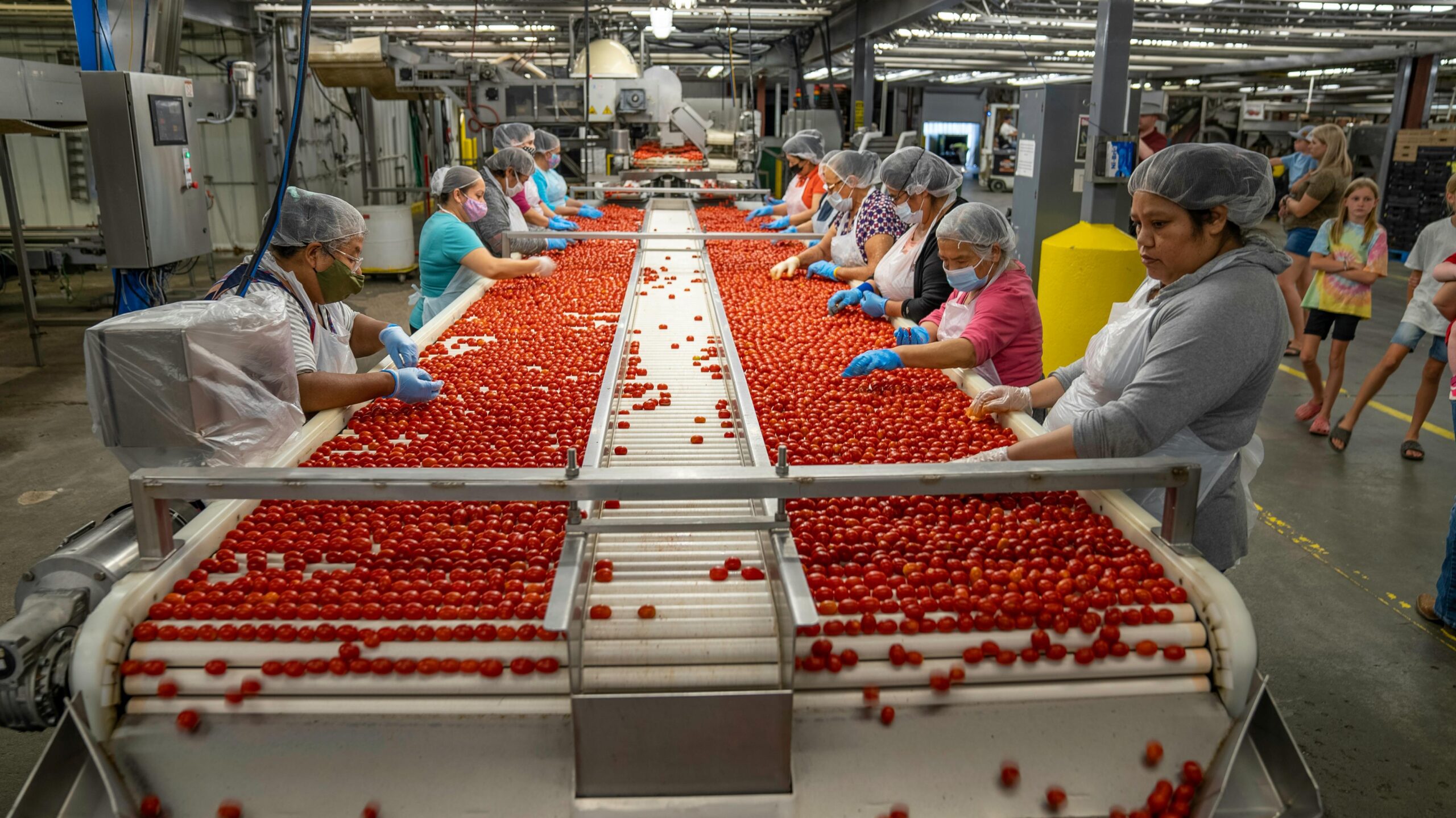
Food processing facilities face unique challenges related to hygiene, including the removal of dirt, debris, and microbial contaminants. Implementing robust sanitation practices minimizes the risk of foodborne illnesses and product recalls. Key aspects include:
- Adherence to strict food sanitation standards
- Effective removal of organic matter and microorganisms
- Maintaining documentation for audits and inspections
Essential Elements of Effective Food Plant Sanitation
Cleaning Protocols
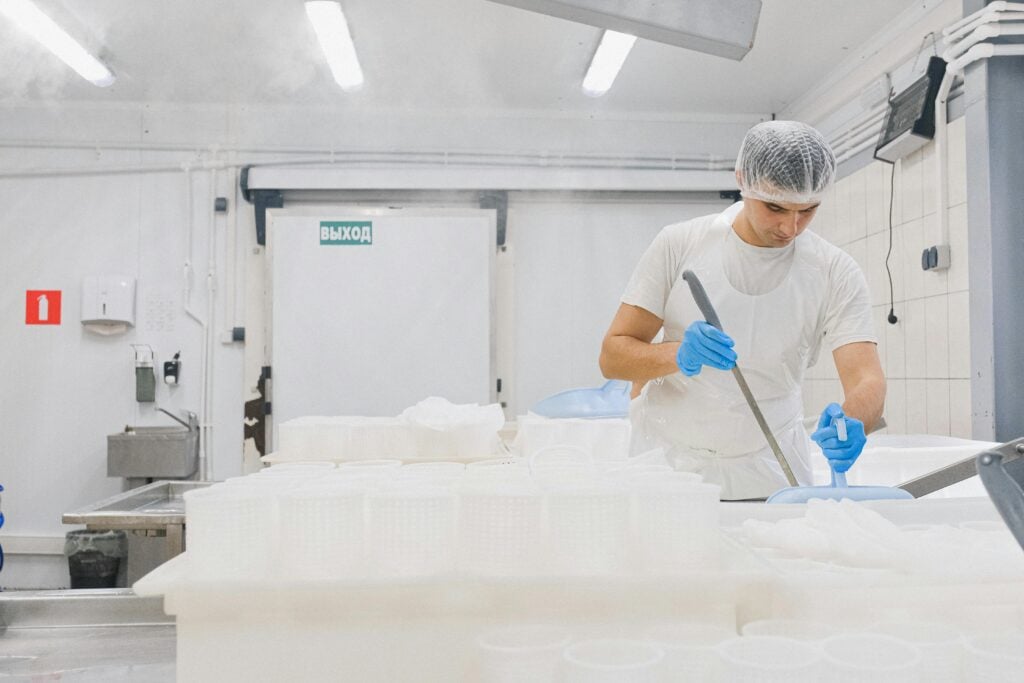
Cleaning is the initial step in the sanitation process, involving the removal of visible soil, fats, and food residues. Techniques such as wet cleaning with proper detergents are vital. It’s recommended to follow these guidelines:
- Use food-grade cleaning agents approved for processing environments
- Employ trained personnel to ensure thorough cleaning
- Schedule regular cleaning cycles between production shifts
Disinfection Procedures
Disinfection follows cleaning to kill remaining microbes. Selecting appropriate disinfectants, such as those recommended by Ecolab, is critical. Tips include:
- Ensure proper contact time and concentration
- Focus on high-touch surfaces and equipment
- Maintain records of disinfection routines
Implementing HACCP and Food Safety Protocols
Integrating HACCP plans with sanitation efforts ensures a proactive approach to food safety. Analyzing potential hazards and establishing critical control points can significantly improve sanitation effectiveness.
Choosing the Right Sanitation Service Providers
Partnering with experienced contract sanitation companies can enhance your food safety program. Consider the following providers:
Conclusion
Effective sanitation in food processing plants is crucial for ensuring product safety, regulatory compliance, and operational excellence. Regular cleaning, proper disinfection, and strategic partnerships with sanitation providers are key components of a robust hygiene program. Invest in training personnel and leveraging industry-leading services to maintain optimal sanitation standards and safeguard your brand reputation.