Introduction to Food Processing Plant Sanitation and Food Safety
Maintaining food plant sanitation is a critical component of food safety that directly impacts the health of consumers and the reputation of food production facilities. Proper sanitation practices are necessary to prevent microbial contamination, comply with regulatory standards, and ensure that food products are safe for consumption.
Why Food Plant Sanitation is Non-Negotiable
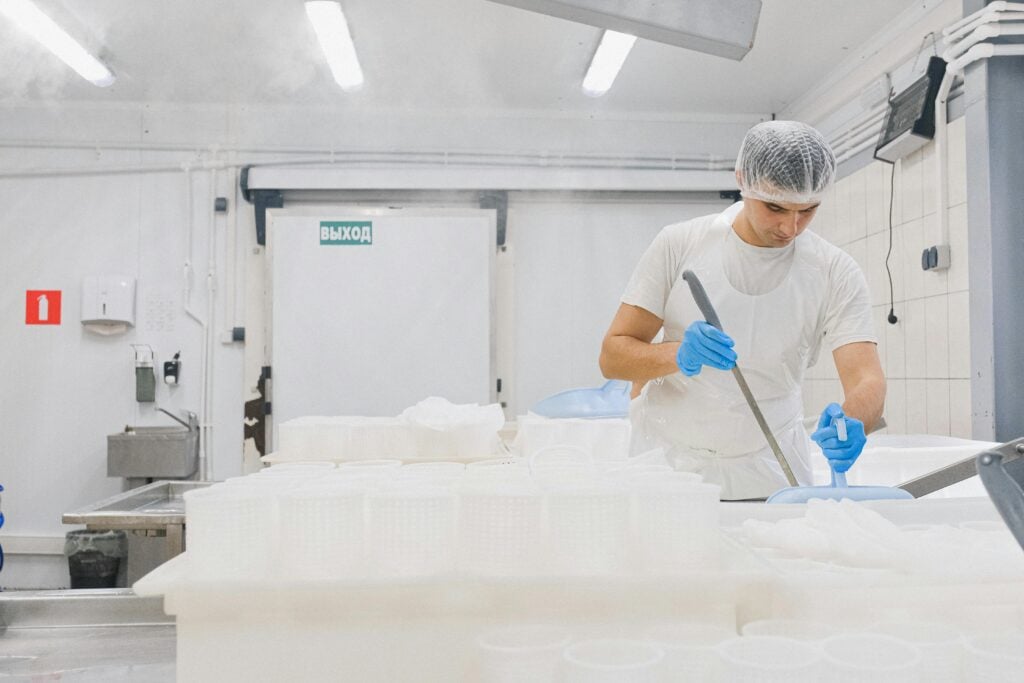
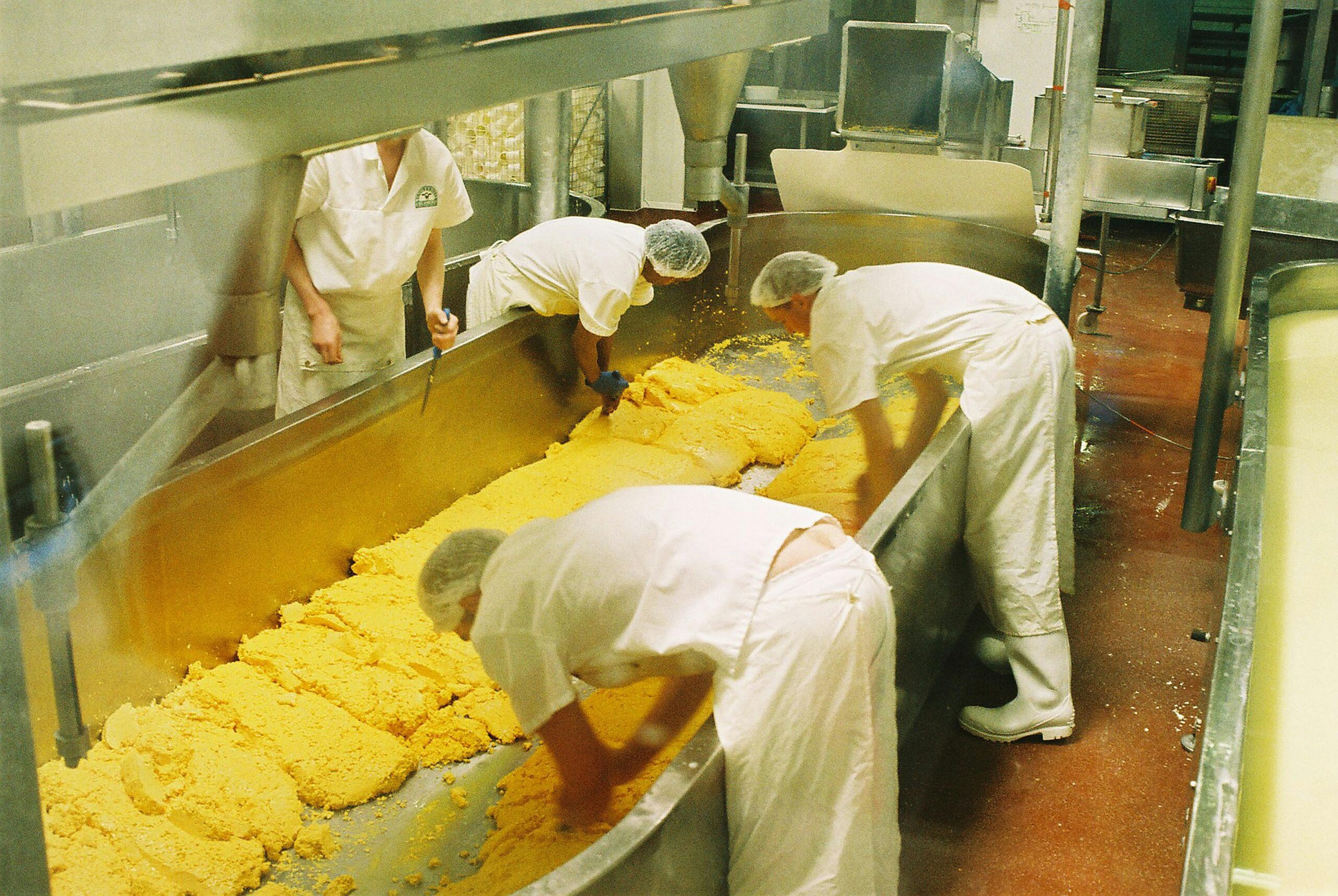
Food processing plants handle raw ingredients and produce consumables under stringent hygiene protocols. Failures in sanitation can lead to bacterial contamination, cross-contact, and ultimately, foodborne illnesses. Regular cleaning and sanitizing are vital to:
- Prevent pathogen build-up, such as Salmonella or Listeria
- Meet HACCP (Hazard Analysis and Critical Control Points) requirements
- Maintain product integrity and shelf life
- Comply with industry regulations and customer expectations
Best Practices in Food Processing Plant Cleaning and Sanitization
1. Develop a Robust Sanitation Program
Implement a detailed sanitation schedule that includes cleaning protocols for all equipment, surfaces, and sanitation of floors, walls, and drains. Use food-grade cleaning agents suitable for the specific needs of your facility.
2. Focus on Critical Control Points (CCPs)
Identify and prioritize cleaning at CCPs identified through your HACCP plan. These are the areas where contamination risks are highest, such as meat cutters, conveyor belts, and packaging stations.
3. Use Proper Cleaning and Disinfecting Solutions
Choose effective disinfectants approved for food facilities, and ensure they are applied at the correct concentrations and contact times. Fayette Contract Sanitation Services recommends using EPA-registered disinfectants for optimal outcomes.
4. Train Employees in Sanitation Procedures
Ongoing training ensures that staff understand the importance of sanitation, proper cleaning techniques, and use of cleaning agents. This reduces errors and enhances food safety performance.
5. Conduct Routine Microbiological Testing
Regular testing of surfaces and products helps verify the effectiveness of your sanitation protocols and enables timely corrective actions.
Technology and Equipment for Effective Sanitation
Invest in advanced cleaning technology such as foam sanitation systems, automated scrubbers, and wet cleaning methods that improve efficiency and efficacy. These solutions reduce manual labor and ensure thorough cleaning of hard-to-reach areas.
Partnering with Sanitation Service Providers
Entrusting sanitation to experienced providers can ensure consistent compliance with industry standards. It’s advisable to collaborate with services like GDI, Ecolab, or Pro Cleaning Solutions for professional support tailored to food industry requirements.
Conclusion
Effective food processing plant cleaning and sanitation are cornerstones of food safety. Embracing best practices, leveraging technology, and partnering with established sanitation providers like Fayette Contract Sanitation Services can help food manufacturers uphold safety standards and deliver high-quality products to consumers.