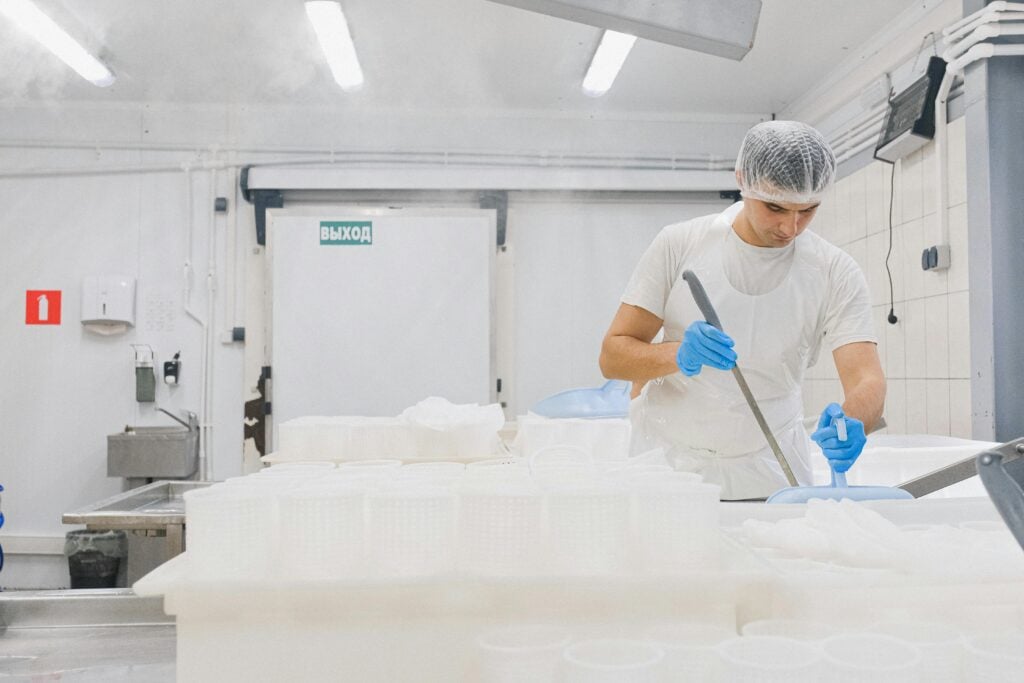
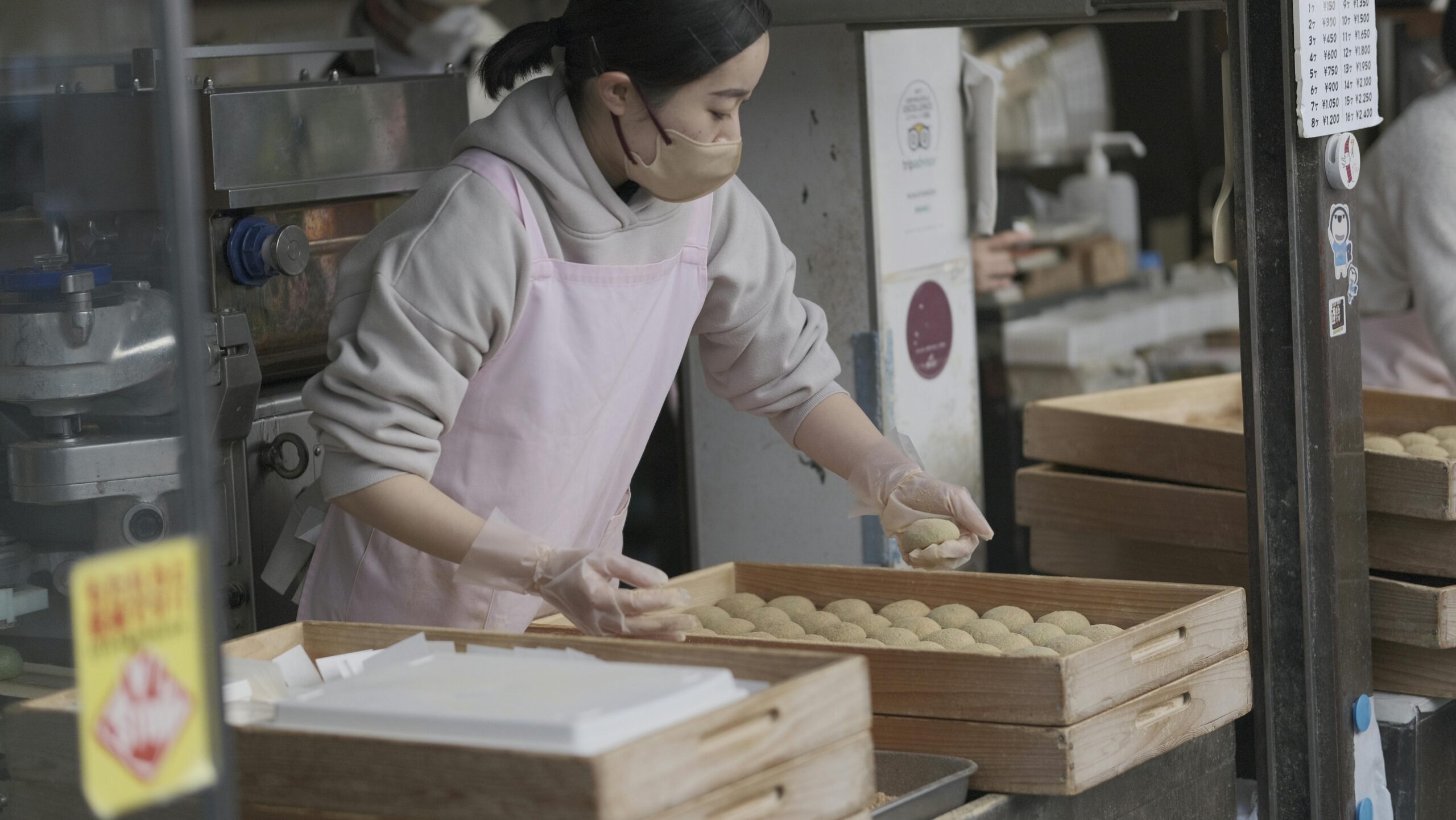
Maintaining the cleanliness and sanitation of food processing facilities is essential for ensuring food safety, adhering to industry regulations, and protecting public health. Companies involved in food manufacturing and processing must implement robust sanitation protocols to prevent cross-contamination and microbial growth. This article explores key approaches to food plant sanitation, compliance with hygiene standards, and the importance of specialized cleaning services.
Understanding Food Plant Sanitation
Food plant sanitation involves systematic cleaning and disinfecting of all surfaces, equipment, and facilities to eliminate harmful microorganisms. This process is critical for maintaining compliance with FDA regulations and ensuring the safety of the end product. Sanitation practices must be documented and validated as part of a comprehensive HACCP (Hazard Analysis Critical Control Point) system.
Key Components of Food Industry Sanitation
- Surface Cleaning: Removal of dirt, debris, and food residues with wet cleaning methods.
- Disinfection: Use of approved agents to kill bacteria, viruses, and other pathogens.
- Equipment Sanitization: Regular sanitation of machinery to prevent microbial transfer.
- Facility Hygiene: Proper maintenance of floors, walls, and drain systems.
Best Practices for Food Plant Sanitization
Implementing effective sanitization protocols requires a combination of trained personnel, suitable cleaning agents, and regular audit procedures. Here are some strategic insights:
- Adopt Wet Cleaning Techniques: Wet cleaning helps remove stubborn residues and minimizes dust accumulation. Properly managing water and chemical applications is vital to avoid facility damage.
- Utilize Approved Sanitation Agents: Use microbiologically safe disinfectants compatible with food contact surfaces, and follow manufacturer instructions.
- Develop a Sanitation Schedule: Regular cleaning cycles aligned with production schedules sustain hygiene standards and prevent lapses.
- Training and Certification: Ensure staff is knowledgeable about sanitation procedures and document compliance for audits.
Choosing a Sanitation Service Provider
Outsourcing sanitation to specialized companies can streamline operations and provide access to advanced cleaning technologies. When selecting a provider, consider companies such as Fayette Contract Sanitation Services, Janiking, and Hydrite. These firms offer tailored solutions designed to meet strict industry sanitation standards and compliance requirements.
Final Thoughts on Food Sanitation Efficiency
Achieving high standards of sanitation in food processing plants requires diligence, proper equipment, and reliable service providers. Regular review of sanitation protocols, employee training, and the use of advanced cleaning technologies contribute to food safety and regulatory adherence. Remember, effective sanitation not only protects consumers but also sustains your brand reputation.