Introduction to Sanitization in Food Processing
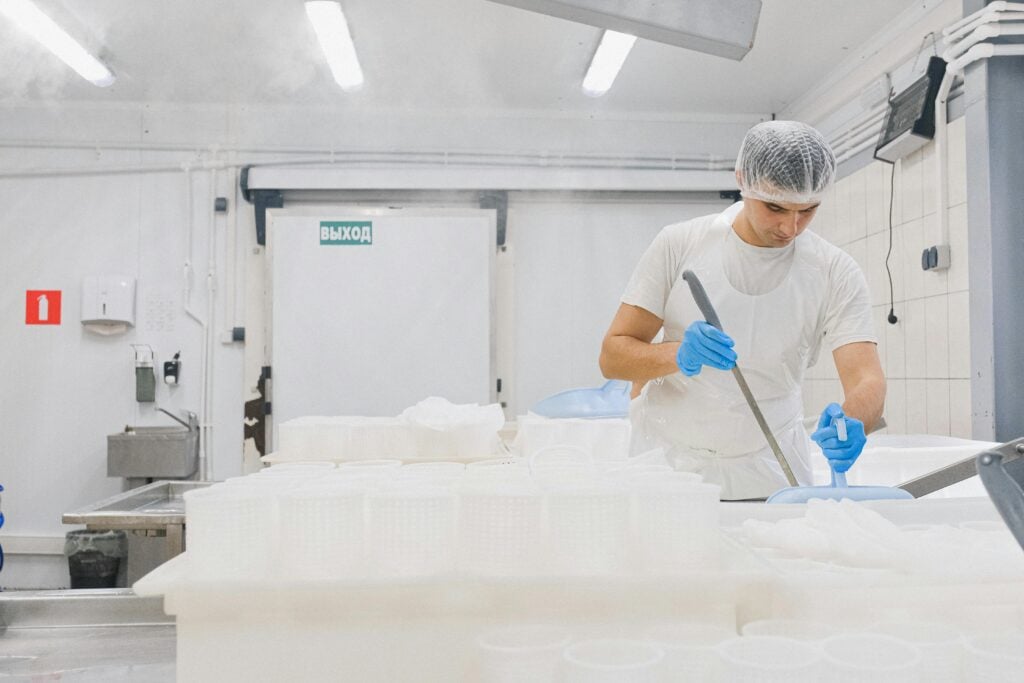
Maintaining high standards of food plant sanitation is crucial for ensuring food safety and meeting industry compliance measures. The process of sanitization involves reducing microbial presence to safe levels, preventing contamination, and preserving product integrity.
Understanding Key Industry Regulations and Standards
HACCP System and Compliance
The Hazard Analysis and Critical Control Point (HACCP) system is integral for food industry sanitation, ensuring safety during processing. Proper implementation of HACCP helps identify potential hazards and establish control measures that align with industry standards.
Industry Best Practices
- Adopt wet cleaning techniques for effective removal of residues and microbial contamination.
- Regular cleaning in food industry schedules are essential for compliance and product safety.
- Use of approved sanitizers to prevent microbial growth without compromising food quality.
Effective Sanitation Practices in Food Processing Plants
Cleaning vs. Sanitizing
Understanding the difference between cleaning and sanitizing is vital. Cleaning removes physical dirt and debris, while sanitizing significantly reduces microorganisms to safe levels.
Steps for Proper Sanitation
- Pre-clean surfaces using water and detergents.
- Apply approved sanitizers following manufacturer guidelines.
- Ensure proper contact time and rinsing procedures.
- Regular monitoring and documentation to comply with HACCP guidelines.
Choosing the Right Sanitation Service Provider
Partnering with experienced sanitation providers can ensure your facility adheres to safety standards and maintains cleanliness. Consider contractors like Fayette Contract Sanitation Services, Janitorial King, and Hydrite to support your sanitation needs.
Conclusion
Implementing effective sanitation protocols in food processing facilities is essential for food safety, regulatory compliance, and protecting brand reputation. Regular training, adherence to industry standards, and choosing the right sanitation partners are key factors for success.