Introduction to Industrial and Food Plant Sanitation
Effective sanitation in industrial and food processing facilities is essential to ensure food safety and compliance with strict government regulations. Proper cleaning and sanitization not only prevent cross-contamination but also promote a hygienic environment that safeguards consumer health.
Understanding Food Plant Sanitation Services
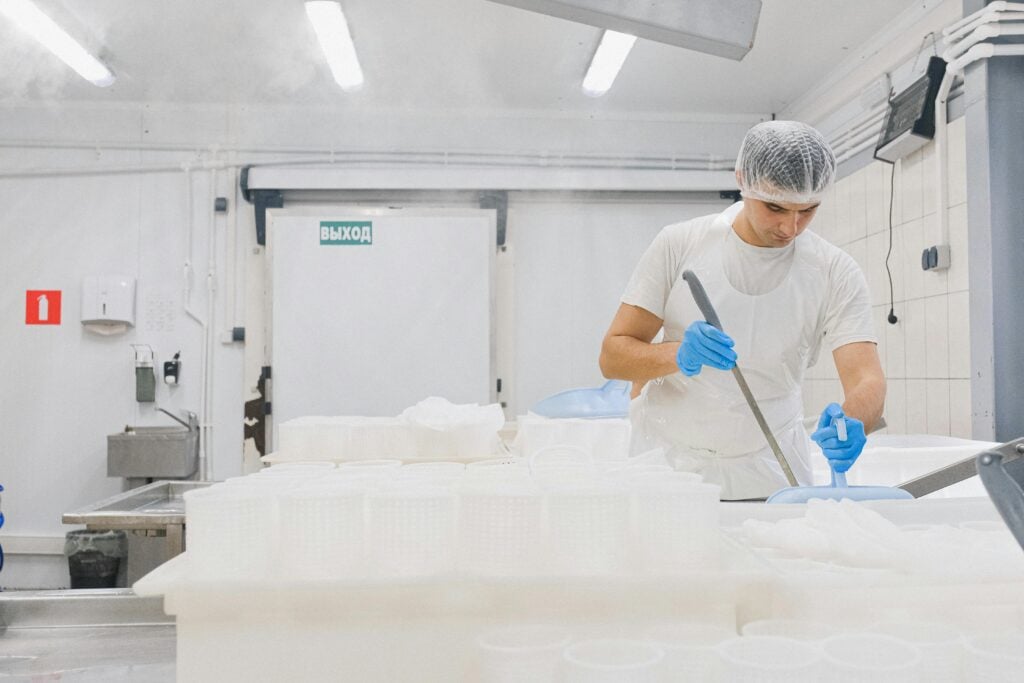
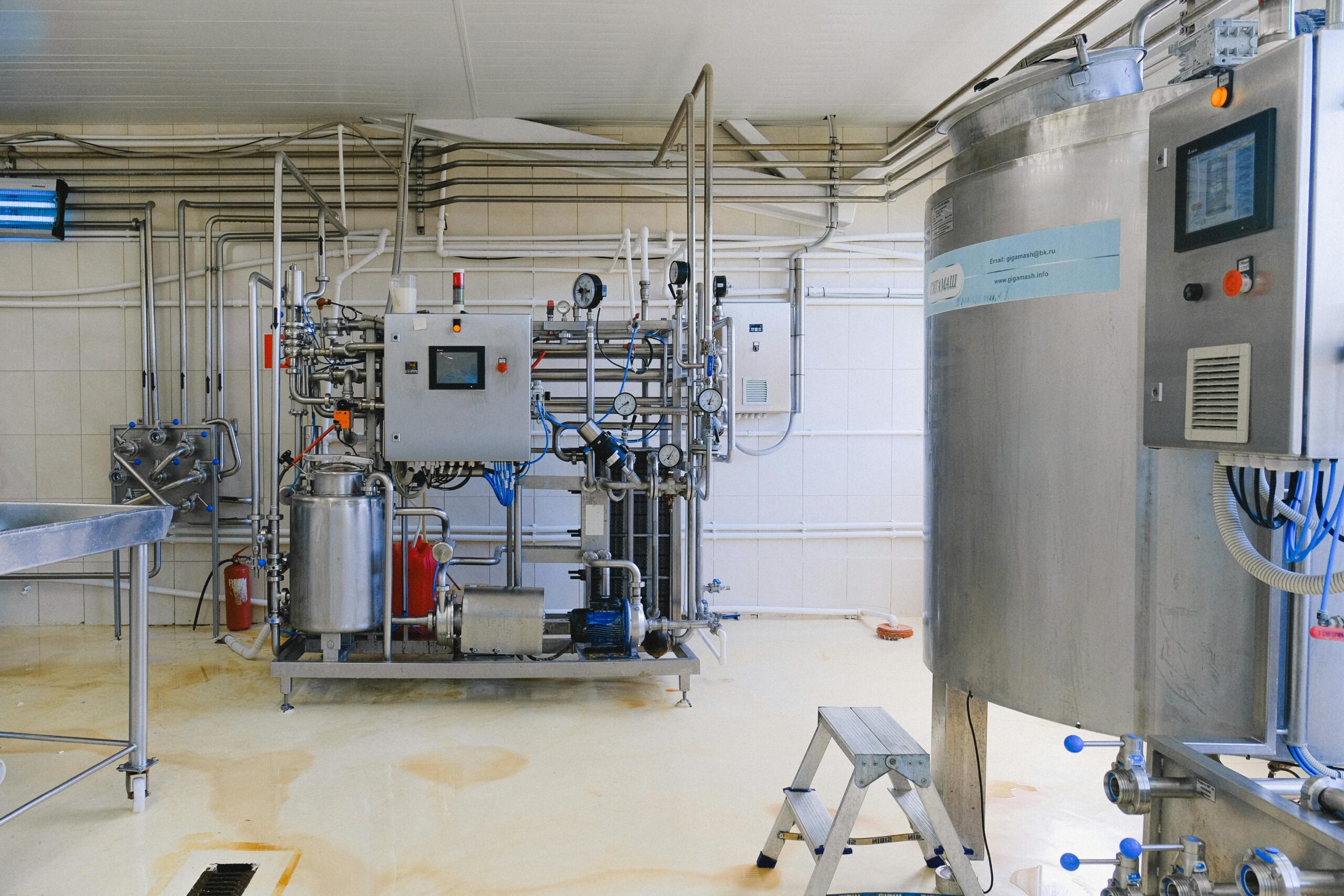
Food plant sanitation encompasses specialized cleaning procedures tailored to the unique challenges of food processing environments. These include handling dirt and debris, preventing microbial growth, and maintaining the integrity of equipment and surfaces.
Key Sanitation Strategies for Food Processing Facilities
Regular Cleaning Protocols
- Use of approved cleaning agents that are food-grade safe
- Routine removal of food residues and organic matter
- Scheduled deep cleaning of machinery and hard-to-reach areas
Effective Sanitization Practices
- Application of sanitizers proven to reduce microbial counts
- Ensuring proper contact time and concentration
- Utilization of wet cleaning and other innovative techniques
Maintaining Regulatory Compliance
Successful sanitation programs hinge on adherence to HACCP systems and local food safety standards. Regular audits and documentation support ongoing compliance efforts. Collaborating with experienced sanitation service providers can streamline these processes and reduce risks.
Choosing the Right Sanitation Service Provider
When selecting a partner, consider companies with proven track records in food industry sanitation, such as Fayette Contract Sanitation Services. Additional reputable providers include Janiking and Jan-Pro.
Conclusion
Investing in professional food plant sanitation not only promotes a cleaner environment but also helps meet stringent food safety requirements. Routine cleaning and sanitization, combined with strategic collaboration with experienced service providers, are fundamental to maintaining compliant and hygienic food processing operations.