
Introduction to Food Plant Sanitation and Safety
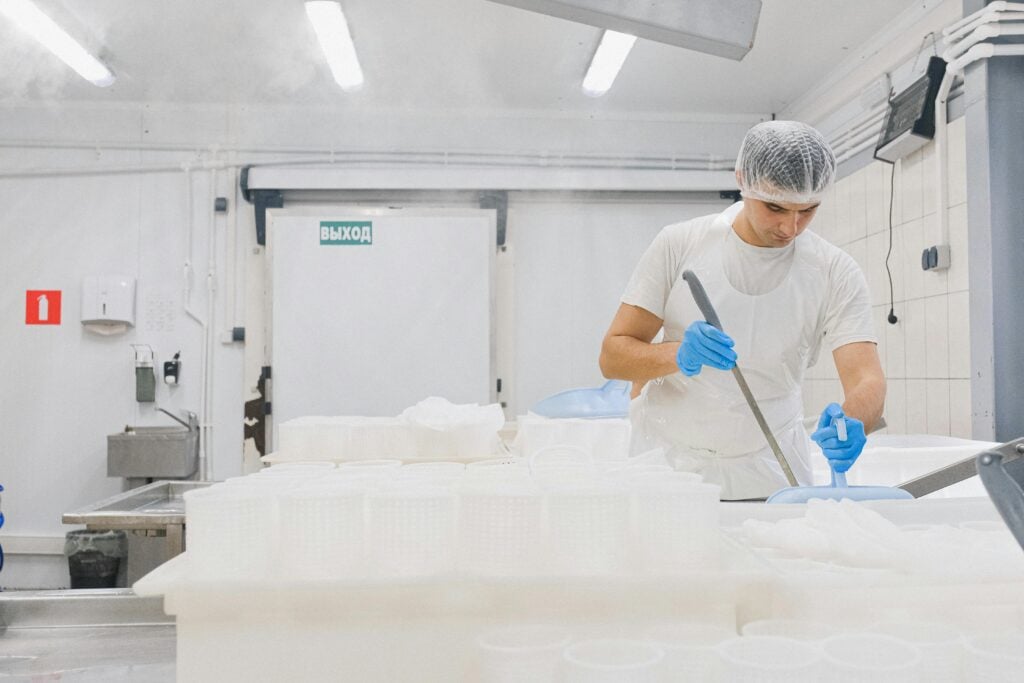
Maintaining optimal sanitation in food processing facilities is essential to ensure food safety, regulatory compliance, and operational efficiency. Proper sanitation not only prevents contamination but also extends the lifespan of equipment and protects brand integrity.
Understanding the Importance of Sanitation in Food Processing
The cleaning and sanitation of food processing plants involve multiple steps designed to eliminate dirt, debris, and microbial contaminants. According to industry standards, effective sanitation practices align with HACCP (Hazard Analysis and Critical Control Points) systems, which highlight critical control points in the food production process.
Key Components of Food Plant Sanitation
- Wet Cleaning: Using water-based cleaning agents to remove organic and inorganic residues.
- Disinfection: Employing approved disinfectants to reduce microbial load.
- Sanitization: Applying lower levels of disinfectants to reduce microorganisms to safe levels.
Selecting the Right Sanitation Service Providers
Partnering with reliable contract sanitation companies can streamline compliance and improve food safety standards. Companies like Fayette Contract Sanitation Services, Janitorial King, and Jani-King offer specialized solutions tailored for food processing environments.
Implementing Effective Cleaning and Sanitization Protocols
Steps for Success
- Pre-Cleaning Inspection: Identify areas with heavy organic buildup.
- Mechanical Cleaning: Remove debris using brushes, scrapers, or high-pressure washers.
- Application of Cleaning Agents: Use industry-approved detergents compatible with equipment and surfaces.
- Rinsing: Thoroughly rinse to remove detergent residues.
- Disinfection and Sanitization: Apply appropriate disinfectants, ensuring contact time requirements are met.
- Final Inspection: Verify cleanliness and sanitation levels before resuming production.
Regulatory Compliance and Food Safety Systems
Adherence to HACCP principles and regular audits are crucial. Proper documentation of cleaning schedules, disinfectant logs, and inspection reports supports compliance and continuous improvement.
Conclusion
Achieving and maintaining high standards of food plant sanitation is vital for food safety. Investing in trained personnel, effective cleaning protocols, and partnering with reputable sanitation service providers will help ensure your facility remains compliant and safe. For trusted sanitation solutions, consider reaching out to Fayette Contract Sanitation Services and other industry leaders like GDI or Ecolab.