Understanding the Importance of Industrial Sanitization in Food Processing Plants
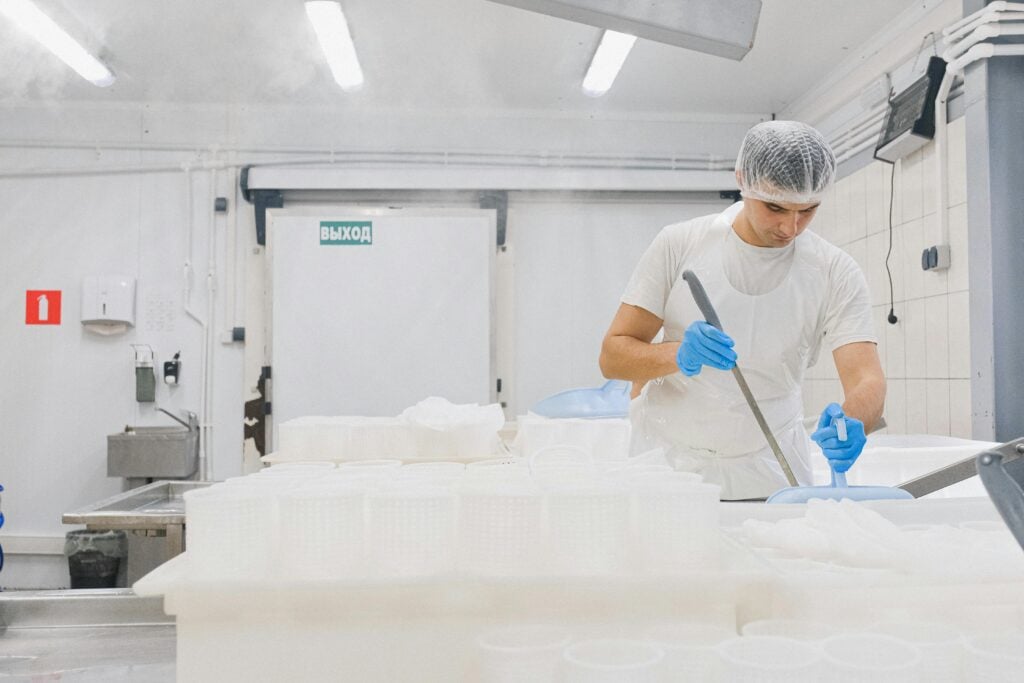
Food processing plants are at the forefront of food safety, requiring meticulous cleaning and sanitization protocols to prevent contamination and ensure compliance with industry standards. Effective sanitation not only protects consumer health but also safeguards brands from costly recalls and legal issues.
Key Components of Food Plant Sanitization
1. Rigorous Cleaning Procedures
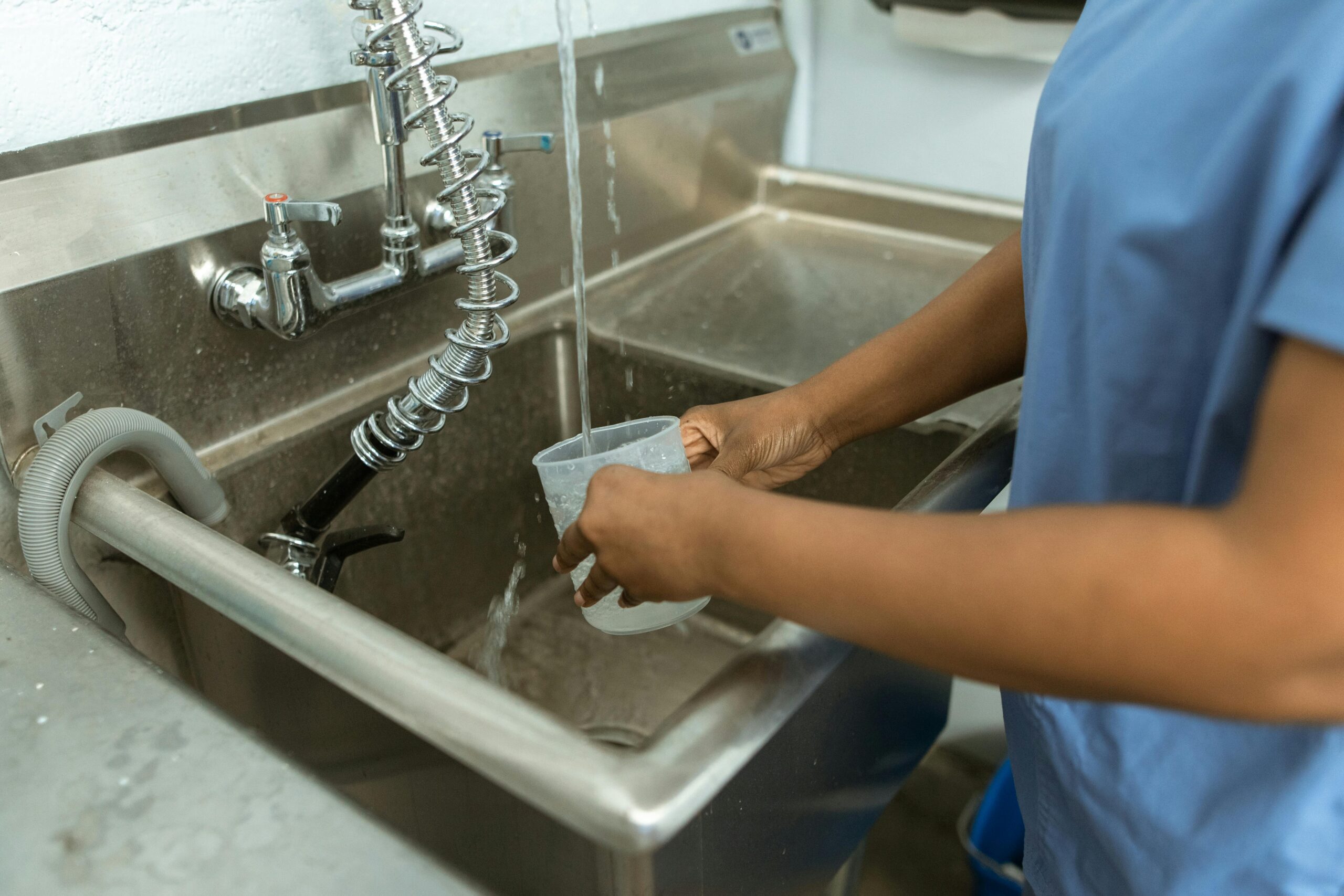
Cleaning involves removing dirt, food residues, and organic materials that can harbor bacteria. Utilizing specialized equipment such as wet cleaning systems and automated scrubbers can enhance efficiency.
2. Effective Disinfection
Disinfection eliminates pathogens that may survive cleaning. It is crucial to select EPA-approved disinfectants compatible with food contact surfaces to ensure safety and efficacy.
3. Regular Sanitation Schedule
Implementing a documented schedule helps maintain consistent sanitation levels. This includes routine cleaning of high-touch areas, processing equipment, and sanitation of entire production lines.
Role of HACCP in Food Facility Sanitation
Hazard Analysis and Critical Control Points (HACCP) are integral to modern food safety management. Establishing critical control points for sanitation ensures that potential contamination routes are identified and controlled.
Best Practices for Food Industry Cleaning and Sanitizing
- Use of compatible cleaning agents and disinfectants
- Proper training for sanitation staff
- Maintenance of equipment and facilities
- Monitoring and verification of sanitation processes
- Documentation for compliance and audits
Enhancing Food Safety Compliance with Reliable Sanitation Services
Partnering with experienced Fayette Contract Sanitation Services or reputable companies like Janiking, and GDI can provide tailored solutions to meet specific plant needs. They offer expertise in implementing custom cleaning protocols that address the unique challenges of food processing environments.
Choosing the Right Sanitation Service Provider
Consider companies that adhere to industry standards and have a proven track record in the food sector. Look for providers with certified staff, advanced equipment, and a comprehensive approach that encompasses cleaning, disinfecting, and continuous monitoring.
Conclusion
Effective sanitation in food processing facilities is essential for maintaining food safety, quality, and regulatory compliance. By integrating advanced cleaning technologies, adhering to HACCP principles, and partnering with dependable sanitation providers, food producers can ensure a safer supply chain and build consumer trust.