Introduction to Food Plant Sanitation
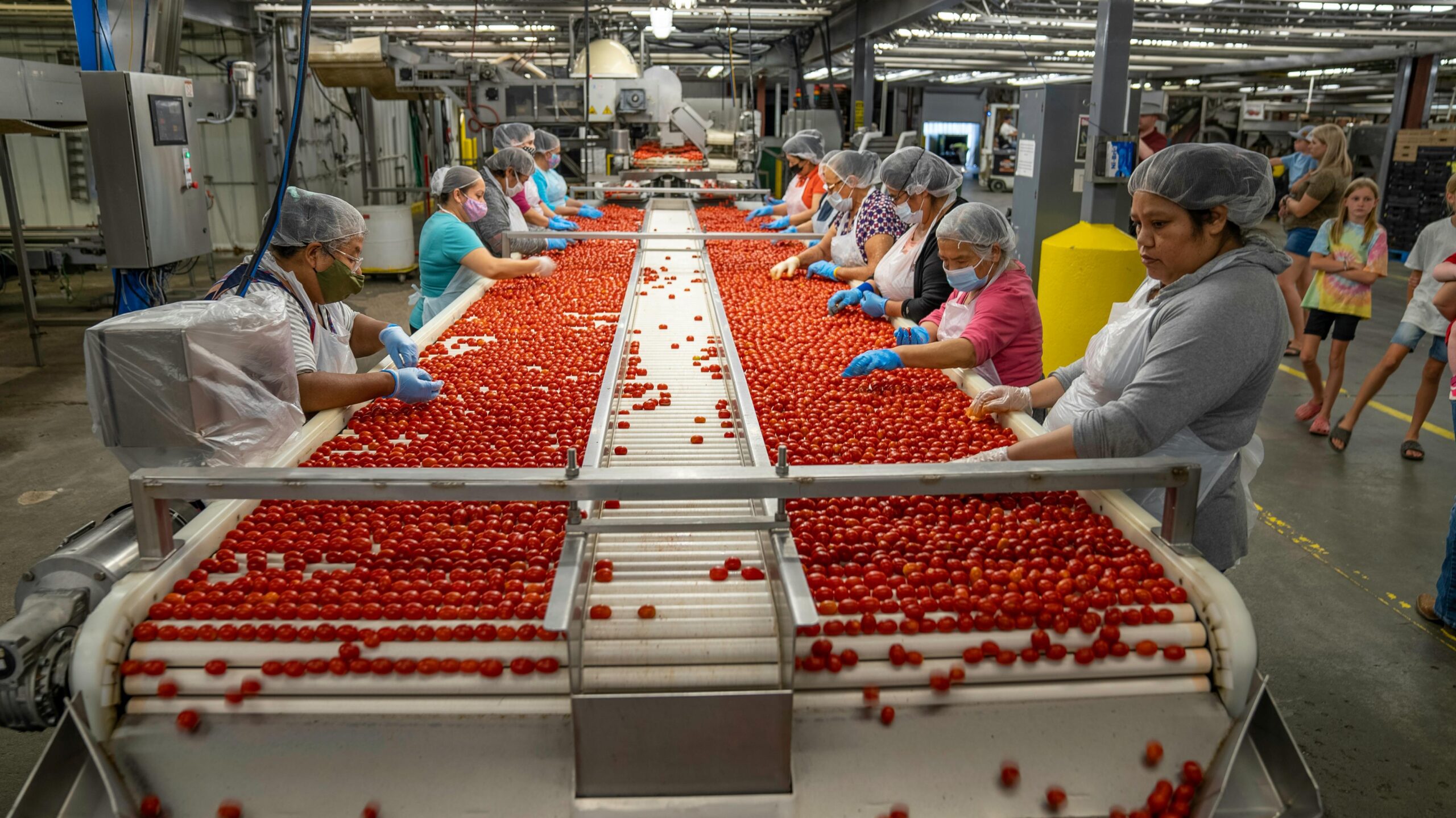
Maintaining rigorous food plant sanitation services is crucial for ensuring food safety and compliance with industry regulations. Proper sanitation processes not only prevent contamination but also contribute to operational efficiency across food processing facilities.
The Importance of Effective Sanitation in Food Processing
Effective sanitation in food processing plants is pivotal for:
- Preventing microbial growth and cross-contamination
- Compliance with Fayette Contract Sanitation Services standards and HACCP requirements
- Protecting consumer health and brand reputation
Key Components of Food Plant Sanitation
1. Selecting Appropriate Cleaning Agents
Use industry-approved cleaning agents that are effective against bacteria and pathogens but safe for the food environment.
2. Implementing Wet Cleaning Techniques
Adopt wet cleaning methods to remove dirt and residues from surfaces, equipment, and floors, ensuring thorough sanitation.
3. Regular Sanitization and Disinfection Protocols
Follow strict schedules for sanitizing surfaces, employing EPA-registered disinfectants to eliminate remaining microbes.
Best Practices for Food Plant Sanitation
- Design cleaning schedules based on facility risk assessment
- Utilize contract sanitation companies with experience in food industry standards
- Train staff diligently on sanitation procedures and hygiene protocols
The Role of HACCP in Sanitation Management
Implementing a Hazard Analysis and Critical Control Point (HACCP) system) is integral to managing sanitation risks. HACCP helps identify critical points that require strict sanitation controls, ensuring compliance and food safety.
Choosing the Right Sanitation Service Provider
Partnering with qualified sanitation service providers such as GDI, Ecolab, or Pro Cleaning Solutions USA can enhance your sanitation program. Fayette Contract Sanitation Services offers tailored solutions that adhere to regulatory standards.
Conclusion
Maintaining high standards of food plant sanitation is vital for achieving food safety, compliance, and operational quality. Regular assessments, staff training, and working with experienced sanitation providers create a safer, more efficient food processing environment.
For more insights into food sanitation and maintaining regulatory compliance, visit Fayette Contract Sanitation Services.