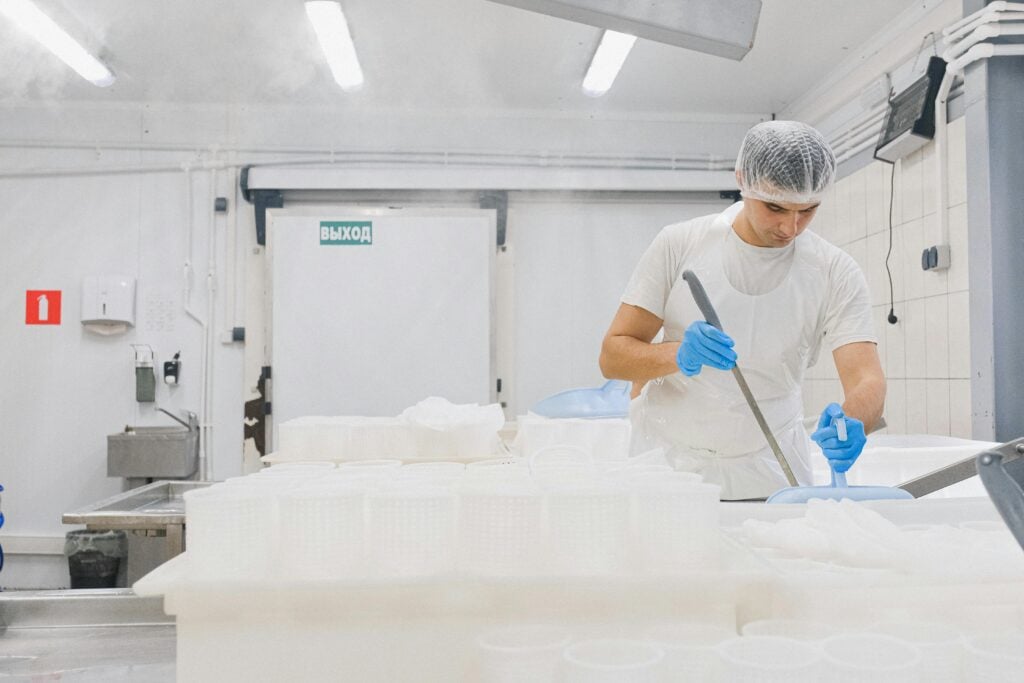
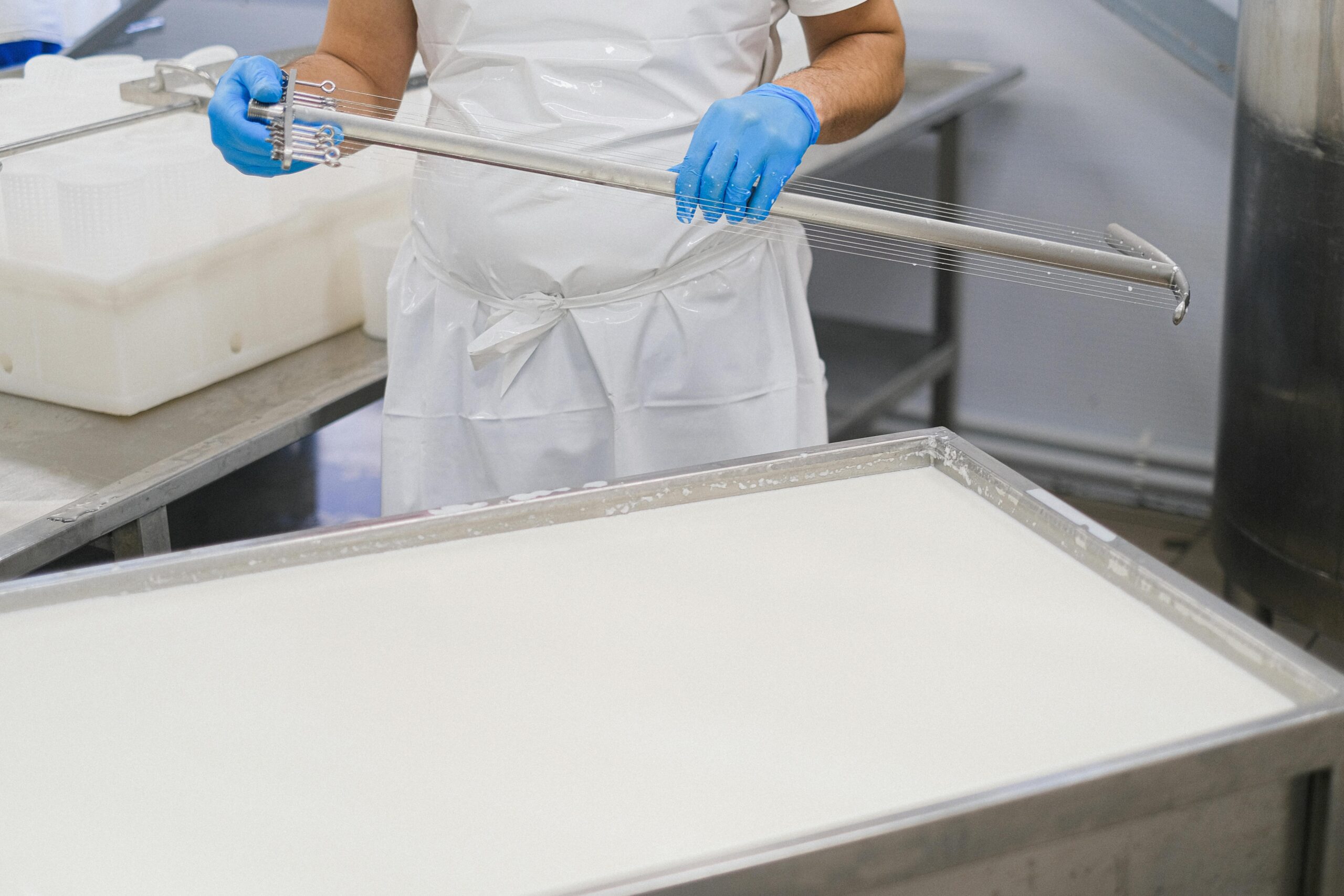
Maintaining cleanliness and sanitation in food processing plants is crucial for ensuring food safety, complying with regulations, and preventing contamination. Industry-leading food plant sanitation services involve comprehensive cleaning protocols tailored to the unique needs of food production environments. In this post, we explore essential practices and how professional sanitation providers can support your operations.
Understanding Food Plant Sanitation
Food plant sanitation encompasses a range of cleaning and disinfecting procedures designed to eliminate foodborne pathogens and debris from production surfaces, equipment, and environments. Proper sanitation not only protects consumer health but also aligns with regulatory standards such as HACCP (Hazard Analysis and Critical Control Points).
Key Components of Effective Food Industry Sanitation
- Surface cleaning: Removing visible residues, dirt, and debris from floors, walls, and equipment.
- Disinfection: Applying EPA-registered disinfectants that kill bacteria, viruses, and other pathogens.
- Wet cleaning techniques: Using skilled wet cleaning methods suitable for delicate equipment and hard-to-reach areas.
- Documentation: Keeping detailed records to verify sanitation processes during audits and inspections.
Industrial Sanitization in Food Processing
Industrial sanitation requires specialized equipment, trained personnel, and adherence to strict protocols. Many facilities partner with reputable sanitation providers like Fayette Contract Sanitation Services or Janitorial companies to ensure compliance and maintain operational efficiency.
Best Practices for Maintaining Food Safety and Compliance
Develop and Implement SOPs
Standard Operating Procedures (SOPs) should specify cleaning agents, schedules, and inspection routines. Regular training ensures staff are knowledgeable about proper sanitation techniques.
Utilize Appropriate Cleaning Agents
- Food-safe detergents
- EPA-registered disinfectants
- Agencies like Ecolab provide tailored solutions for the food industry
Schedule Regular Audits and Inspections
Routine audits help verify adherence to sanitation protocols and identify areas for improvement.
The Role of Professional Sanitization Services
Partnering with specialized service providers can streamline your sanitation processes. These companies offer expertise, advanced equipment, and environmentally friendly cleaning solutions that align with industry standards.
Additional Resources and Support
Facilities should consider consulting resources like the Fayette Food Plant Sanitation Services guide for up-to-date practices and compliance tips. Additionally, collaborating with trusted companies like GDI or Pro Cleaning Solutions USA can provide tailored sanitation programs.
Conclusion
Effective sanitation is a cornerstone of food safety and operational success within food processing facilities. Investing in professional food processing plant cleaning services guarantees regulatory compliance, reduces contamination risks, and promotes a safe food supply chain. Routine collaboration with experienced sanitation providers is a valuable step toward achieving these goals and maintaining high standards in your food production environment.