Optimizing Industrial Sanitation in Food Processing Plants for Food Safety and Compliance
In the highly regulated food industry, maintaining stringent sanitation standards in food processing facilities is essential for food safety and meeting compliance requirements. This article explores innovative approaches to industrial sanitation that ensure a contaminant-free environment, enhance efficiency, and promote regulatory adherence.
Role of Effective Sanitation in Food Processing
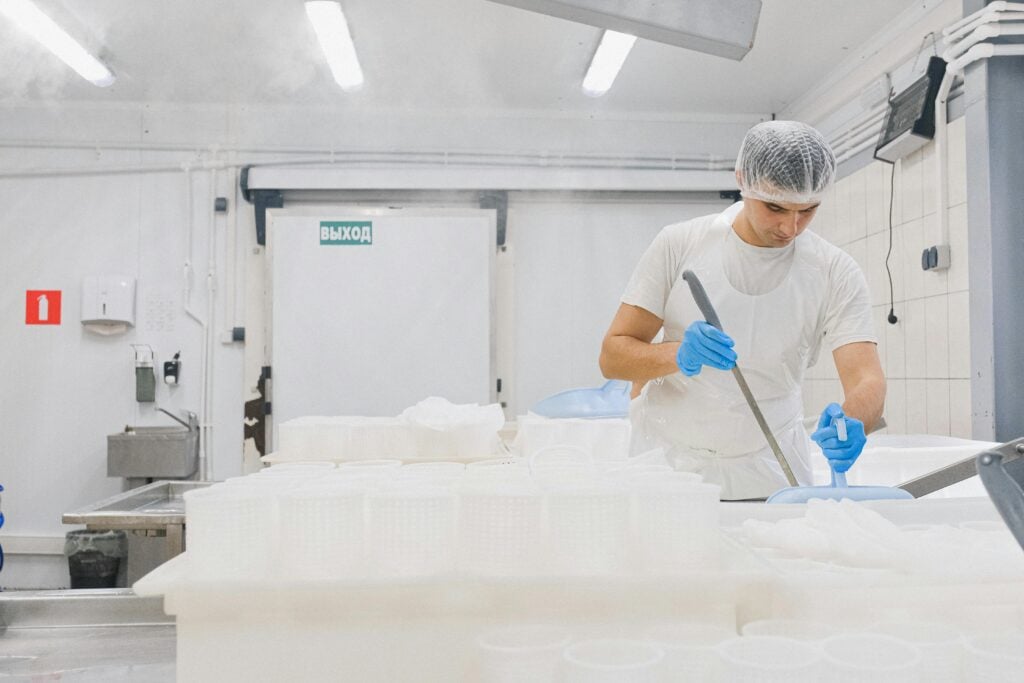
Proper sanitation in food processing plants prevents microbial contamination, cross-contact, and spoilage, ultimately safeguarding consumer health. Key aspects include:
- Regulatory Compliance: Adhering to HACCP standards and sanitation protocols set by authorities such as the FDA and USDA.
- Maintaining Food Quality: Preventing spoilage and contamination that can affect taste, texture, and shelf life.
- Operational Efficiency: Ensuring equipment and surfaces are clean reduces downtime and increases productivity.
Best Practices in Food Plant Sanitation
1. Routine Cleaning and Disinfecting
Establish a comprehensive cleaning schedule using approved detergents and disinfectants. Regular fayette sanitation procedures should be tailored to specific equipment and surfaces to remove organic matter and kill microbes effectively.
2. Wet Cleaning Techniques
Wet cleaning, involving high-pressure water and steam, is highly effective in removing stubborn soils and biofilms, especially in hard-to-reach areas.
3. Sanitation Accreditation and Audits
Participate in regular sanitation audits to identify gaps and ensure compliance with emerging standards. Partner with experienced contract sanitation companies, like Fayette Contract Sanitation Services, for reliable support.
Implementing Robust HACCP and Food Safety Protocols
A well-designed HACCP system involves hazard analysis, critical control points, and consistent verification processes. Integrating sanitation practices within this framework ensures contamination risks are minimized.
Choosing the Right Sanitation Service Providers
Collaborating with reputable contract sanitation companies can streamline operations and uphold sanitation standards. Apart from Fayette, other agencies such as Jani-King and Jan-Pro offer tailored sanitation solutions suited to food processing environments.
Emerging Technologies in Food Industry Sanitation
The adoption of advanced technologies such as UV-C sterilization, electrostatic spraying, and IoT-enabled monitoring systems can enhance sanitation efficacy, reduce chemical usage, and ensure ongoing compliance.
Conclusion
Ensuring stringent sanitation protocols in food processing facilities is critical for food safety, regulatory adherence, and operational excellence. By adopting modern cleaning practices, leveraging technology, and partnering with experienced service providers, food plants can maintain high sanitation standards that protect consumers and support sustainable business practices.