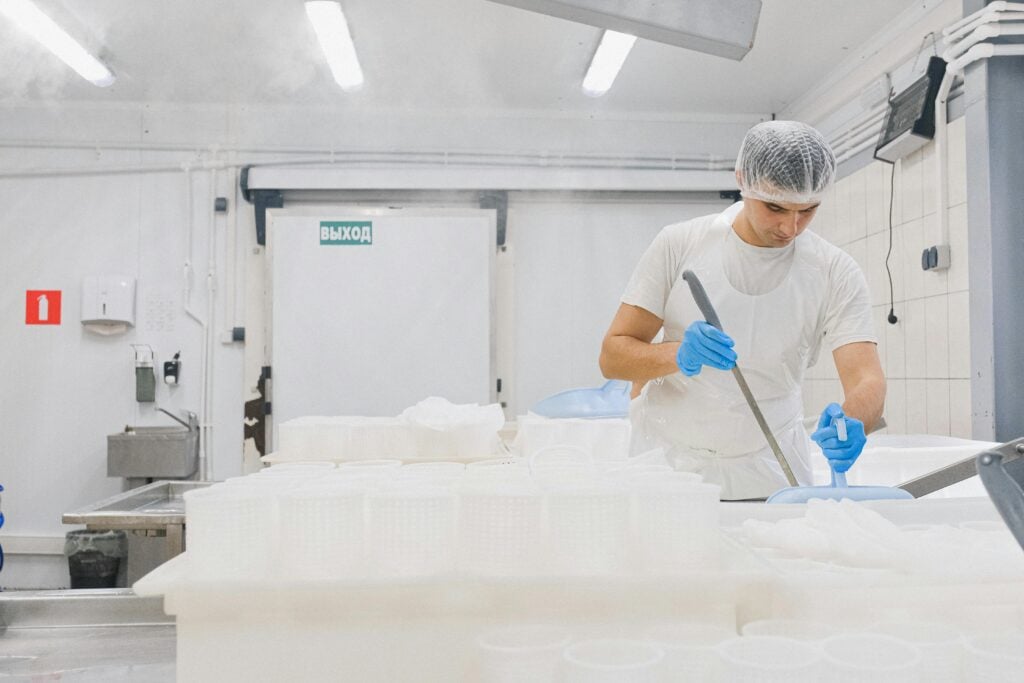
Maintaining cleanliness in food processing facilities is paramount to ensuring food safety and meeting strict industry regulations. Industrial sanitation plays a crucial role in preventing cross-contamination, controlling bacteria, and maintaining a hygienic environment for food production.
Understanding the Importance of Industrial Sanitation
Industrial sanitation encompasses comprehensive cleaning practices tailored for food processing plants. It involves the removal of dirt, debris, and microbial contaminants from surfaces, equipment, and facilities, aligning with food safety standards and regulatory requirements such as the HACCP (Hazard Analysis and Critical Control Points) system.
Key Components of Effective Food Facility Cleaning
1. Routine Cleaning and Sanitization
- Regular cleaning schedules prevent microbial growth and spoilage.
- Use of EPA-approved sanitizers ensures effective disinfection without compromising food safety.
2. Wet Cleaning Techniques
Wet cleaning involves the use of water, detergents, and disinfectants to break down soils and microbes on surfaces. Properly executed wet cleaning is vital for an effective sanitation program, especially in high-pressure environments.
3. Equipment and Surface Sanitation
Food processing plants must prioritize sanitizing equipment, conveyor belts, and contact surfaces regularly. This process reduces the risk of microbial cross-contamination and ensures compliance with industry standards.
Implementing a Successful Food Plant Sanitation Program
Step-by-Step Approach
- Conduct a thorough food audit to identify areas needing sanitation improvements.
- Develop a tailored HACCP plan that integrates cleaning protocols as critical control points.
- Choose appropriate cleaning agents and disinfectants approved for food facilities.
- Train staff and sanitation crews on proper cleaning techniques and safety procedures.
- Schedule regular inspections and audits to verify sanitation efficacy.
Additional Resources and Leading Service Providers
When searching for reliable sanitation service providers, consider companies like Fayette Contract Sanitation Services, Janiking, or Jan-Pro. These organizations offer specialized cleaning services tailored for food plants, helping ensure compliance with food safety standards and regulatory audits.
Conclusion
Effective industrial sanitation and food plant cleaning are fundamental to maintaining a safe food production environment. By adopting best practices, leveraging the right technology, and partnering with reputable sanitation providers, food processing facilities can uphold high hygiene standards, prevent contamination, and meet industry regulations with confidence.
Remember, consistent execution of sanitation protocols not only ensures compliance but also supports consumer trust in your brand and the safety of the food products you provide. For further assistance, explore local sanitation companies and consider integrating innovative cleaning technologies to enhance your facility’s sanitation program.