Introduction to Sanitation in Food Processing
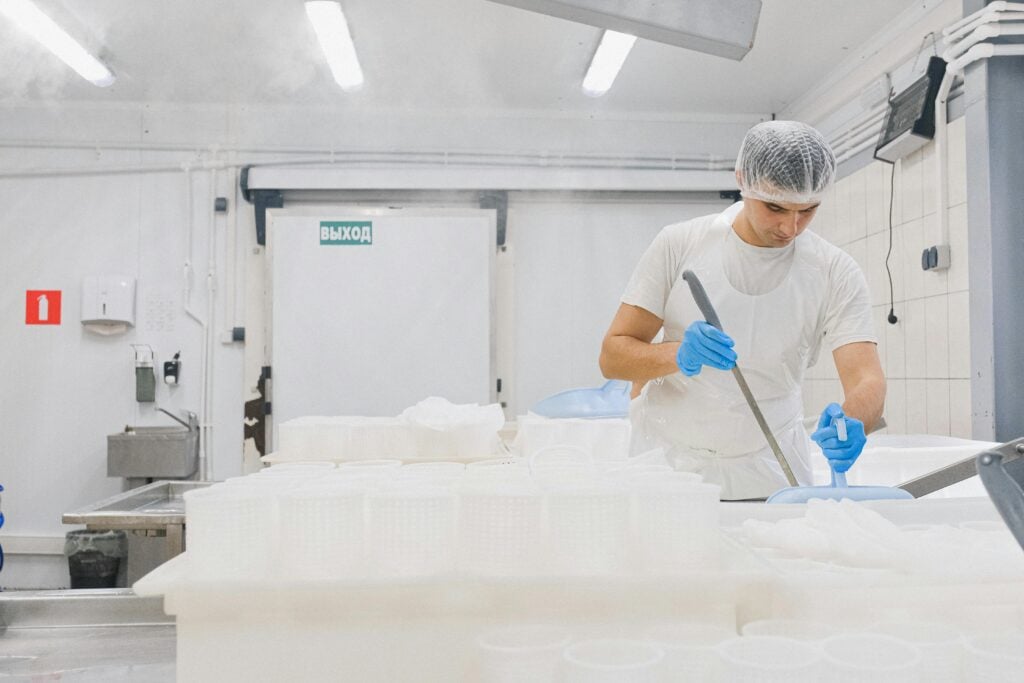
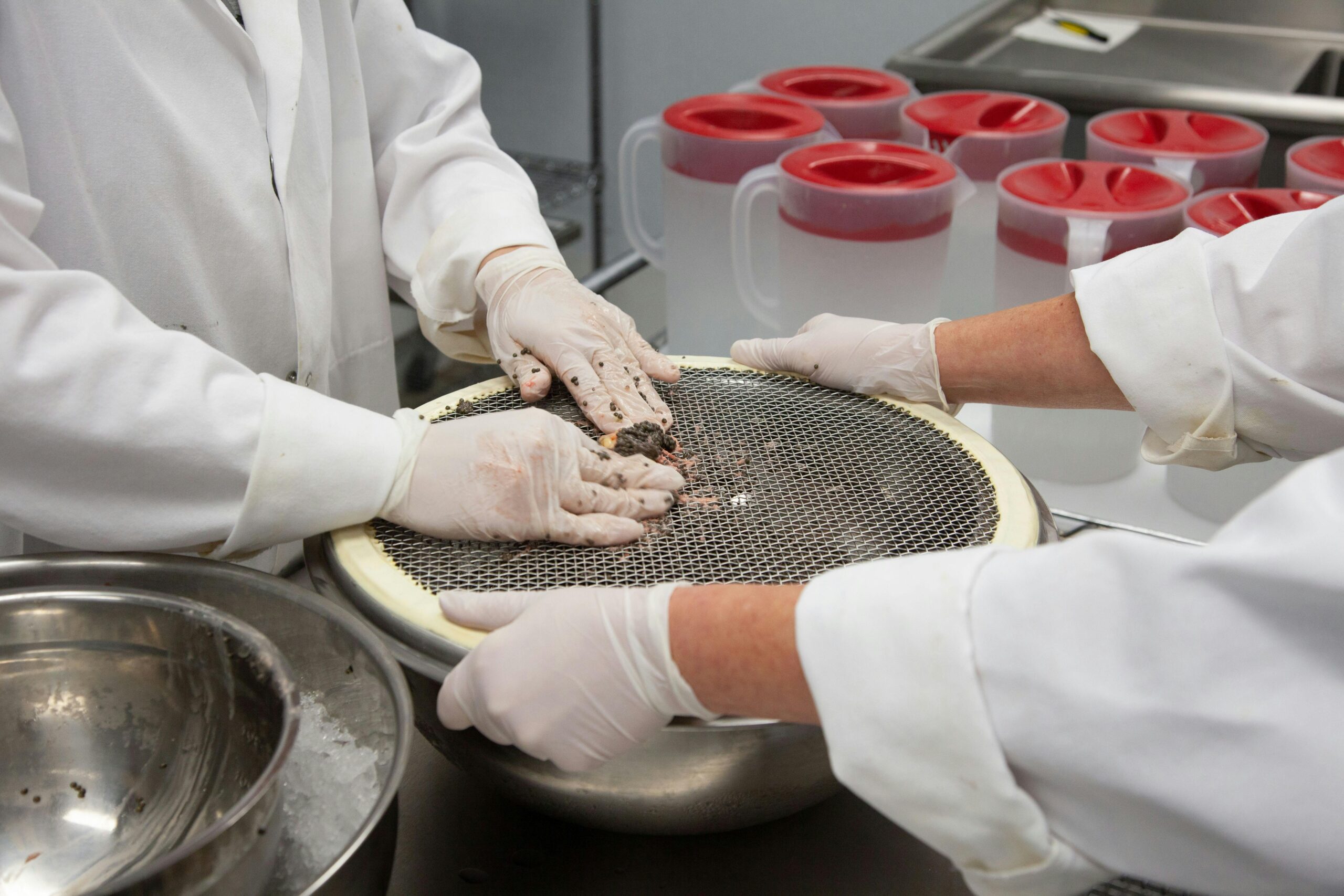
Maintaining sanitation standards in food processing plants is essential to ensure product safety, meet regulatory compliance, and prevent contamination. A thorough sanitation process involves cleaning, disinfection, and sterilization routines tailored to the unique needs of food production environments.
Understanding Food Plant Sanitation Services
Food plant sanitation services encompass a range of practices and technologies designed to eliminate bacteria, pathogens, and residues from equipment, surfaces, and facility environments. Effective sanitation directly impacts food safety and helps comply with regulations such as HACCP (Hazard Analysis and Critical Control Points).
The Role of Sanitation in Food Safety
- Reduces Microbial Risk: Proper sanitation minimizes bacterial and viral contamination sources.
- Prevents Cross-Contamination: Ensures pathogen-free surfaces between different production batches.
- Supports Regulatory Compliance: Meets industry standards and audits for food safety.
Best Practices in Food Processing Plant Cleaning and Sanitization
Scheduled Routine Cleaning
Implement a regular cleaning schedule that targets high-touch surfaces and equipment. Use approved cleaning agents compatible with your machinery and substances that do not leave harmful residues.
Effective Disinfection Protocols
Apply disinfectants designed specifically for food processing environments, such as those with proven microbiological efficacy. Follow manufacturer instructions for dilution and contact time to maximize effectiveness.
Verification and Record-Keeping
Maintain records of sanitation activities, including cleaning schedules, disinfectant usage, and microbial testing results. This documentation supports HACCP programs and regulatory audits.
Innovative Technologies in Food Plant Sanitation
Wet Cleaning Systems
Wet cleaning leverages high-pressure water and detergents to remove residues from surfaces, improving hygiene levels.
Foam and Steam Cleaning
These methods enhance sanitation by penetrating hard-to-reach areas and eliminating microbial contaminants effectively.
Selecting a Sanitation Service Provider
The choice of a reliable sanitation service provider is crucial for maintaining food safety standards. Companies such as Fayette Contract Sanitation Services offer comprehensive solutions tailored for food processing plants. Additionally, consider providers like Janiking and Jani-King who specialize in industrial sanitation.
Conclusion
In the highly regulated food industry, sanitation is not just a routine task but a critical component of food safety management. Regular, documented cleaning and sanitization protocols, combined with innovative technologies and reputable service providers, ensure your food processing operations meet safety standards and consumer expectations.
For more insights and professional sanitation solutions, explore Fayette Contract Sanitation Services and other industry leaders dedicated to keeping food facilities safe and compliant.