Understanding the Importance of Food Plant Sanitation
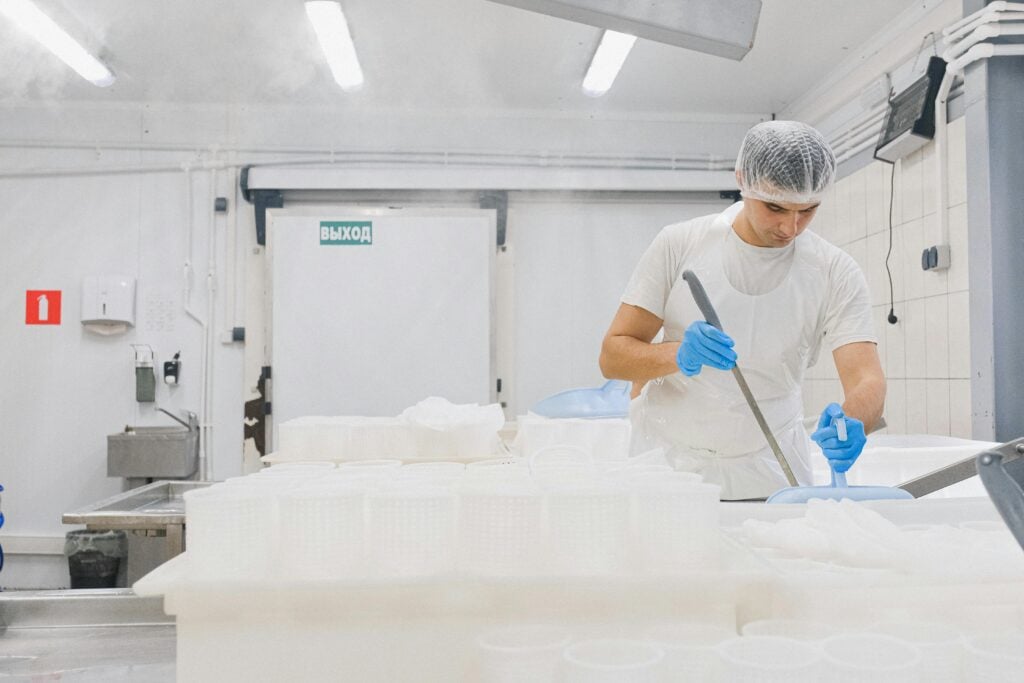
Maintaining high standards of food plant sanitation is essential for ensuring food safety, regulatory compliance, and operational efficiency. By implementing rigorous cleaning protocols, food processing facilities can prevent contamination and protect consumer health.
Key Aspects of Food Plant Sanitation
Comprehensive Cleaning and Sanitization
- Cleaning in the food industry: Removing dirt, debris, and residues from surfaces and equipment.
- Sanitization: Reducing microbial counts to safe levels, preventing cross-contamination.
Regulatory Compliance and Certification
Adhering to standards such as HACCP (Hazard Analysis and Critical Control Points) ensures your facility meets all safety and sanitation regulations.
Choosing a Food Plant Sanitation Partner
Selecting the right contract sanitation company is vital for consistent and effective cleaning. Reputable providers like Fayette Contract Sanitation Services, Janiking, and Hydrite offer tailored solutions to meet your facility’s needs.
Implementing an Effective Sanitation Program
Develop a Cleaning Schedule
- Frequency based on equipment use and risk assessment.
- Use appropriate cleaning agents and disinfectants.
Train Staff Properly
Ensure personnel are trained in cleaning protocols and hygiene practices to maintain sanitation standards.
Innovative Technologies in Food Plant Sanitation
Modern cleaning methods such as wet cleaning and advanced disinfectants improve efficiency and sanitation outcomes while reducing downtime and chemical use.
Conclusion
Robust food processing plant cleaning and sanitation are indispensable for achieving food safety, complying with regulatory standards, and ensuring consumer confidence. Partnering with experienced contract sanitation providers and embracing innovative cleaning techniques can significantly enhance your facility’s sanitation performance.