Introduction to Food Plant Sanitation and Food Safety
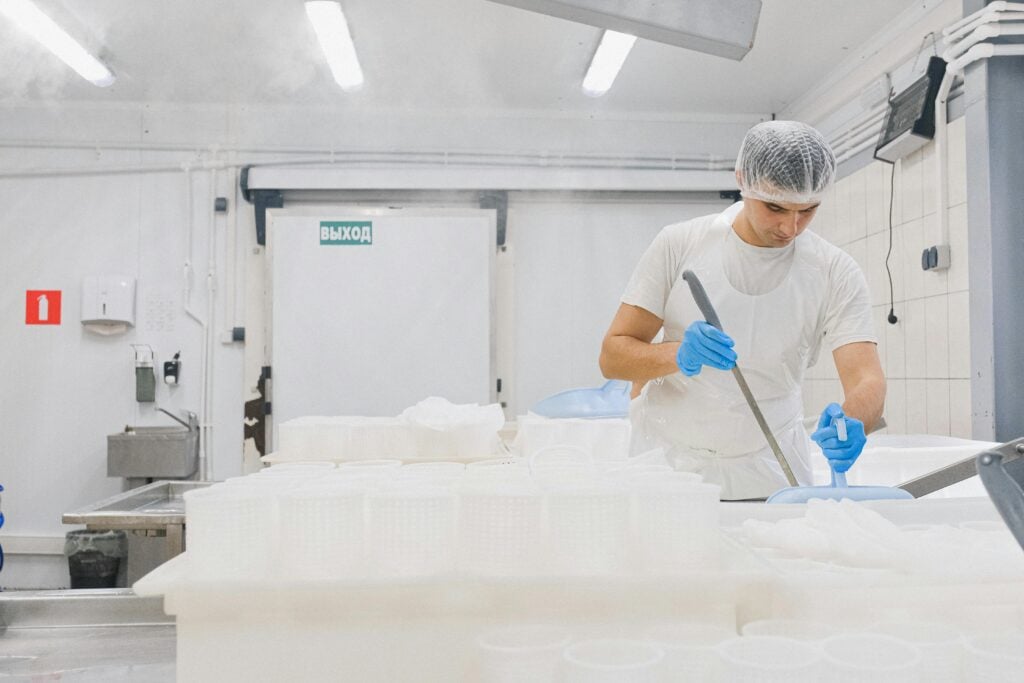
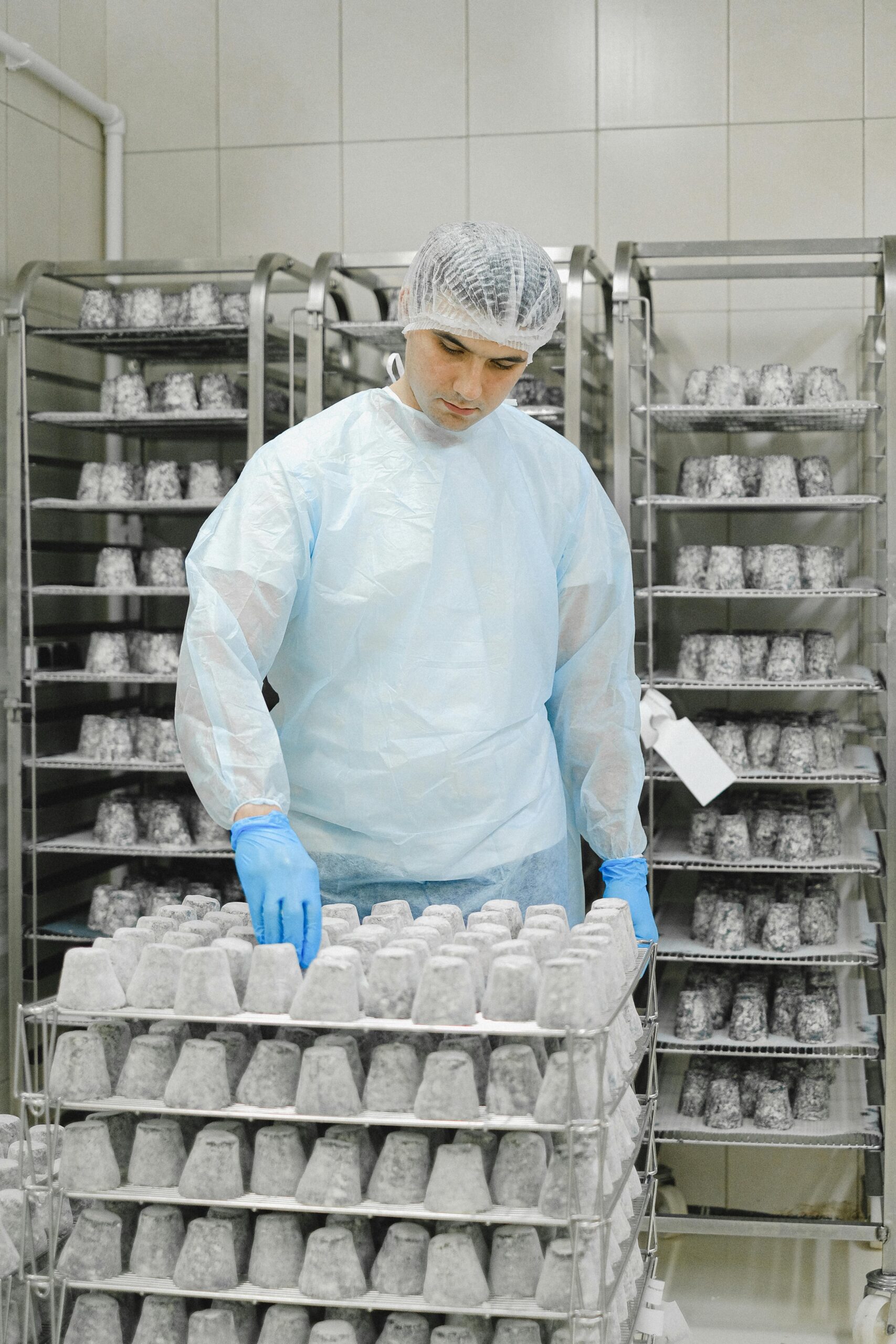
Maintaining the highest standards of food plant sanitation is essential for ensuring the safety and quality of food products. With increasing regulatory requirements, thorough sanitation practices play a crucial role in preventing contamination, promoting food safety, and maintaining a compliant production environment.
Understanding the Significance of Food Plant Sanitation
Effective sanitation in food processing facilities minimizes the risks associated with microbial contamination and cross-contact, which can lead to foodborne illnesses. Proper sanitation routines also help achieve compliance with standards such as HACCp (Hazard Analysis and Critical Control Points), fostering consumer trust and brand integrity.
Key Components of Food Industry Sanitation
Cleaning vs. Sanitizing
While often used interchangeably, cleaning and sanitizing are distinct processes:
- Cleaning: removal of dirt, debris, and food residues from surfaces.
- Sanitizing: reducing microbial populations to safe levels.
Implementing a meticulous routine for both steps is vital for effective sanitation.
Best Practices for Food Processing Facility Cleaning
- Use approved cleaning agents tailored for food industry environments.
- Follow manufacturer instructions for application and contact time.
- Regularly train staff on sanitation procedures and safety protocols.
- Prioritize cleaning of high-touch surfaces and hard-to-reach areas.
Regulatory Compliance and Food Safety Standards
Adherence to Fayette Contract Sanitation Services guidelines and HACCp principles ensures that facilities meet regulatory requirements. Routine audits, record keeping, and verification procedures are essential components of compliance strategies.
Advanced Sanitation Technologies and Solutions
Wet Cleaning Methods
Wet cleaning involves the use of water, detergents, and disinfectants to effectively remove soils and microbial contaminants from surfaces.
Innovative Equipment and Services
- Consider employing GDI equipment for automated cleaning processes.
- Partner with reputable janitorial service providers to maintain sanitation standards consistently.
- Assess the offerings from Ecolab for sanitization solutions designed for the food industry.
Implementing a Successful Food Sanitation Program
- Conduct regular sanitation inspections and audits.
- Maintain detailed records to demonstrate compliance and identify areas for improvement.
- Provide ongoing staff training on sanitation procedures and hygiene practices.
- Invest in high-quality cleaning and sanitation equipment.
Conclusion
Consistent application of advanced sanitation practices, combined with strict adherence to regulatory guidelines, ensures food safety and optimal operational performance. Collaboration with trusted sanitation service providers, like Fayette Contract Sanitation Services, can support ongoing compliance and cleanliness in food processing environments.