
Understanding Food Plant Sanitation and Its Role in Food Safety
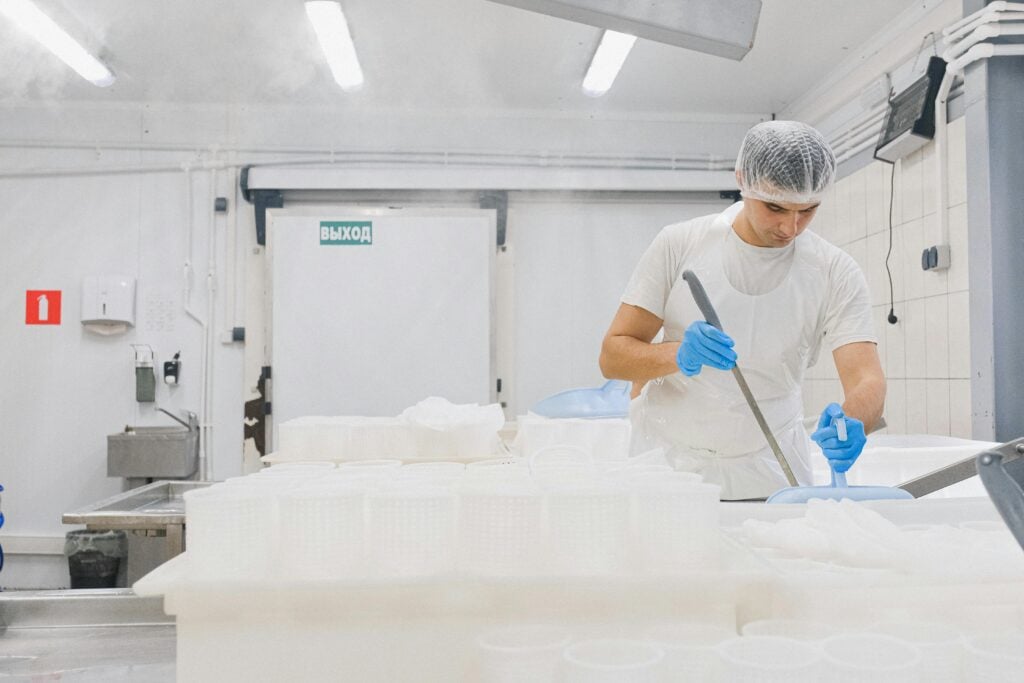
Effective sanitation in food processing environments is vital to prevent contamination and ensure product safety. Foodsafety standards require rigorous cleaning protocols that remove dirt, debris, and potential pathogens from equipment surfaces, workstations, and storage areas. Regular sanitation not only helps in maintaining compliance but also extends the longevity of machinery and improves overall operational efficiency.
Key Strategies in Industrial and Food Plant Sanitation
Use of Wet Cleaning Techniques
Wet cleaning involves the use of water, approved cleaning agents, and equipment such as high-pressure washers to thoroughly clean surfaces. This method is highly effective in removing stubborn residues and is a standard in food processing plant cleaning to meet hygiene requirements.
Importance of Proper Sanitization
Sanitization reduces microbial load on surfaces to safe levels. It’s crucial to distinguish between cleaning and sanitizing, as outlined in industry standards. Proper sanitization techniques, including the use of appropriate disinfectants approved for food environments, are essential for preventing cross-contamination and ensuring compliance with food safety regulations.
Implementing HACCP in Food Sanitation
Hazard Analysis and Critical Control Points (HACCP) system provides a structured approach to identify and control potential hazards during food processing. Incorporating sanitation into HACCP plans involves verifying cleaning procedures, validating disinfectant effectiveness, and maintaining detailed records. These steps are critical for food sanitation companies aiming to uphold high safety standards.
Choosing the Right Contract Sanitation Companies
Partnering with experienced contract sanitation companies such as Fayette Contract Sanitation Services, Janiking, or Jan-Pro ensures access to advanced cleaning technologies and trained personnel. These providers deliver tailored sanitation programs that align with industry regulations, help reduce downtime, and improve food safety outcomes.
Final Thoughts
Maintaining superior sanitation standards in food processing facilities requires a combination of effective cleaning techniques, compliance with HACCP protocols, and partnering with reliable sanitation service providers. Continuous training and adherence to industry best practices are vital to ensuring safety and quality in the food supply chain.