Introduction to Food Plant Sanitation and Safety
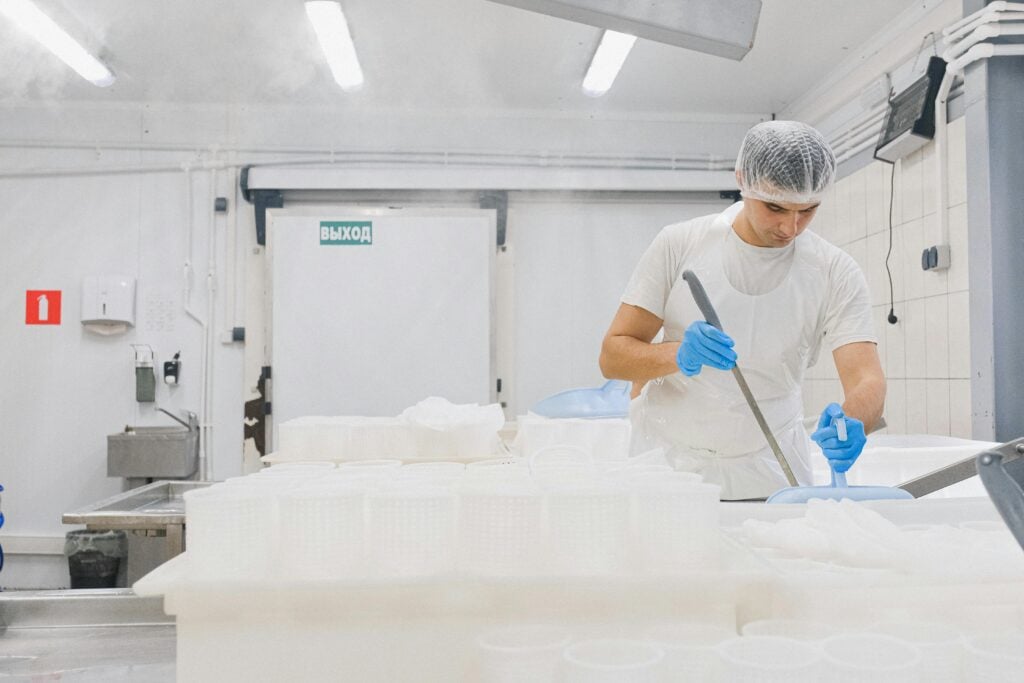
Maintaining high standards of cleanliness and sanitation within food processing plants is crucial to ensure food safety, meet regulatory compliance, and prevent the risk of contamination. Food plant sanitation services involve a combination of cleaning, sanitizing, and disinfecting procedures tailored for the unique environment of food manufacturing facilities.
Key Aspects of Food Processing Plant Cleaning
1. Importance of Industrial Sanitation
Industrial sanitation encompasses the comprehensive cleaning processes designed to eliminate dirt, debris, and microbial contaminants. Proper sanitation supports Fayette Contract Sanitation Services and other reputable providers to uphold hygiene standards specific to food production settings.
2. Effective Cleaning Methods in Food Industry
- Wet cleaning techniques to thoroughly remove residues
- Use of approved cleaning agents aligned with food safety regulations
- Adherence to cleaning schedules as part of HACCP systems
Sanitization and Disinfection in Food Plants
Understanding the Difference
Cleaning involves removing visible dirt and debris, while sanitizing reduces microbial populations to safe levels. Disinfection, on the other hand, destroys bacteria, viruses, and other pathogens present on surfaces. Proper sanitization is essential to meet microbiology standards and comply with food safety regulations.
Practicing Effective Sanitization
- Selection of appropriate sanitizing agents approved for food contact surfaces
- Calibration of application methods to ensure even coverage
- Regular monitoring and validation through microbial testing
Implementing HACCP and Food Safety Programs
The Hazard Analysis and Critical Control Points (HACCP) system is a structured approach to identify and control potential hazards in food processing. Integrating sanitation protocols within HACCP plans ensures continuous food safety compliance and minimizes contamination risks.
Key Elements of a HACCP System
- Regular sanitation of equipment and surfaces
- Training staff on hygiene and sanitation procedures
- Record-keeping and documentation for audits
Choosing the Right Food Plant Sanitation Partner
Partnering with experienced sanitation companies like Fayette Contract Sanitation Services, Janitorial & Cleaning Services, or Hydrite helps ensure your facility maintains optimal hygiene levels and regulatory compliance. Consider factors such as expertise, scope of services, and adherence to safety protocols when selecting a provider.
Conclusion
In the food processing industry, stringent sanitation practices are non-negotiable for achieving food safety and regulatory compliance. Incorporating effective cleaning, sanitization, and disinfection strategies, supported by reliable sanitation service providers, creates a safer environment for both workers and consumers.
For more information on food plant sanitation services, visit Fayette Contract Sanitation Services or explore solutions from other experienced providers to meet your facility’s needs.