Introduction to Food Plant Sanitation and Food Safety
Effective food plant sanitation services play a vital role in maintaining the safety and hygiene standards essential for food processing facilities. As regulatory environments become more stringent, food manufacturers must prioritize sanitation protocols to prevent contamination and ensure consumer safety.
The Significance of Food Plant Sanitation in Food Industry
Understanding the Role of Sanitation
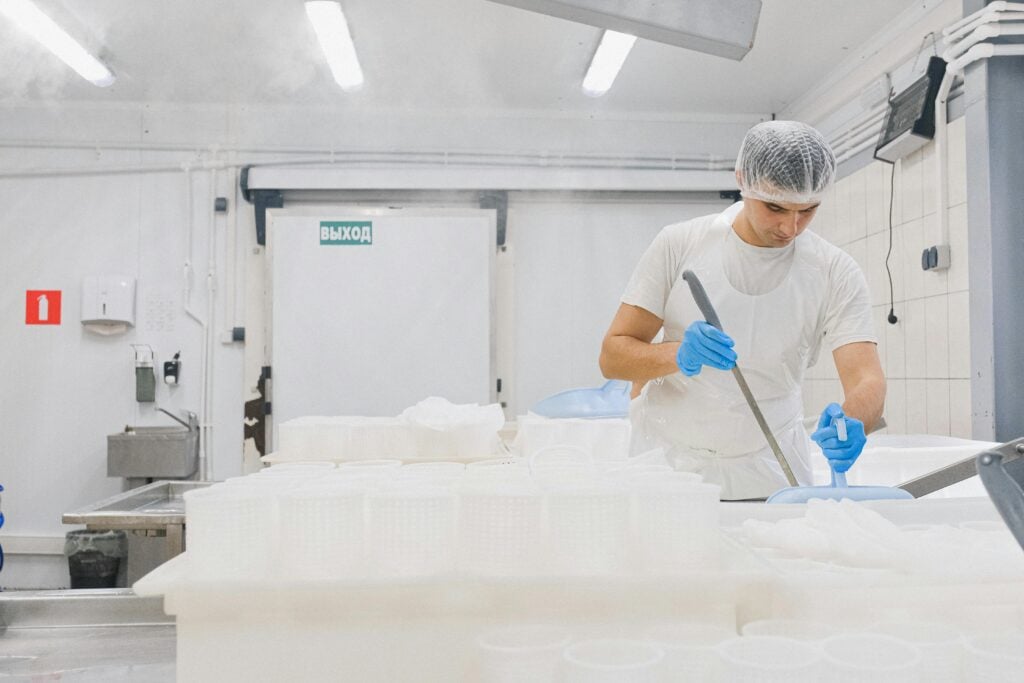
Sanitation in food plants involves cleaning and disinfecting equipment, surfaces, and environment to eliminate microbial contamination. Proper sanitation procedures not only enhance food safety but also improve product quality and compliance with HACCP requirements.
Key Components of Food Plant Sanitation
- Cleaning: Removal of dirt, debris, and food residues.
- Sanitizing: Reducing microbial presence to safe levels.
- Disinfection: Killing specific pathogens to comply with industry standards.
Best Practices for Effective Food Industry Sanitization
Developing a Robust HACCP Plan
Implementing a HACCP system ensures systematic risk management and process control. Regular audits and documentation support certification and compliance with food safety regulations.
Choosing the Right Cleaning Agents and Disinfectants
Use food-grade cleaning agents that are compatible with equipment and surfaces. Consider environmentally friendly options without compromising efficacy.
Employee Training and Protocols
Train staff on proper sanitation techniques, emphasizing the importance of consistency and thoroughness in cleaning routines.
Implementing Wet Cleaning Procedures
Wet cleaning involves the use of water and detergents to effectively remove residues and microbial contaminants, especially in food processing environments.
Innovations in Food Plant Sanitation Equipment
Advancements such as high-pressure steam cleaners, UV sterilization, and automated cleaning systems contribute significantly to sanitation efficiency and consistency.
Partnering with Sanitation Service Providers
Engaging reputable sanitation companies can bring specialized expertise and resources to maintain optimal compliance. Companies like Fayette Contract Sanitation Services, Janiking, and Jan-Pro offer tailored solutions for food processing facilities.
Conclusion
Maintaining rigorous food plant sanitation is fundamental for food safety and regulatory compliance. By adopting innovative techniques, rigorous protocols, and partnering with experienced sanitation providers, food processors can effectively safeguard their operations and meet industry standards.