
Maintaining high standards of food plant sanitation and ensuring compliance with industry regulations are vital components of operational success in the food processing industry. Proper sanitation not only safeguards consumer health but also prevents costly shutdowns and recalls. This article explores practical approaches to food processing plant cleaning, the importance of compliance, and how partnering with reputable sanitation service providers can enhance your facility’s hygiene.
Understanding Food Plant Sanitation and Its Role in Industry Compliance
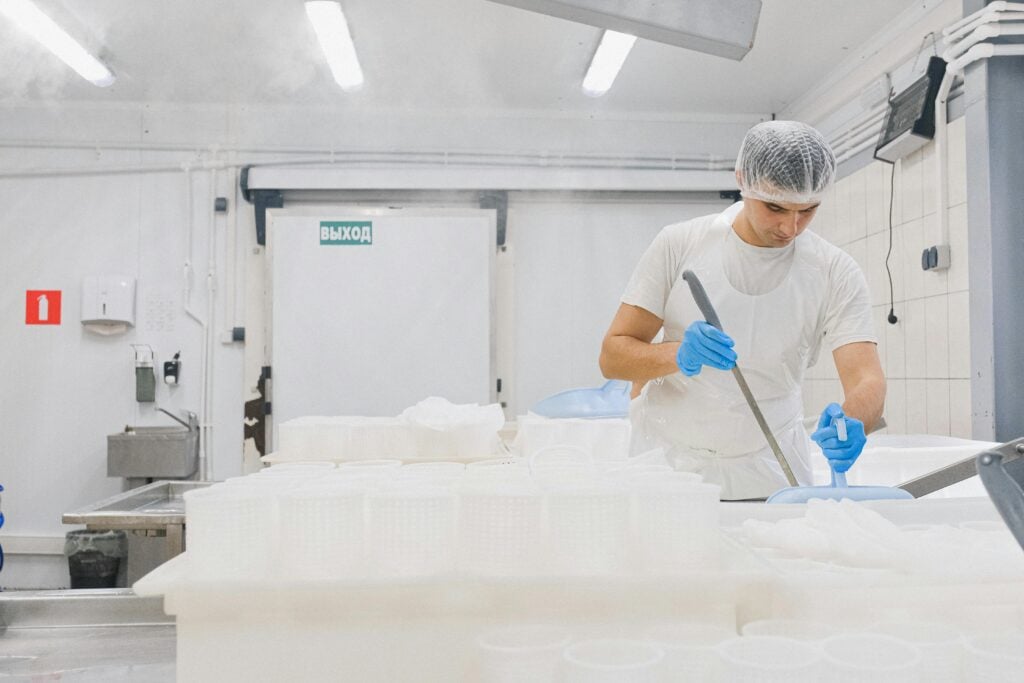
Food processing plants are complex environments that require meticulous cleaning protocols to prevent contamination. Sanitation involves more than just cleaning; it encompasses a range of practices aimed at reducing microbial presence and maintaining a hygienic environment. Establishing a culture of sanitation can help facilities adhere to strict guidelines such as those outlined by figures like HACCP (Hazard Analysis Critical Control Point).
Why Sanitation is Critical in Food Processing
- Prevention of Foodborne Illnesses: Proper sanitation reduces microbial contamination, protecting consumers.
- Regulatory Compliance: Adherence to standards set by agencies like the FDA and USDA ensures legal operations.
- Product Quality: Clean environments enhance the shelf life and safety of food products.
Best Practices for Food Processing Plant Cleaning
Effective cleaning in food industry settings involves a combination of procedures tailored to the unique needs of each facility. Here are key practices:
Develop a Customized Cleaning Plan
Identify critical control points and establish cleaning frequencies and protocols for each area.
Utilize Suitable Cleaning Agents and Equipment
Choose food-safe, effective cleaning and sanitizing agents, and employ equipment like wet cleaners designed for industrial use.
Train Staff Regularly
Employees should be trained in proper cleaning techniques and the importance of sanitation practices.
Partnering with Sanitation Service Providers
Contract sanitation companies can provide specialized cleaning services that meet industry standards. Companies like Fayette Contract Sanitation Services, Janiking, and Jan-Pro offer tailored solutions for food processing facilities.
Collaborating with experts ensures consistent sanitation, compliance, and helps navigate the regulatory landscape efficiently.
Regulatory Standards and Compliance in Food Industry Sanitation
Adhering to regulatory standards involves implementing HACCP systems, maintaining detailed sanitation records, and conducting regular audits. The Fayette team can assist in developing and maintaining effective sanitation programs aligned with industry regulations.
Conclusion
Prioritizing sanitation in food processing not only supports compliance but also boosts consumer trust and product integrity. By adopting best practices, leveraging advanced cleaning methods, and partnering with trusted sanitation service providers, facilities can create a safer, more compliant production environment.
For additional support with facility sanitation and compliance, contact Fayette Contract Sanitation Services, or explore options with firms like Janiking and Jan-Pro. Ensuring robust sanitation programs is essential for sustainable success in the food industry.