Optimizing Food Plant Sanitation and Compliance for Safer Food Processing
Maintaining impeccable sanitation standards in food processing plants is fundamental in ensuring food safety and regulatory compliance. From microbial control to adherence to HACCP (Hazard Analysis and Critical Control Points) protocols, a comprehensive approach to sanitation can prevent contamination and safeguard consumer health.
Understanding the Importance of Food Plant Sanitation
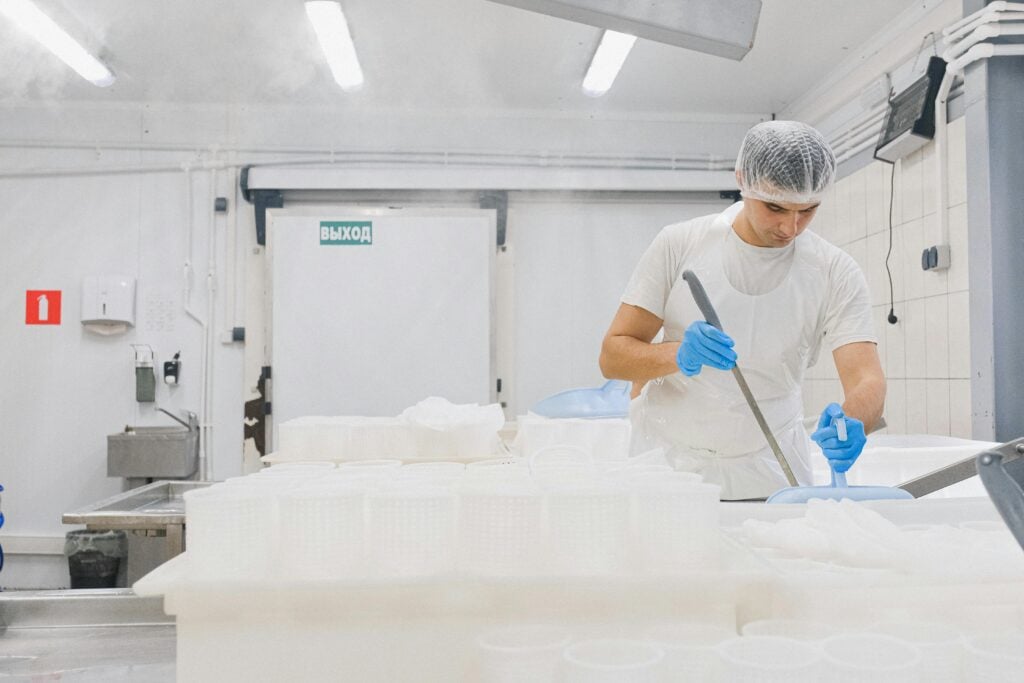
Food plant sanitation involves cleaning and disinfecting to reduce microbial presence, remove residual debris, and prevent cross-contamination. Proper sanitation not only enhances product quality but also aligns with strict industry regulations enforced by agencies such as the FDA.
Key Components of Effective Sanitation in Food Processing
Regular and Deep Cleaning
- Implement daily cleaning schedules for all surfaces, equipment, and production areas.
- Utilize wet cleaning methods for stubborn residues, ensuring thorough cleaning of hard-to-reach spots.
Disinfection Protocols
- Select appropriate disinfectants approved for food processing environments.
- Follow manufacturer guidelines for contact times and application procedures.
Employee Training
- Educate staff on sanitation best practices, including cross-contamination prevention.
- Encourage hygiene practices such as proper handwashing and equipment handling.
Role of Certification and Regulatory Compliance
Achieving and maintaining compliance with HACCP systems is vital for food safety. Regular audits and inspections help ensure sanitation procedures meet the necessary standards.
Innovations and Technology in Food Plant Sanitation
Modern sanitation programs incorporate advanced tools such as automated cleaning systems and real-time microbial testing, which improve efficiency and reliability. Investing in these technologies can streamline operations and enhance food safety outcomes.
Partnering with Reliable Sanitation Service Providers
Partnering with experienced companies like Fayette Contract Sanitation Services can bolster your sanitation efforts. Other reputable providers include Janiking and Jan-Pro.
Conclusion
Investing in thorough sanitation practices and regulatory compliance is essential for the success of any food processing facility. Implementing best practices, leveraging innovative technologies, and partnering with experienced sanitation service providers will help ensure your operations meet safety standards and deliver quality products to consumers.
For more information on food plant sanitation and compliance solutions, visit Fayette Contract Sanitation Services.