Understanding the Importance of Food Plant Sanitation
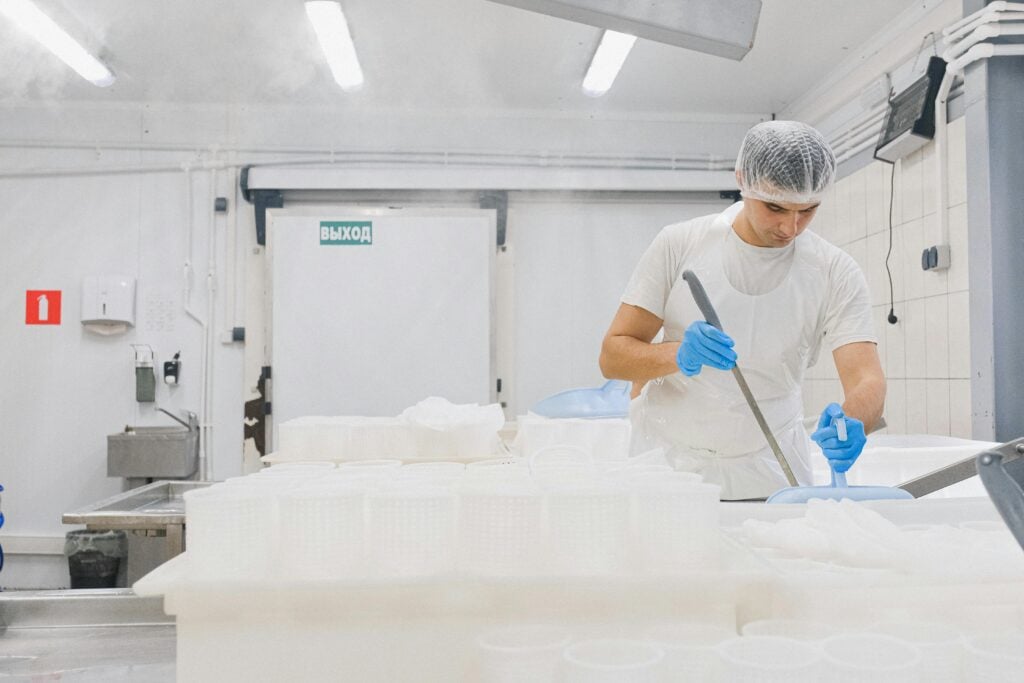
Maintaining high standards of sanitation in food processing facilities is vital to ensure food safety and meet regulatory compliance. Proper sanitation practices help prevent contamination, spoilage, and outbreaks of foodborne illnesses, making them an integral part of the food industry.
Best Practices for Food Plant Sanitation
Routine Cleaning and Disinfection
Regular cleaning of equipment, surfaces, and processing areas is essential. Use approved cleaning agents that specifically target food residues and microorganisms. Follow up with appropriate disinfectants to eliminate pathogens effectively.
Implementing HACCP Systems
Hazard Analysis Critical Control Point (HACCP) systems are critical in identifying potential risks and establishing control measures. This systematic approach enhances sanitation protocols and ensures compliance with food safety standards.
Wet Cleaning Techniques
Wet cleaning is a common method used in food plants to remove debris and biofilms. It involves the use of water, detergents, and sanitizers to thoroughly clean equipment and surfaces, reducing microbial load.
Key Considerations for Sanitation and Compliance
- Selection of suitable cleaning and disinfecting agents based on the equipment and food contact surfaces.
- Training staff on proper sanitation procedures and record-keeping for audit purposes.
- Adherence to industry regulations and guidelines established by authorities such as the FDA and USDA.
Choosing a Sanitation Service Provider
Partnering with experienced sanitation service providers can streamline your food plant cleaning process. Companies like Fayette Contract Sanitation Services, Janitorial Service by Janitorial Professionals, and GDI offer tailored cleaning solutions to meet industry demands.
Conclusion
Maintaining rigorous sanitation and compliance practices are fundamental to producing safe, high-quality food products. By implementing effective cleaning protocols, utilizing HACCP systems, and partnering with reliable sanitation service providers, food processing facilities can uphold food safety standards and protect consumer health.