
Introduction
Maintaining rigorous food plant sanitation is essential for ensuring product safety, meeting industry compliance, and protecting consumer health. As food processing facilities face increasing scrutiny, implementing effective cleaning and sanitation protocols becomes imperative.
Understanding Industry-Specific Cleaning Challenges
Food Processing Plant Cleaning
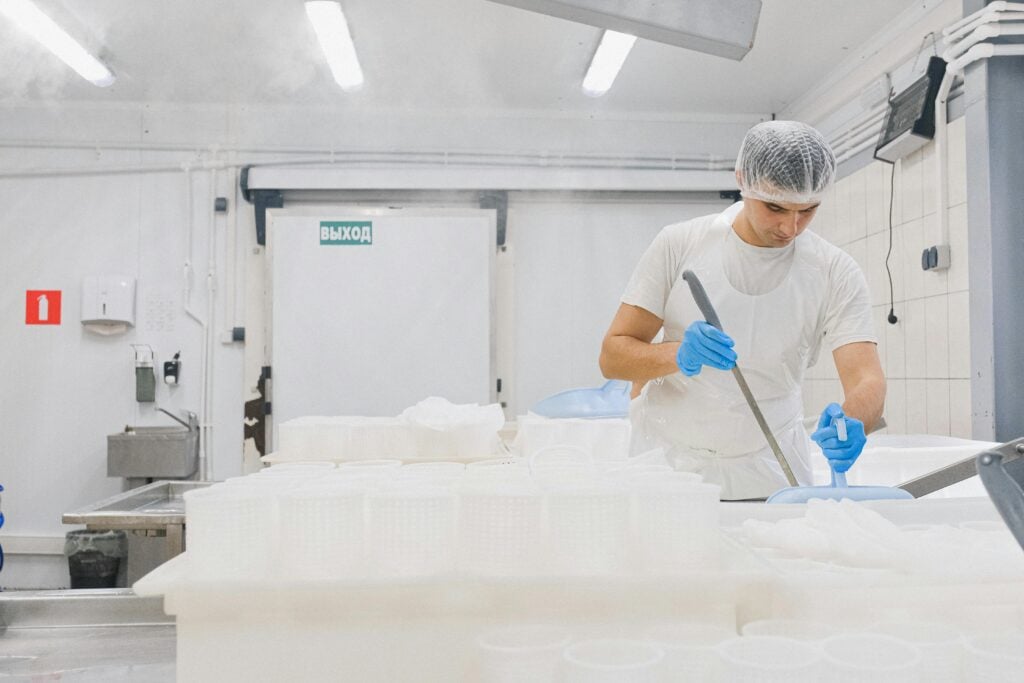
Food processing plants must adhere to strict sanitation standards to prevent cross-contamination and microbial growth. Regular food plant sanitation services are vital for maintaining a hygienic environment that complies with HACCP regulations.
Food Industry Cleaning Best Practices
- Use of specialized cleaning agents designed for food-grade environments
- Implementation of wet cleaning techniques to remove debris and residues
- Routine sanitation audits to ensure adherence to protocols
Key Components of Effective Food Plant Sanitation
HACCP Compliance
Hazard Analysis Critical Control Point (HACCP) systems are a fundamental aspect of food safety. A robust HACCP plan involves identifying potential hazards and establishing control measures to prevent contamination.
Cleaning and Sanitization Processes
Distinguishing between cleaning and sanitizing is crucial. Cleaning removes physical debris, while sanitization reduces microbial populations to safe levels. Both steps are necessary for effective sanitation in food facilities.
Implementing Effective Sanitation Protocols
Best Practices
- Adopt a comprehensive cleaning schedule that covers all critical areas
- Utilize approved disinfectants suitable for food contact surfaces
- Train staff regularly on sanitation procedures and safety measures
Emerging Technologies
Advances such as automated cleaning systems and electrostatic sprayers can enhance sanitation efficiency and consistency, ensuring continuous compliance with food safety standards.
Choosing the Right Sanitation Service Providers
Partnering with qualified contract sanitation companies can help facilities meet rigorous sanitation criteria. Companies like Janitorial services by Janiking, Jan-Pro, and Hydrite offer tailored solutions that align with industry standards.
Conclusion
Effective food plant sanitation is a cornerstone of food safety and regulatory compliance. By implementing targeted cleaning protocols, leveraging emerging technologies, and engaging experienced sanitation providers, food processing facilities can achieve and maintain high standards of cleanliness and safety.
For more information on industry-specific sanitation services, visit Fayette Contract Sanitation Services.