Introduction to Food Industry Sanitation
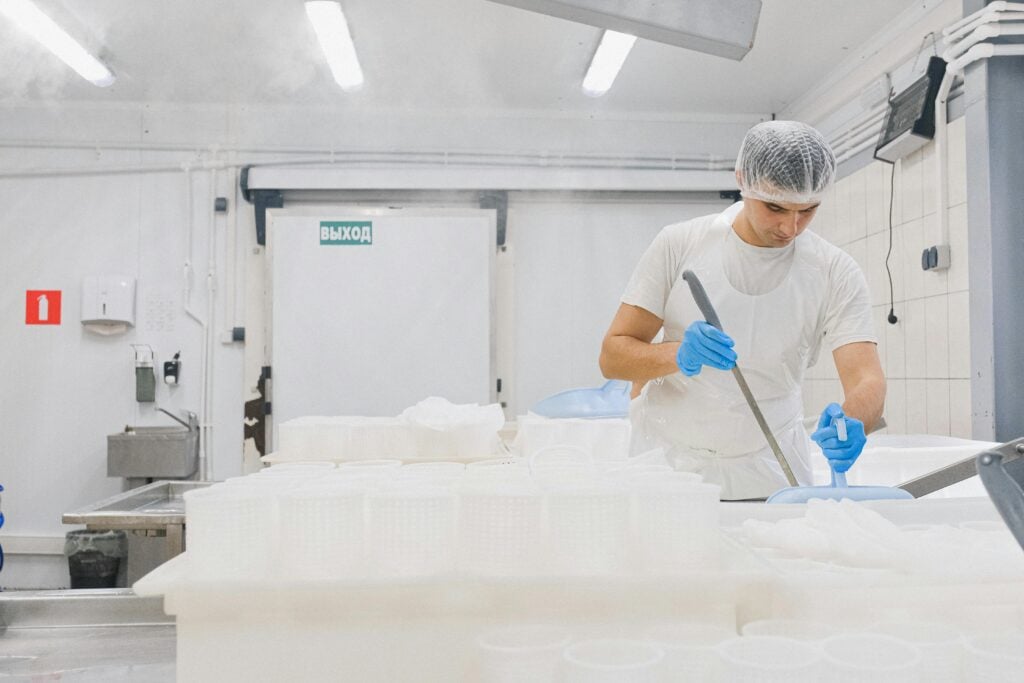
Maintaining high standards of food safety and sanitation in food processing plants is crucial to prevent contamination and ensure consumer health. Effective sanitation practices are a cornerstone of compliant and efficient food production operations.
The Importance of Sanitization in Food Processing
Proper sanitation in the food industry encompasses cleaning and disinfecting surfaces, equipment, and facilities to control microbial growth and prevent cross-contamination. This practice not only adheres to regulatory standards but also supports brand reputation and consumer confidence.
Key Components of Food Plant Sanitation Services
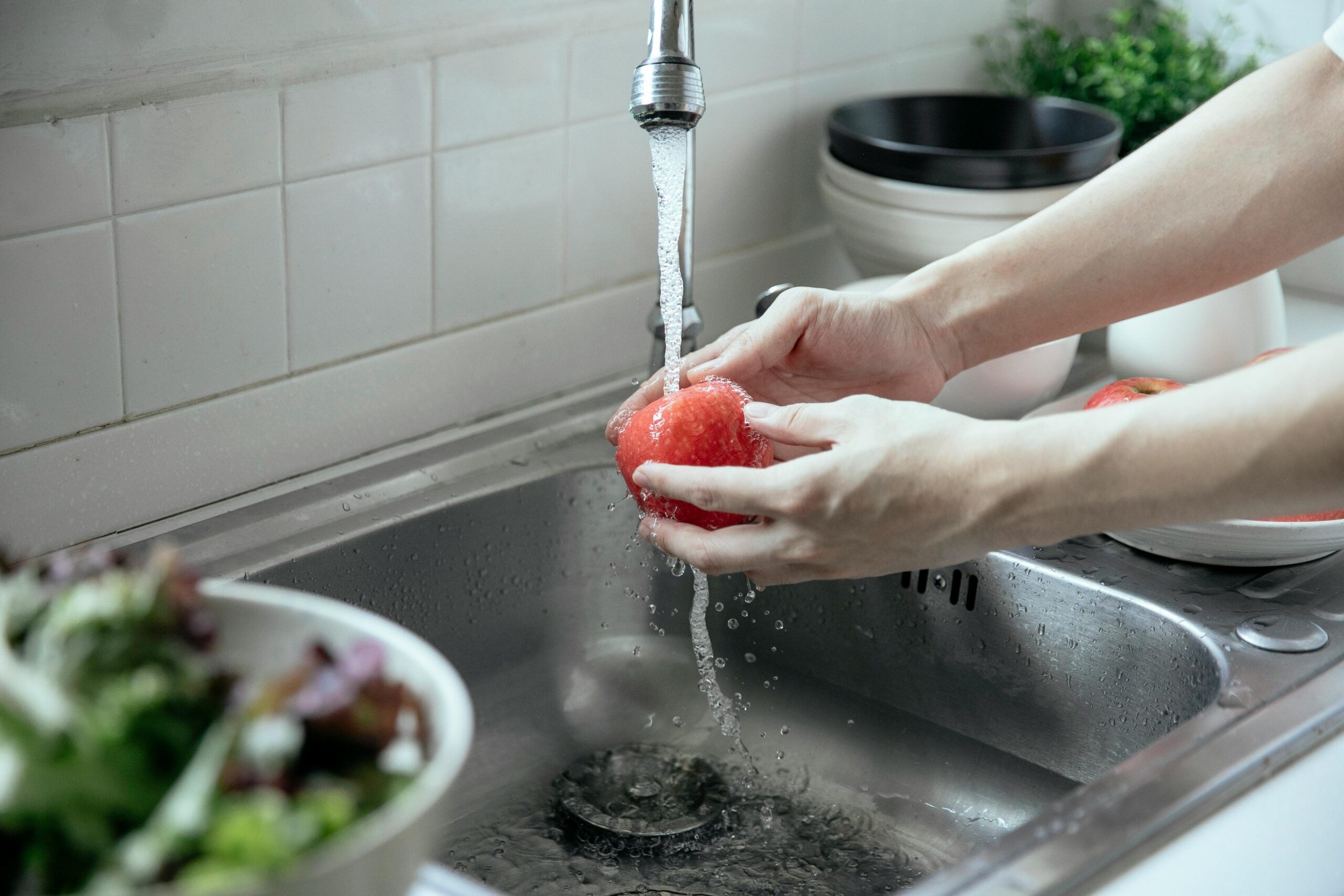
- Cleaning in food industry: Removal of dirt, organic matter, and debris from surfaces using specialized cleaning agents tailored for food processing environments.
- Disinfection: Application of approved disinfectants to eliminate harmful microorganisms that can cause foodborne illnesses.
- HACCP Compliance: Implementing Hazard Analysis and Critical Control Point programs to identify and control potential hazards.
- Wet Cleaning Methods: Utilizing wet cleaning techniques to ensure thorough sanitation of equipment and surfaces.
Choosing the Right Sanitation Service Provider
Selecting an experienced sanitation provider is vital for achieving compliance and maintaining the safety standards of a food processing plant. Reputable companies such as Fayette Contract Sanitation Services, Janiking, and Jan-Pro offer comprehensive solutions tailored for food industry needs.
Strategies for Effective Food Plant Sanitization
Standard Operating Procedures (SOPs)
Develop and implement SOPs for cleaning and sanitizing processes, including schedules, methods, and approved cleaning agents. Regular training for staff on these procedures enhances effectiveness and ensures consistency.
Validation and Monitoring
Conduct routine microbiological testing and inspection to validate cleaning effectiveness. Monitoring critical control points helps identify areas needing improvement.
Documentation and Record-Keeping
Maintain detailed records of sanitation activities to demonstrate compliance during audits and inspections. Proper documentation supports continuous improvement efforts.
Regulatory Compliance and Industry Standards
Adherence to regulations such as the FDA Food Code, USDA standards, and local health department guidelines is essential. Sanitation practices should align with HACCP principles to mitigate risks and ensure safe food production.
Conclusion
Effective sanitation in the food industry is an ongoing process that requires diligence, proper equipment, and trained personnel. Partnering with professional sanitation service providers can facilitate compliance, improve operational efficiency, and uphold the safety of the food supply chain.