Introduction to Food Plant Sanitation
In the food processing industry, maintaining impeccable sanitation standards is crucial to ensure food safety and compliance with regulatory requirements. Food plant sanitation services play a vital role in preventing contamination, extending shelf life, and ensuring product quality. This article explores effective sanitation strategies, best practices, and the importance of partnering with experienced sanitation service providers.
The Importance of Food Plant Sanitation
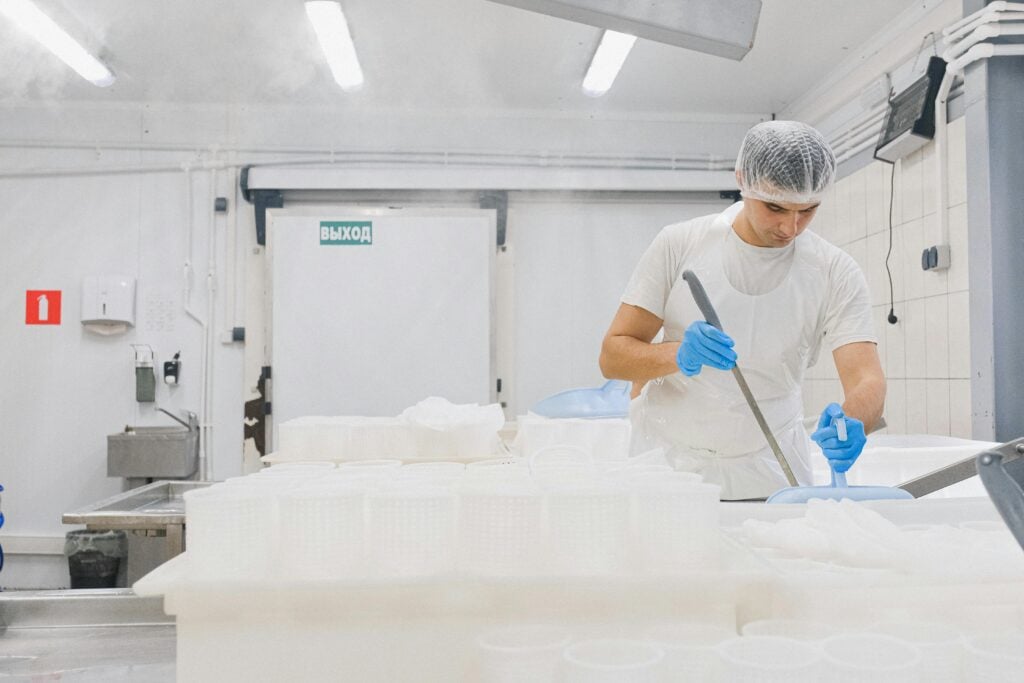
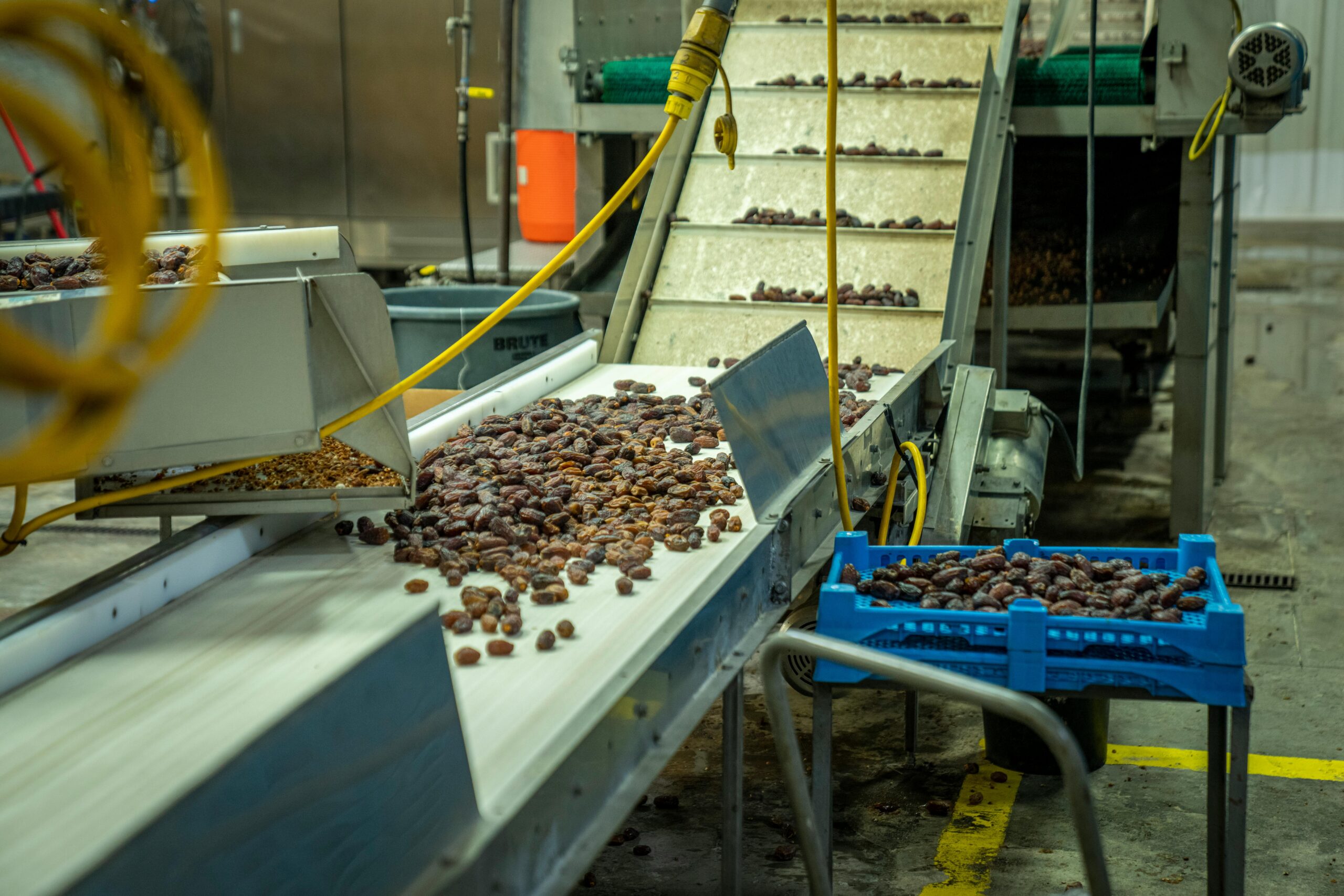
Proper sanitation in food processing facilities is essential to prevent the spread of pathogenic microorganisms and meet strict food safety standards. Regular cleaning and sanitization reduce the risk of cross-contamination and help maintain a hygienic environment for food production.
Key Benefits of Effective Sanitation
- Ensures compliance with HACCP and other regulatory frameworks
- Protects consumer health and enhances brand reputation
- Reduces downtime due to contamination issues
- Minimizes spoilage and waste
Core Components of Food Plant Sanitation
Cleaning vs. Sanitizing
Understanding the difference between cleaning and sanitizing is fundamental. Cleaning involves removing visible dirt, debris, and residues, while sanitizing significantly reduces microbial load to safe levels. Sanitization practices must follow a structured protocol to ensure efficacy.
Effective Sanitation Practices
- Use of approved cleaning agents and sanitizers that are compatible with food processing equipment
- Regular cleaning schedules tailored to specific areas and equipment
- Application of wet cleaning techniques for thorough sanitation
- Employee training on sanitation procedures
Implementing HACCP in Food Processing
The Hazard Analysis and Critical Control Point (HACCP) system is a proactive approach to food safety. Incorporating sanitation within HACCP plans helps identify critical control points where contamination risks are highest.
Partnering with Sanitation Service Providers
Outsourcing sanitation to experienced providers can ensure consistent, thorough cleaning. Companies like Fayette Contract Sanitation Services, Janiking, Jan-Pro, and GDI offer specialized solutions tailored to food industry needs.
Emerging Trends in Food Plant Sanitation
Innovative Cleaning Technologies
New technologies such as steam cleaning, ionized water, and eco-friendly disinfectants enhance sanitation efficacy while reducing chemical usage.
Focus on Sustainability
Adopting environmentally responsible sanitation practices can improve sustainability profiles and reduce operational costs.
Conclusion
Maintaining high levels of sanitation in food processing plants is essential for food safety, regulatory compliance, and overall operational efficiency. Collaborating with experienced sanitation service providers ensures your facility remains hygienic and compliant, safeguarding both consumers and brand integrity. Regular training, adherence to HACCP principles, and embracing innovations are key factors for success in food plant sanitation.