Ensuring Food Safety Through Effective Food Plant Sanitation
In the food processing industry, maintaining impeccable sanitation standards is paramount to guarantee product safety and comply with regulatory requirements. Proper sanitation protocols not only prevent cross-contamination but also extend the longevity of food processing equipment. This article explores best practices for food plant sanitation, essential cleaning techniques, and strategic partnerships with sanitation service providers.
Understanding the Role of Sanitation in Food Plant Safety
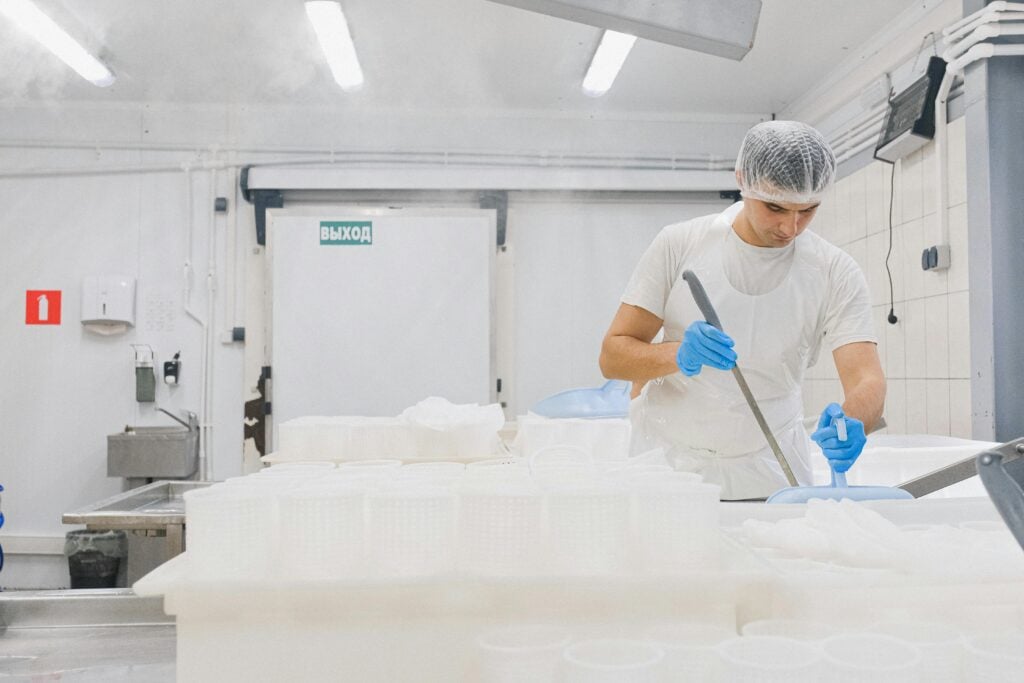
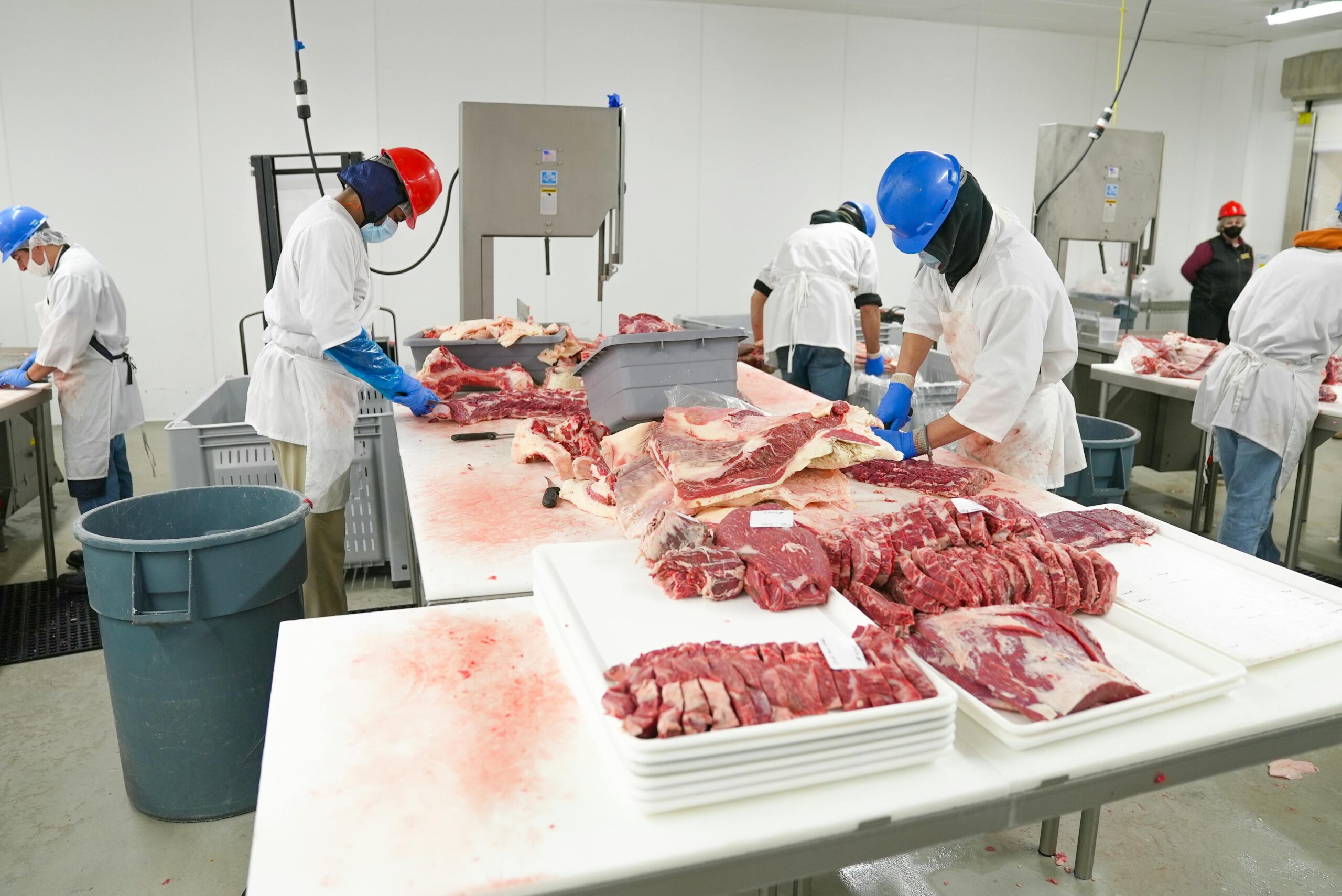
Food sanitation encompasses a series of procedures aimed at eliminating harmful microorganisms from surfaces, equipment, and facilities. An effective food plant sanitation program ensures that food products are manufactured in a safe environment, significantly reducing the risk of outbreaks and recalls.
Best Practices for Food Plant Sanitation
- Routine Cleaning and Sanitizing: Establish a cleaning schedule that targets high-touch surfaces, processing equipment, and hard-to-reach areas.
- Use of Approved Cleaning Agents: Select sanitizers and disinfectants that meet industry standards and are approved for food processing environments.
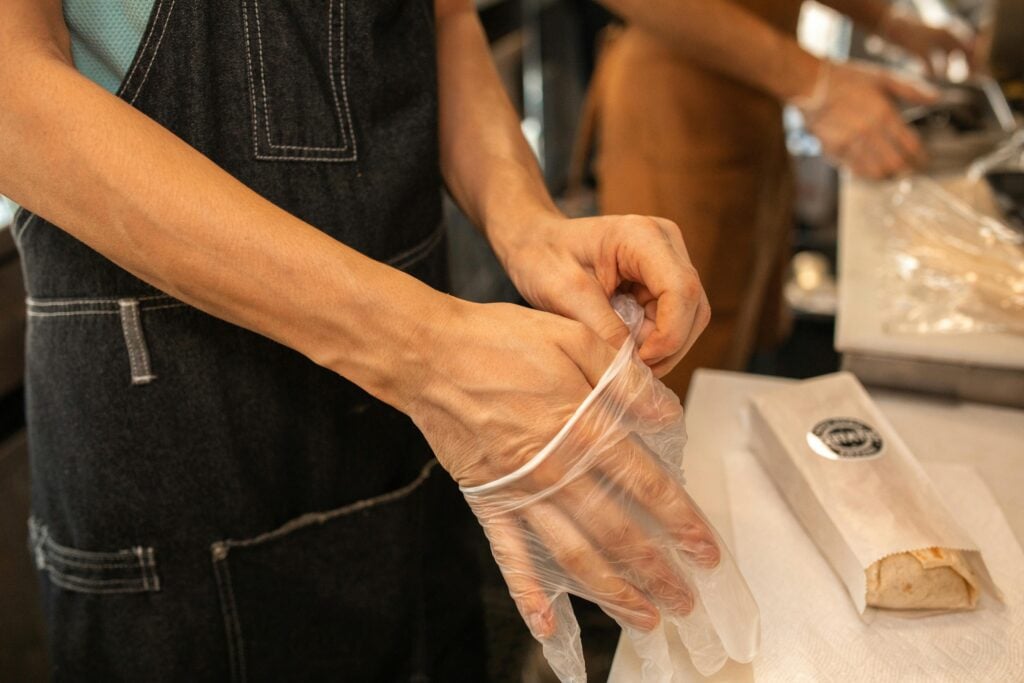
- Employee Training: Regularly train staff on proper cleaning techniques and hygiene practices to ensure compliance and consistency.
- Monitoring and Documentation: Implement a system for recording sanitation activities and conducting microbial testing to verify effectiveness.
- Equipment Maintenance: Regularly inspect and maintain cleaning equipment to ensure optimal performance.
Essential Cleaning Techniques in Food Industry
Wet Cleaning Methods
Wet cleaning involves the use of water and cleaning solutions to remove dirt, debris, and microbial contaminants from surfaces. This method is fundamental in preventing the buildup of organic matter that can harbor bacteria.
Dry Cleaning & Disinfection
Dry cleaning techniques are used for areas where water use is limited or could cause damage. Followed by disinfection, this approach is crucial in maintaining surfaces free from pathogens without the use of excessive moisture.
Partnering with Sanitation Service Providers
While in-house sanitation teams are vital, partnering with experienced contract sanitation companies can enhance overall food safety efforts. Reliable providers like Fayette Contract Sanitation Services offer customized solutions tailored to food processing facilities. Other reputable firms include Janiking and Jan-Pro.
Regulatory Compliance and Sanitation Audits
Adhering to standards such as the HACCP system and conducting regular audits are critical components of maintaining sanitary conditions. Proper documentation and proactive inspections help facilities stay in compliance with food safety laws and industry best practices.
Conclusion
Implementing rigorous sanitation protocols within food plants is essential for safeguarding public health, ensuring compliance, and maintaining consumer trust. By employing effective cleaning practices, utilizing qualified sanitation service providers, and adhering to industry regulations, food processing facilities can achieve high standards of hygiene and operational excellence.