Introduction to Food Plant Sanitation and Its Industry Significance
In the food processing industry, sanitation is a critical factor that influences not only product quality but also compliance with strict government regulations. Proper sanitation practices in food plants help prevent cross-contamination, protect consumer health, and ensure adherence to Fayette Contract Sanitation Services standards.
Understanding the Role of Sanitation in Food Safety
What Is Food Plant Sanitation?
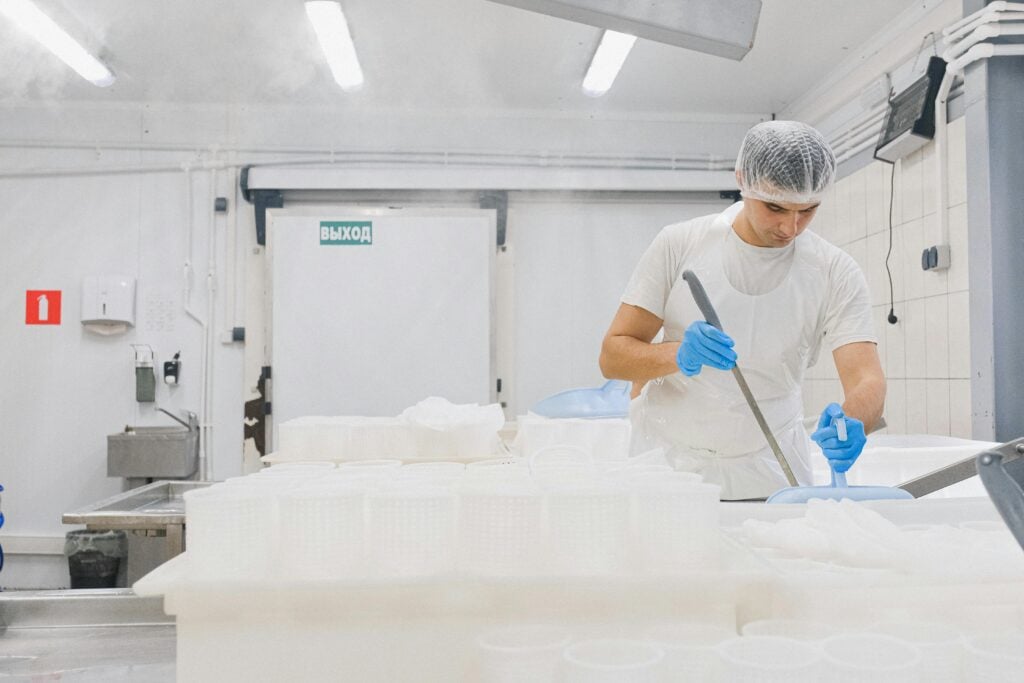
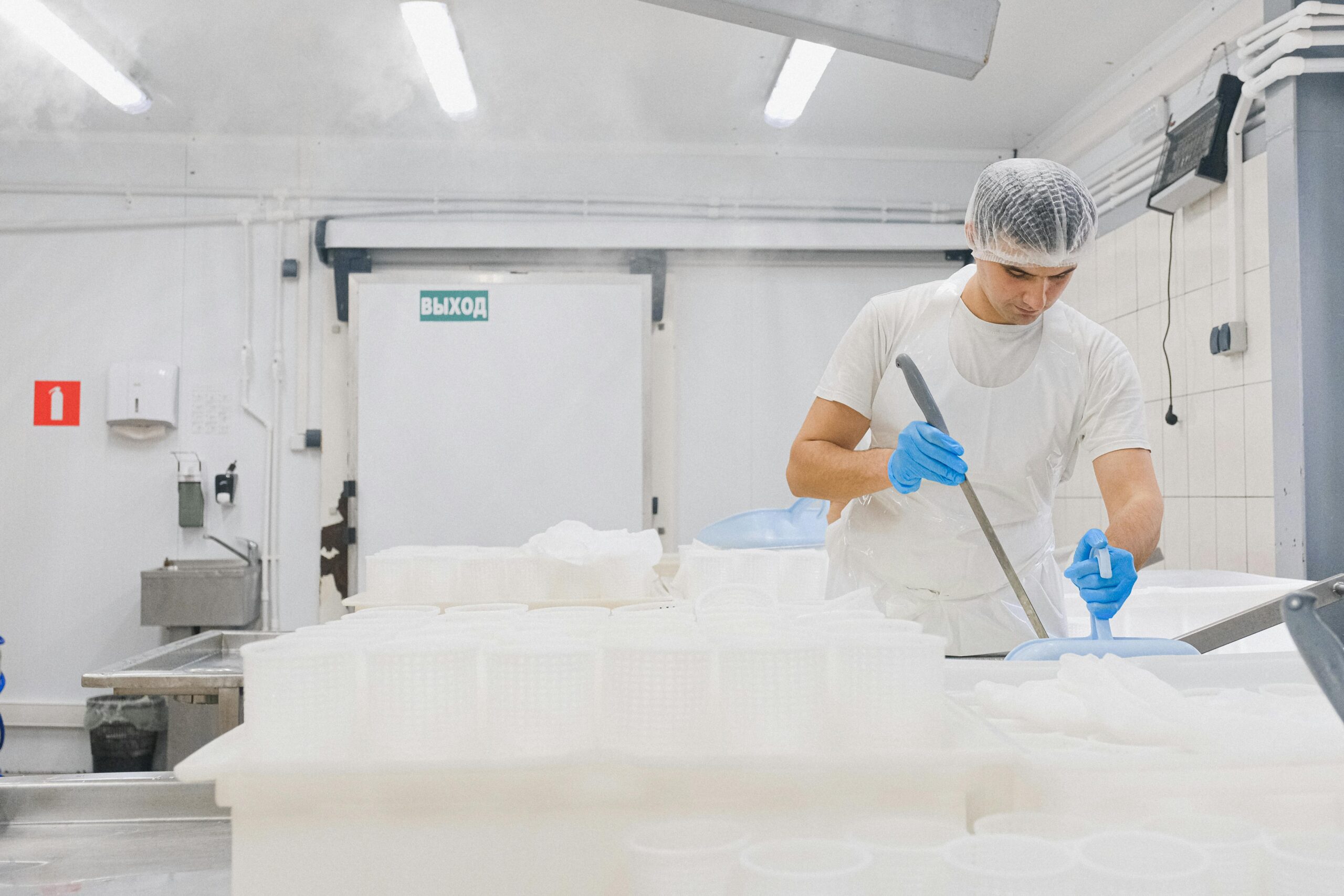
Food plant sanitation involves systematic cleaning and disinfecting processes designed to eliminate food residues, bacteria, and other potential contaminants from equipment, surfaces, and environments within food processing facilities.
Key Aspects of Effective Sanitation
- Regular cleaning routines based on production schedules
- Use of approved cleaning agents and sanitizers
- Proper training for sanitation personnel
- Documentation and verification of cleaning activities
Best Practices for Food Processing Facility Sanitation
Implementing a Robust HACCP System
A HACCP (Hazard Analysis Critical Control Point) system enables food companies to identify and control potential hazards linked to sanitation, thus maintaining food safety throughout processing operations.
Cleaning vs. Disinfection: Knowing the Difference
Cleaning removes dirt and debris, while disinfection kills bacteria and viruses. Both are essential steps in a comprehensive sanitation plan to ensure every surface is safe for food contact.
Wet Cleaning Techniques in Food Industry
Wet cleaning involves the application of water, detergents, and sanitizers on equipment and surfaces. It is particularly effective in removing organic residues that can harbor pathogens.
Choosing the Right Sanitation Service Providers
Partnering with experienced sanitation companies such as Fayette Contract Sanitation Services, Janiking, or GDI can enhance your sanitation processes, ensure regulatory compliance, and improve overall food safety outcomes.
Stay Compliant and Maintain High Standards
Consistent sanitation, thorough record-keeping, and supplier verification are pillars of maintaining industry compliance. Regular audits and staff training are also vital to uphold sanitation standards.
Conclusion
Implementing a comprehensive sanitation program in food processing plants not only advances food safety but also supports regulatory compliance and consumer confidence. Select reliable sanitation service providers and adopt best practices to keep your facility safe and compliant in a competitive industry landscape.