Introduction to Food Plant Sanitation
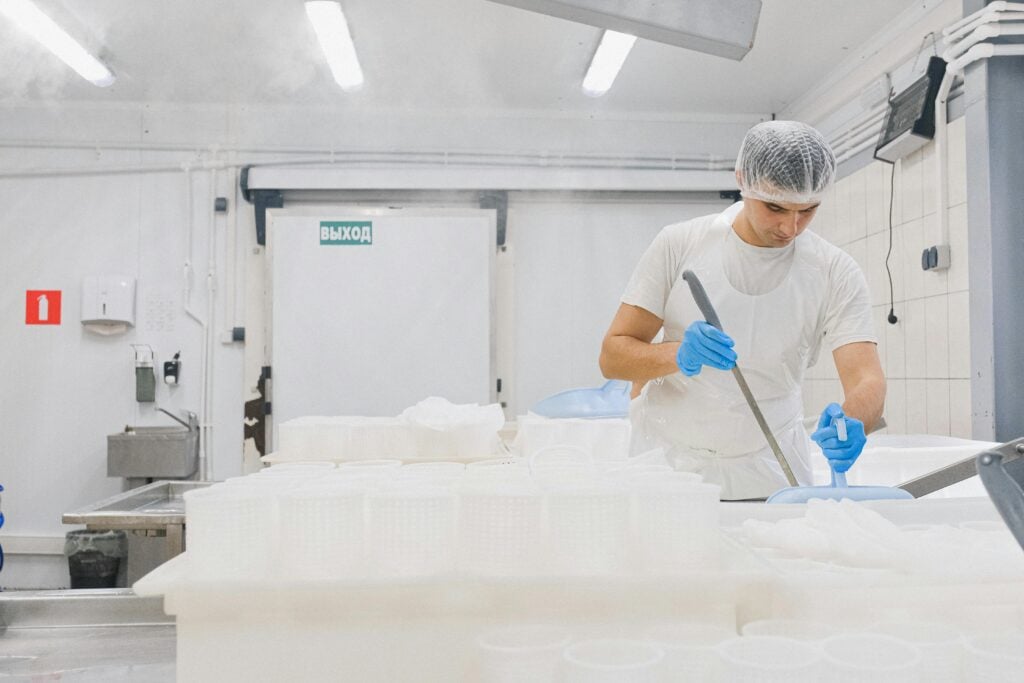
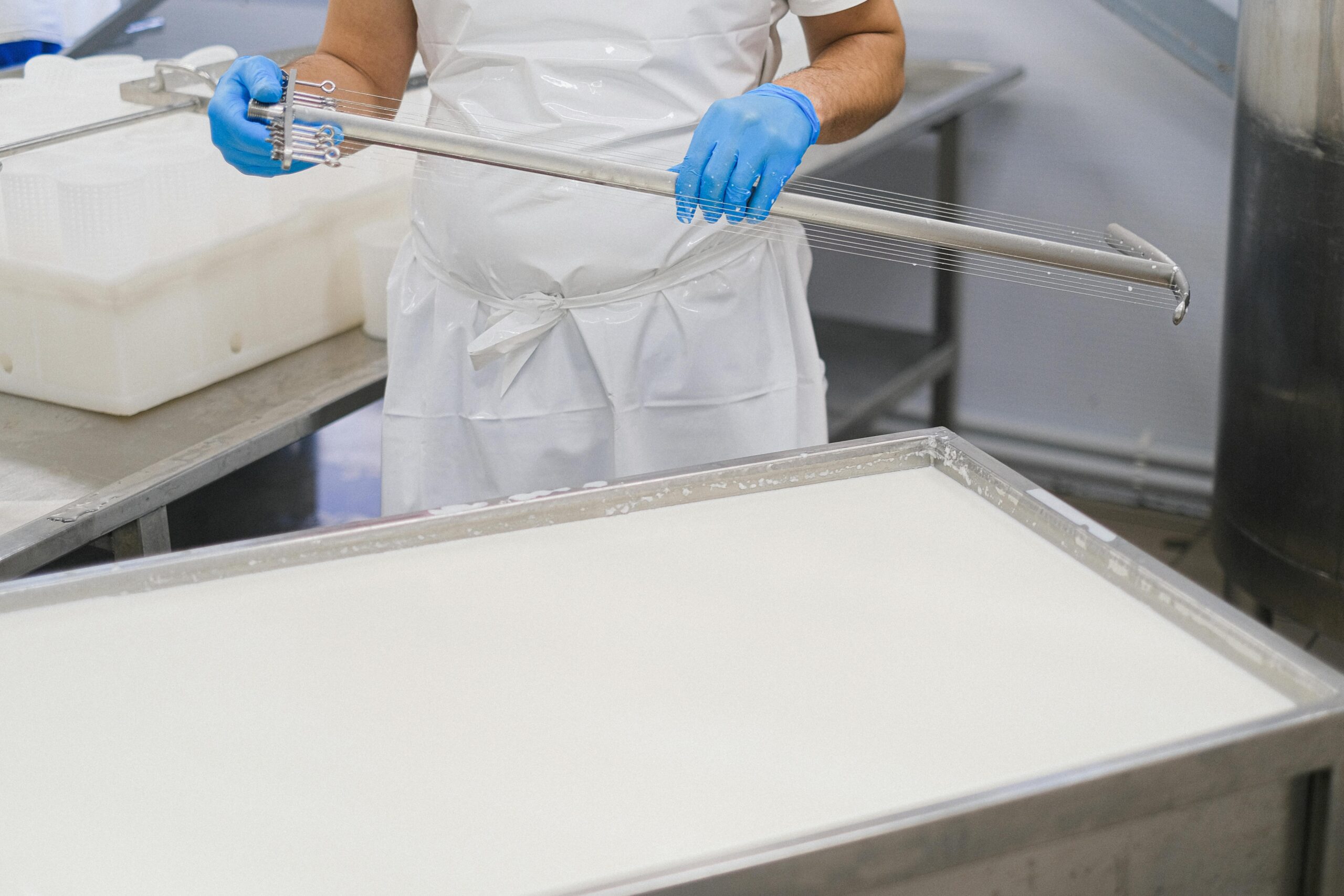
Maintaining hygiene and cleanliness in food processing facilities is crucial for ensuring food safety and complying with industry regulations. Sanitation strategies directly impact the quality of food products and consumer health. This article explores effective sanitation methods, compliance standards, and the latest trends in industrial sanitation, specifically tailored for food processing plants.
The Importance of Food Plant Sanitation
Proper sanitation in food processing environments prevents cross-contamination, reduces pathogen prevalence, and promotes product integrity. Regular cleaning coupled with effective sanitization protocols helps in maintaining a hygienic environment that not only complies with the Fayette Contract Sanitation Services standards but also enhances overall operational efficiency.
Core Sanitation Techniques in Food Processing Facilities
Wet Cleaning
Wet cleaning involves the use of water, detergents, and sanitizers to remove dirt, organic matter, and microbes from surfaces. It is an essential step before applying disinfectants to ensure maximum efficacy.
Disk and Foam Cleaning
Specialized cleaning methods like disk and foam cleaning target hard-to-reach areas, equipment, and conveyors, ensuring a high level of sanitation, especially in hard surfaces prone to biofilm formation.
Dry and Steam Cleaning
For delicate equipment or surfaces sensitive to moisture, dry and steam cleaning techniques provide effective pathogen removal without the use of chemicals.
Sanitization and Industry Standards
Sanitization reduces microbial load to safe levels, which is often mandated by HACCP regulations. The key is to choose the correct sanitizer and contact time suitable for the specific surface or equipment.
Compliance and Best Practices
- Adherence to HACCP protocols
- Regular cleaning and sanitizing schedules
- Use of approved cleaning agents and disinfectants
- Documentation and record-keeping of sanitation activities
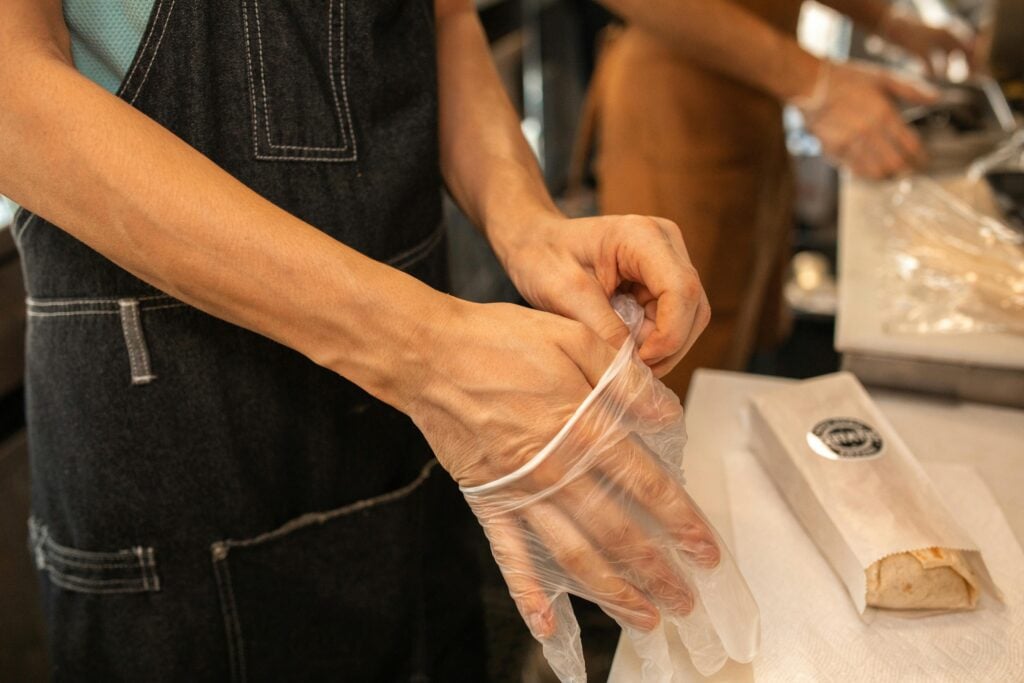
- Employee training on sanitation procedures
Integrating Technology into Food Sanitation
Emerging technologies such as UV-C light, ozone sanitation, and robotic cleaning solutions are gaining popularity in food plants. These innovations offer consistent, efficient, and sustainable sanitation options.
Choosing a Sanitation Service Provider
Partnering with professional sanitation service providers, such as Fayette Contract Sanitation Services, ensures adherence to industry standards and helps streamline sanitation processes. Other reputable companies include Janiking and Jan-Pro.
Conclusion
Effective sanitation in food processing plants is a complex, yet essential component of food safety management. By adopting advanced cleaning techniques, complying with regulatory standards, and leveraging technology, food facilities can uphold hygiene and safety standards that protect consumers and enhance operational performance.