
Introduction to Food Plant Sanitation and Cleaning
Maintaining a clean and sanitized environment in food processing plants is essential for ensuring food safety and meeting industry standards. This guide explores effective cleaning practices, understanding sanitation protocols, and how to implement them in your facility.
Understanding Food Plant Sanitation
What is Food Plant Sanitation?
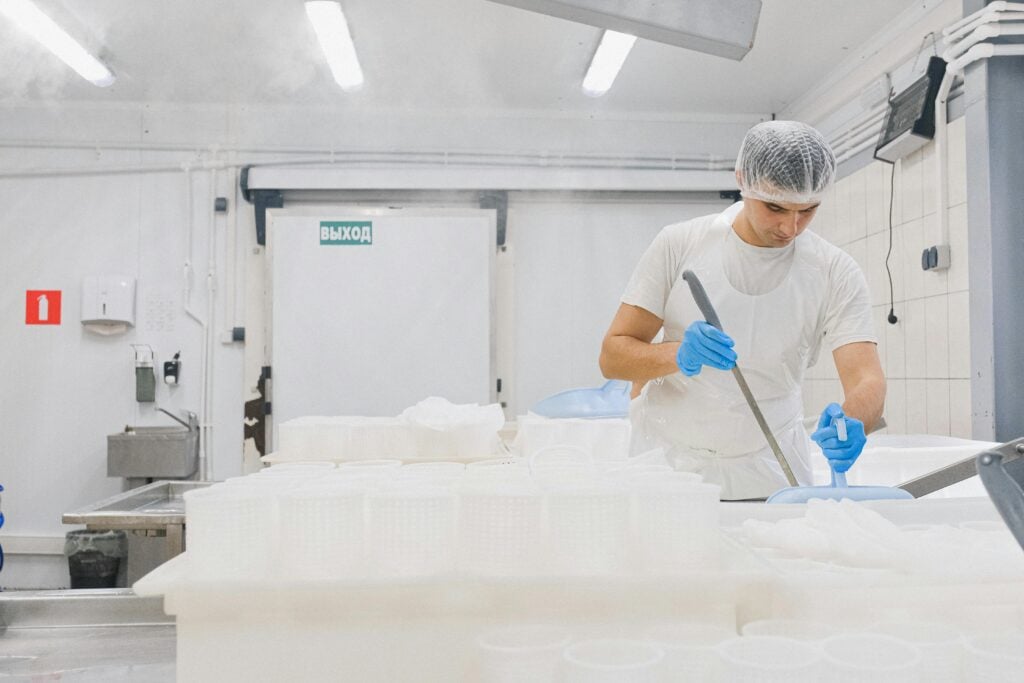
Food plant sanitation involves the systematic removal of dirt, debris, and microbial contaminants on equipment, surfaces, and facilities to prevent cross-contamination and ensure product safety. Proper sanitation goes beyond cleaning; it incorporates specific microbiological controls tailored for food processing environments.
Effective Cleaning Strategies in Food Processing
Common Cleaning Methods
- Wet Cleaning: Utilizing water and detergents to remove soils, often the first step in sanitation protocols.
- Dry Cleaning: Removing dry debris physically when water use isn’t feasible.
- High-Pressure Washing: Employing powerful jets to clean hard-to-reach areas.
Steps for Food Industry Cleaning
- Pre-rinse surfaces to remove loose debris.
- Apply appropriate cleaning agents, ensuring compatibility with equipment.
- Scrub surfaces as needed to dislodge stubborn soils.
- Rinse thoroughly to remove residual detergents.
- Sanitize using approved disinfectants to kill microbes.
- Allow surfaces to air dry or use clean towels.
Sanitation Protocols and Compliance
Importance of HACCP in Food Safety
Hazard Analysis and Critical Control Points (HACCP) is a preventive approach that identifies potential food safety hazards and implements controls to minimize risks. Sanitation and cleaning are core components of HACCP plans, ensuring continuous compliance.
Choosing the Right Sanitation Supplies
- Food-grade detergents and sanitizers certified for direct food contact.
- Proper use of chemicals following manufacturers’ instructions.
- Routine equipment validation and monitoring to verify sanitation effectiveness.
Partnering with Sanitation Service Providers
Employing reputable Fayette Contract Sanitation Services or other trusted providers like Janitorial Service Providers can help maintain high sanitation standards. These companies offer specialized services tailored for food processing facilities, ensuring compliance and safety.
Conclusion
Effective sanitation in food processing plants is vital for product integrity and regulatory compliance. Implementing structured cleaning protocols, leveraging proper equipment and chemicals, and partnering with experienced sanitation providers can significantly enhance your facility’s safety profile.
For more information on food plant sanitation services and industry standards, visit Fayette Sanitation.