Introduction to Food Plant Sanitation and Its Impact on Food Safety
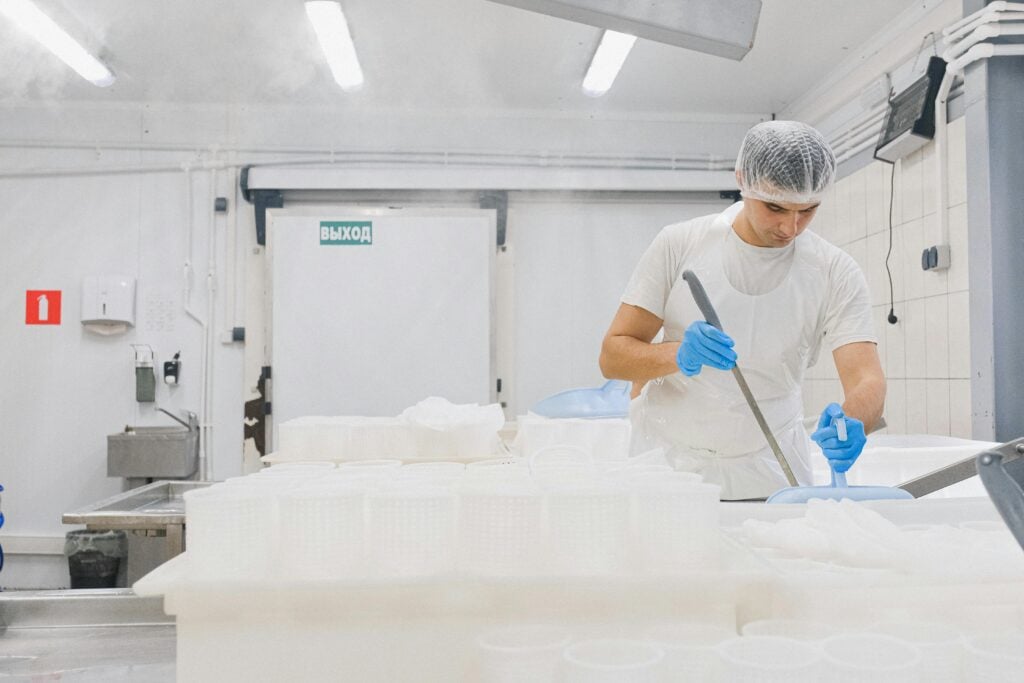
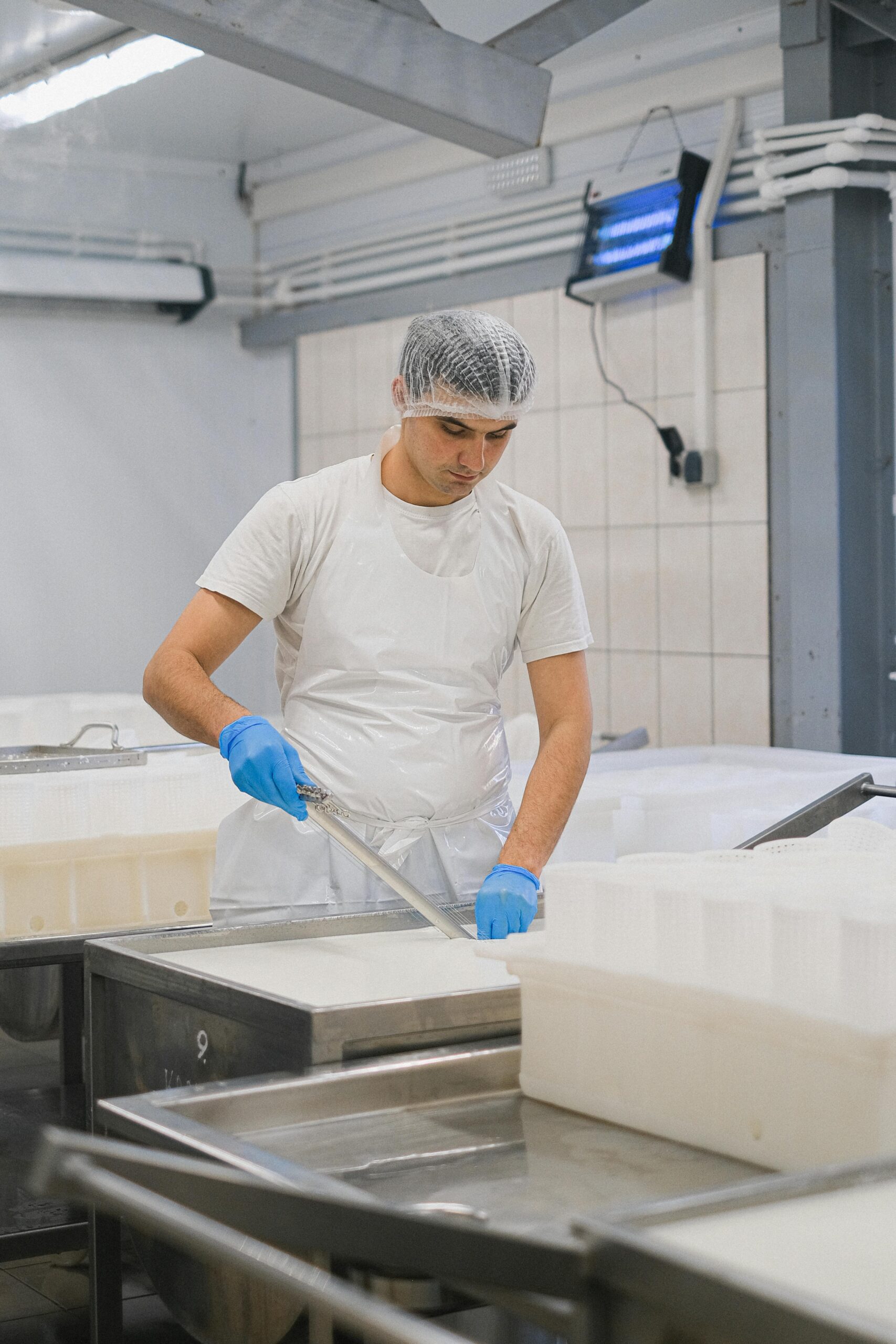
Maintaining high standards of food plant sanitation is essential for ensuring food safety and regulatory compliance. Regular and thorough cleaning protocols prevent cross-contamination and microbial growth, safeguarding consumer health and protecting brand integrity.
Key Components of Effective Food Plant Sanitation
Comprehensive Cleaning Procedures
- Use of FDA- and USDA-approved cleaning agents suitable for food contact surfaces
- Implementation of wet cleaning techniques to remove dirt, debris, and residues effectively
- Adherence to cleaning schedules aligned with processing activities
Sanitization and Disinfection Strategies
- Application of sanitizers that are microbiologically effective and compatible with food processing equipment
- Regular disinfection of high-touch surfaces and hard-to-reach areas
- Verification through microbiological testing to ensure sanitation efficacy
Importance of HACCP Compliance in Food Plant Sanitation
The Hazard Analysis and Critical Control Point (HACCP) system is integral to proactively managing food safety risks. Proper sanitation practices form a critical part of HACCP plans, preventing microbial hazards and ensuring compliance with safety standards.
Steps to Align Sanitation with HACCP
- Identify sanitation as a Critical Control Point (CCP)
- Establish sanitation procedures and critical limits
- Conduct routine verification and record-keeping for accountability
Training and Documentation
- Provide staff with training on sanitation best practices and food safety regulations
- Maintain detailed sanitation logs and audit readiness documentation
Choosing the Right Commercial Sanitation Service Provider
Partnering with a reliable commercial sanitation service provider enhances your food facility’s sanitation programs. Companies like Fayette Contract Sanitation Services offer tailored cleaning solutions that emphasize microbiological safety and regulatory standards.
Other reputable companies include Jan-King and Jan-Pro, which provide customized sanitation services aimed at food processing environments.
Conclusion
Implementing rigorous sanitation protocols in food processing facilities is fundamental to delivering safe products and ensuring compliance with food safety standards. Investments in proper cleaning, sanitizing, and partnering with experienced sanitation providers are key to maintaining a competitive and safe food production environment.
Learn more about maintaining high standards of food plant sanitation and connect with reputable sanitation service providers to ensure your facility meets all safety and regulatory requirements.