Introduction to Sanitization in Food Processing
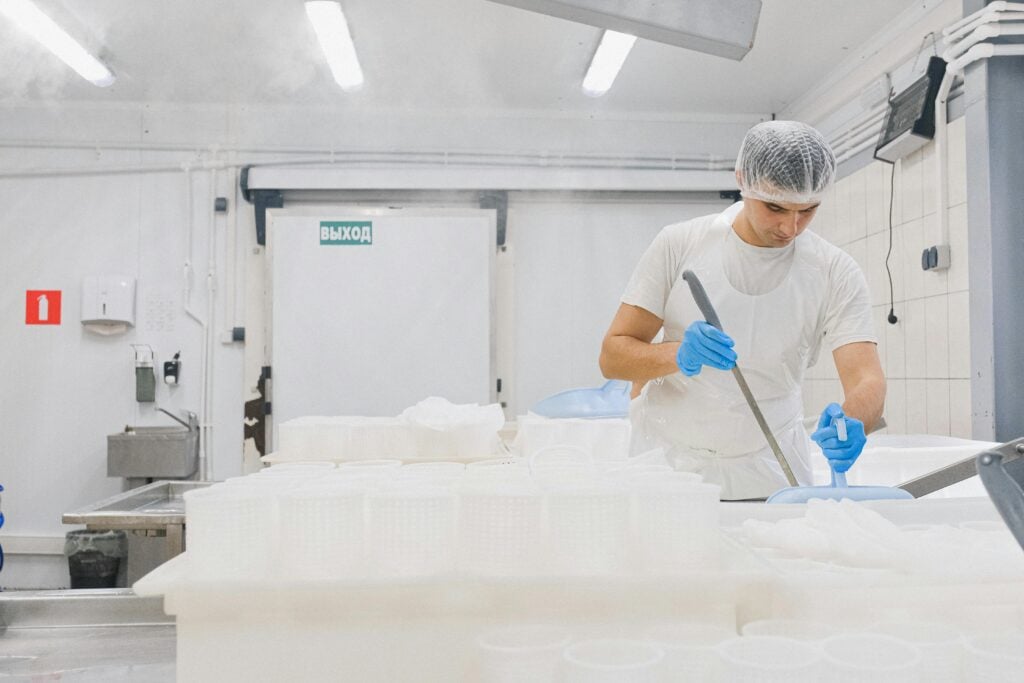
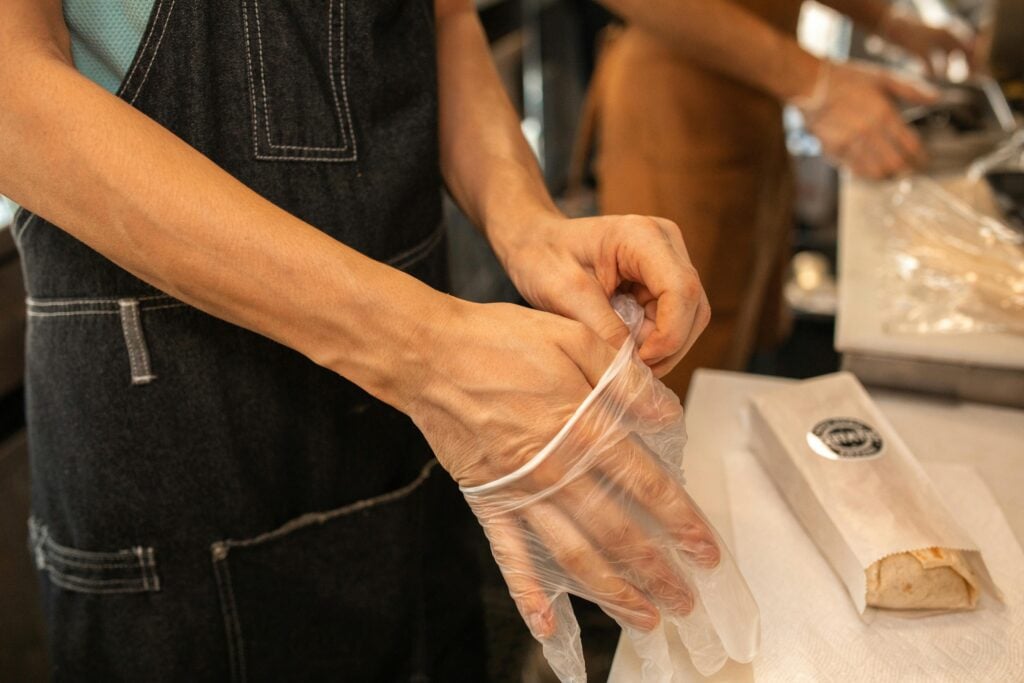
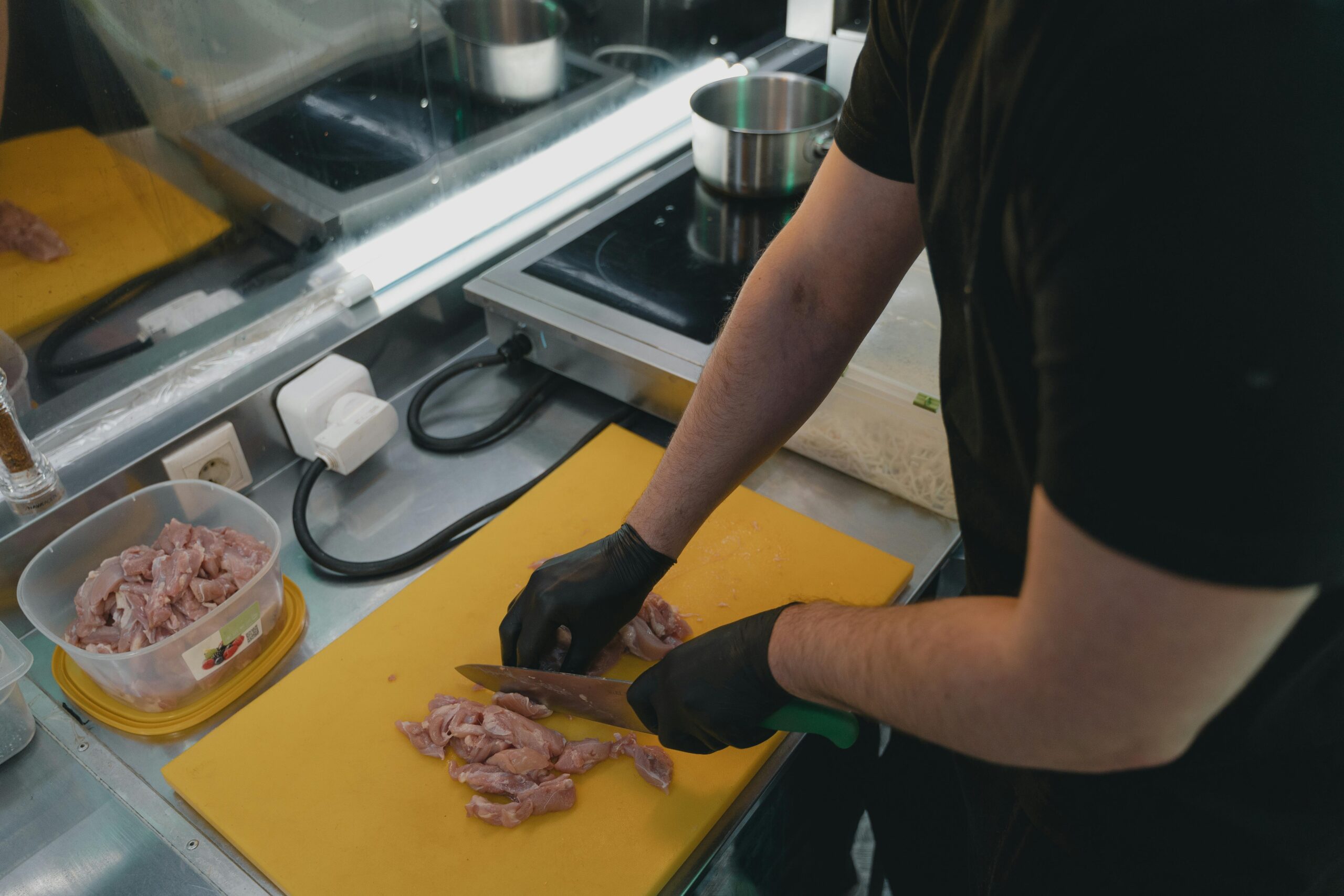
Maintaining hygiene standards through effective sanitization is vital for food processing facilities to ensure food safety, comply with regulations, and prevent contamination. The process of sanitization involves reducing microbial counts on equipment, surfaces, and food contact areas to safe levels.
Understanding the Significance of Proper Sanitization
In food processing plants, food plant sanitation services help safeguard consumer health, preserve product quality, and meet regulatory mandates. Proper sanitization also minimizes the risk of cross-contamination between raw and cooked foods and reduces the incidence of foodborne illnesses.
Key Components of Effective Food Plant Sanitization
1. Routine Cleaning and Wet Cleaning Procedures
Consistent cleaning, especially using wet cleaning methods, helps remove dirt, debris, and organic material that can harbor bacteria. This step sets the foundation for effective sanitization.
2. Selecting Suitable Sanitation Agents
Choosing the correct sanitizers, such as chlorine compounds, quaternary ammonium, or other approved chemical agents, ensures microbial reduction while being safe for food contact surfaces. Consult GDI or Ecolab for advanced sanitization solutions tailored to food processing environments.
3. Implementing HACCP-Based Sanitation Programs
A HACCP (Hazard Analysis and Critical Control Point) plan guides sanitation practices by identifying critical control points to prevent microbial hazards effectively.
Best Practices in Food Plant Sanitation
- Follow manufacturer instructions when applying sanitizers to ensure efficacy.
- Pay special attention to hard-to-reach areas, equipment joints, and food contact surfaces.
- Maintain proper contact times and temperatures for sanitizing agents.
- Ensure proper training for sanitation staff on procedures and safety protocols.
- Keep detailed records of sanitation activities for compliance and audit purposes.
Automating and Enhancing Sanitation Protocols
Modern sanitation in food processing incorporates automated systems like foam cleaning, high-pressure washing, and UV sterilization to improve efficiency and consistency. Partnering with reputable Jan-Pro or Hydrite can bring advanced solutions to your facility.
Additional Resources and Service Providers
For comprehensive sanitation solutions, consider engaging with providers such as Fayette Contract Sanitation Services, or explore additional options from Janiking and GDI.