Optimizing Industrial and Food Processing Sanitation for Safety and Compliance
Maintaining impeccable sanitation standards in industrial and food processing environments is critical for ensuring food safety, adhering to regulatory requirements, and minimizing the risk of contamination. Effective cleaning and sanitization practices support operational efficiency and protect public health.
Understanding the Importance of Industrial and Food Plant Sanitation
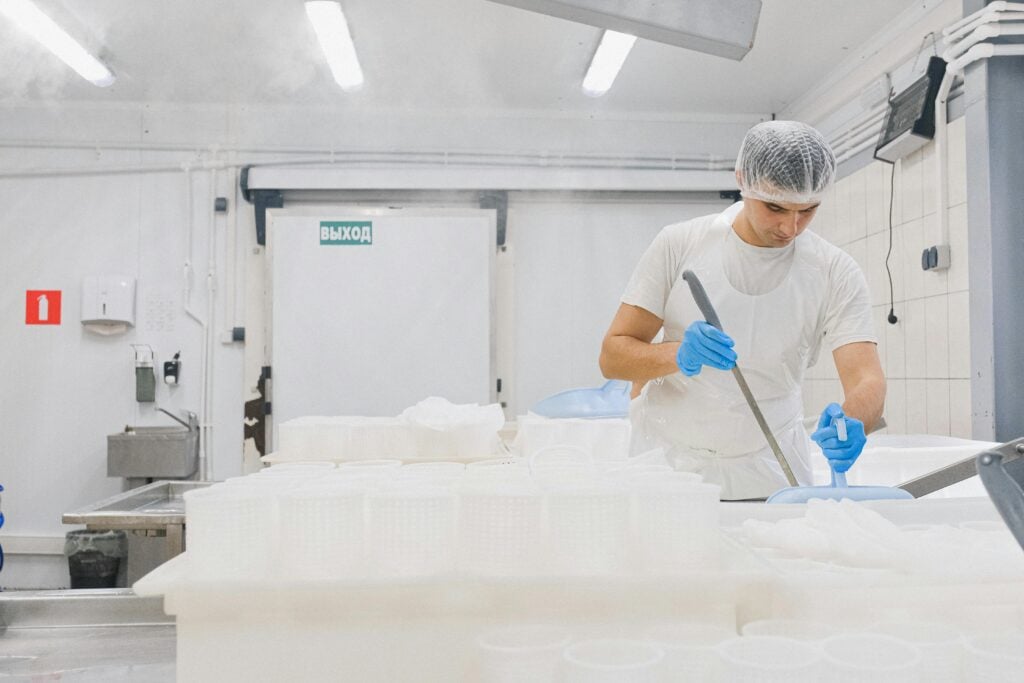
In food processing facilities, sanitation is more than routine cleaning — it is a fundamental component of food safety management systems, including HACCP (Hazard Analysis and Critical Control Points). Regular sanitation helps eliminate bacteria, viruses, and other pathogens that can compromise product integrity and consumer health.
Key Components of Effective Sanitation Programs
- Comprehensive Cleaning Procedures: Use of appropriate cleaning agents and methodologies, such as wet cleaning, to remove dirt, organic material, and residues.
- Sanitization Methods: Applying sanitizers that meet industry standards to reduce microbial load on surfaces.
- Routine and Deep Cleaning: Scheduled cleaning routines supplemented with periodic deep cleaning of equipment and production lines.
- Employee Training: Ensuring staff are trained in sanitation protocols and the correct use of cleaning chemicals.
Best Practices & Strategies in Food Processing Sanitation
1. Use of Approved Cleaning Agents
Choose cleaning products suited for food environments that comply with FDA and USDA regulations. These include food-safe sanitizers that do not leave harmful residues.
2. Regular Maintenance and Inspection
Implement regular inspection schedules to identify potential sanitation issues before they become hazards. Employ tools such as sanitation audits to verify compliance.
3. Focus on Critical Control Points
Identify high-risk areas like processing lines, drains, and storage facilities. Prioritize sanitation efforts in these zones to minimize contamination risks.
4. Enhanced Sanitation Technologies
- Steam Cleaning: Effective for removing stubborn residues and sanitizing surfaces without chemicals.
- Foam Cleaning: Ideal for reaching hard-to-access areas and ensuring even coverage.
- Electrostatic Disinfection: Uses charged particles to uniformly disinfect large areas quickly.
Partnering with Sanitation Service Providers
Engaging professional sanitation providers such as Fayette Contract Sanitation Services can enhance sanitation quality through specialized expertise and advanced cleaning technologies. Other reputable firms include Janiking and Jan-Pro.
Compliance and Continuous Improvement
Adhering to strict sanitation regulations involves documentation, record-keeping, and ongoing training. Regularly review your sanitation procedures against updated standards to ensure continuous compliance and operational excellence.
Conclusion
Effective sanitation in industrial and food processing settings safeguards product quality, ensures compliance, and supports public health. Integrating advanced cleaning methods, technology, and professional sanitation services can streamline operations and reinforce food safety standards.