
Understanding the Role of Sanitation and Cleaning in the Food Industry
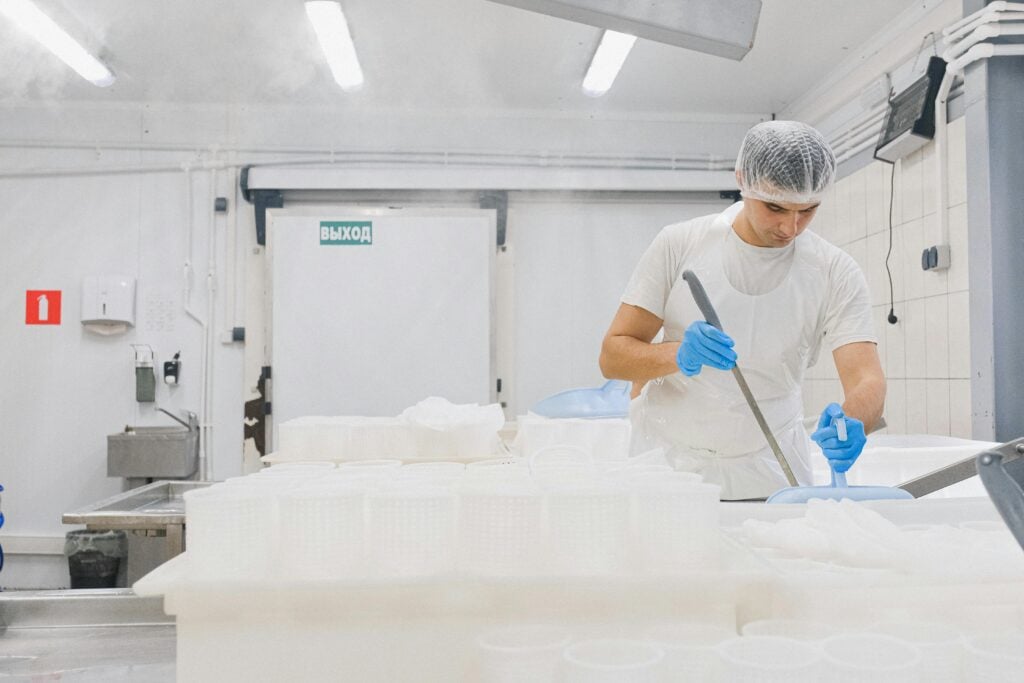
Maintaining high standards of sanitation in food processing facilities is critical to ensure food safety, prevent contamination, and comply with industry regulations. Proper cleaning routines and sanitization practices are vital for minimizing microbial risks and maintaining the integrity of food products.
Differences Between Cleaning, Sanitizing, and Disinfecting
Knowing the distinctions between cleaning, sanitizing, and disinfecting is essential for food industry professionals.
- Cleaning: The removal of dirt, debris, and food residues from surfaces.
- Sanitizing: Reducing the number of microbes on surfaces to safe levels, often performed after cleaning.
- Disinfecting: Destroying all microbial life on surfaces, used in high-risk areas where contamination must be eliminated.
Best Practices for Effective Food Processing Plant Cleaning
Routine Cleaning Procedures
- Use approved cleaning agents that comply with food safety regulations.
- Implement wet cleaning methods for removing residues effectively.
- Follow detailed procedures for cleaning machinery, utensils, and surfaces.
Sanitization Protocols
- Apply appropriate sanitizers approved for food contact surfaces.
- Ensure contact times and temperatures meet regulatory standards.
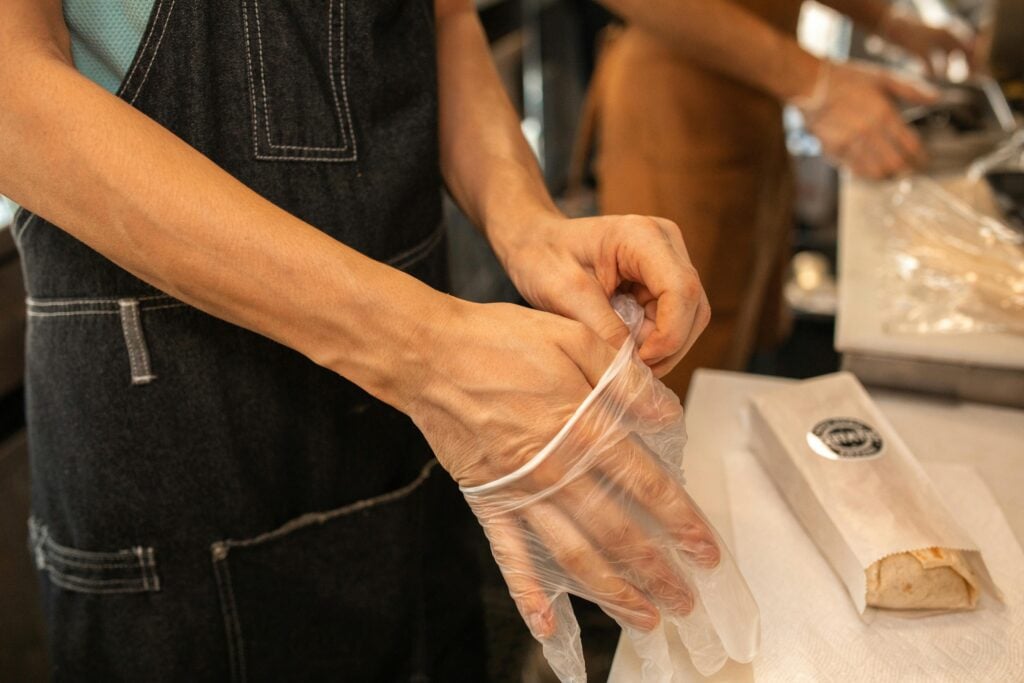
- Train staff on proper sanitizing techniques to prevent cross-contamination.
Compliance and Regulatory Considerations
Adherence to HACCP (Hazard Analysis and Critical Control Points) systems, along with regular audits, are crucial for maintaining compliance. These practices help identify potential hazards and establish control measures to prevent foodborne illnesses.
Choosing the Right Sanitation Service Providers
Partnering with reliable sanitation companies can streamline compliance efforts. Companies like Fayette Contract Sanitation Services, alongside organizations such as Janiking and Jan-Pro, offer specialized cleaning solutions tailored for food industry needs.
Integrating Advanced Sanitation Technologies
Innovative cleaning technologies like wet cleaning systems and automated sanitation equipment can enhance operational efficiency and ensure thorough decontamination.
Conclusion
Effective sanitation practices are fundamental to food safety and operational success in food processing. By understanding the differences between cleaning, sanitizing, and disinfecting, and partnering with experienced sanitation providers, food facilities can achieve compliance and uphold high standards of hygiene.