Introduction to Food Plant Sanitation and Food Safety
Maintaining a high standard of food plant sanitation is essential for ensuring food safety and achieving compliance with industry regulations. Proper sanitation practices help eliminate harmful pathogens, prevent contamination, and extend the shelf life of products. This article explores practical strategies for food processing facilities to optimize their sanitation processes and meet industry standards.
Understanding the Importance of Food Plant Sanitation
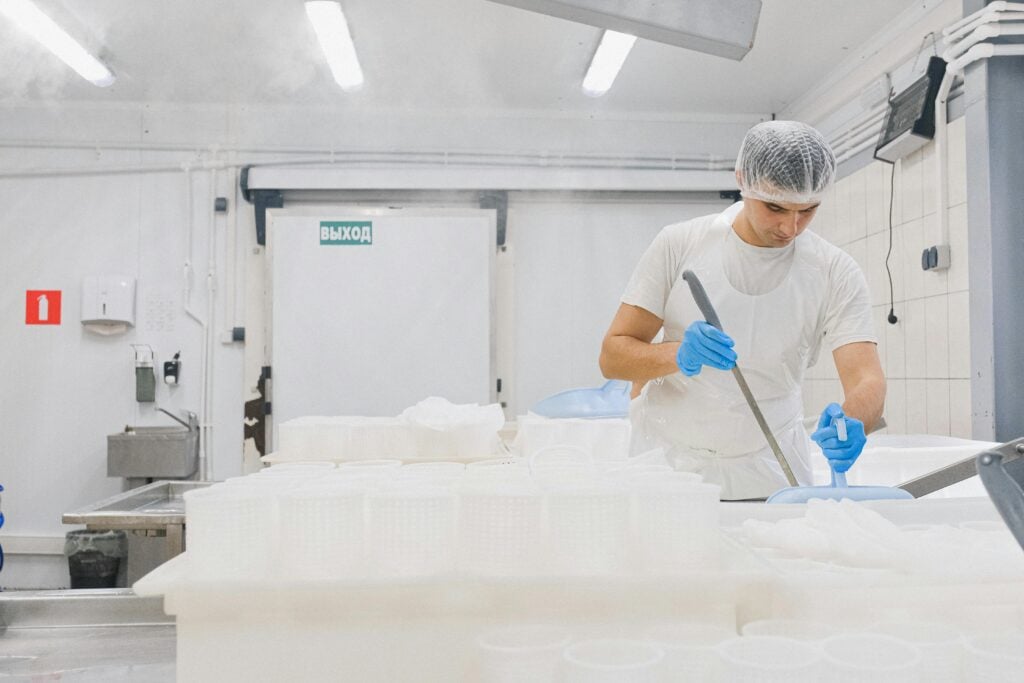
Food processing plants are high-risk environments requiring rigorous sanitation protocols. Effective food sanitation services minimize the risk of microbial contamination, which can lead to costly recalls, legal issues, and damage to brand reputation.
Basic Principles of Food Cleaning and Sanitization
- Cleaning: Removing dirt, debris, and organic matter that can harbor bacteria.
- Sanitizing: Applying disinfectants to reduce microbial counts on surfaces.
- Disinfection: Using chemical agents to kill or inactivate pathogenic microorganisms.
Key Strategies for Effective Food Plant Sanitation
Implementing HACCP Compliance
Adhering to HACCP (Hazard Analysis and Critical Control Points) principles is vital for managing food safety risks. A well-designed HACCP plan helps identify critical points in the production process where sanitation controls are essential.
Utilizing Proper Cleaning Methods
Effective cleaning methods include:
- Wet Cleaning: Using water and detergents to remove residues.
- Dry Cleaning: Eliminating visible debris with brushes or vacuums.
- High-Pressure Washing: Removing stubborn contaminants from surfaces.
Choosing the Right Sanitizing Agents
The selection of sanitizers should be based on the specific application, surface compatibility, and regulatory approval. Examples include chlorine-based solutions, quaternary ammonium compounds, and peroxide-based agents. It’s crucial to follow manufacturer instructions for contact time and concentration.
Best Practices for Food Industry Sanitation
Routine Cleaning Schedules
Establishing and adhering to a routine schedule ensures consistent sanitation. Regular cleaning reduces microbial build-up and prevents cross-contamination.
Training Staff
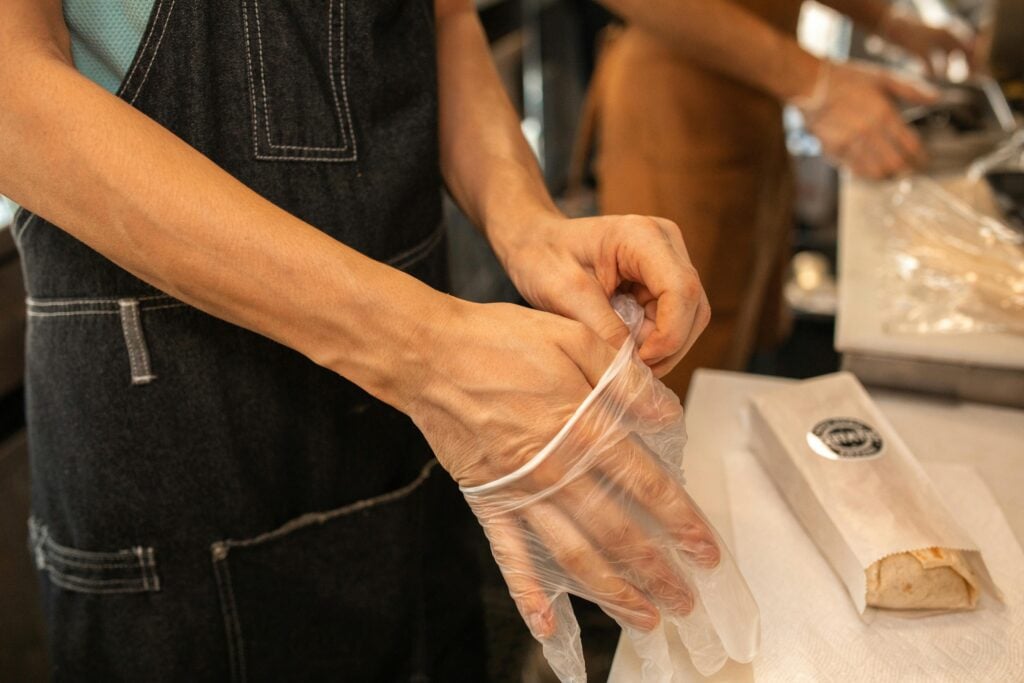
Proper training ensures that sanitation procedures are correctly followed, which is vital for food safety and compliance. Staff should be knowledgeable about cleaning protocols, proper use of disinfectants, and personal hygiene practices.
Monitoring and Documentation
Regular monitoring, through visual inspections and microbiological testing, helps verify sanitation effectiveness. Maintaining detailed records supports compliance audits and continuous improvement.
Innovations in Food Plant Sanitation Technology
Advancements such as CIP (Clean-in-Place) systems allow for automated, efficient cleaning of equipment without disassembly. UV-C light and ozone treatments are alternative methods gaining popularity for their residual-free sanitization capabilities.
Choosing a Food Sanitation Service Provider
Partnering with experienced sanitation companies ensures that your facility adheres to the highest standards. Reputable providers include:
Conclusion
Implementing robust sanitation strategies, complying with HACCP standards, and leveraging modern technology are key to maintaining food safety in processing plants. Regular training, routine cleaning schedules, and choosing the right partners will help your facility stay compliant and produce safe, high-quality food products.