Maintaining cleanliness and sanitation in food processing facilities is critical both for food safety and for ensuring compliance with regulatory standards.
Why Industrial Cleaning Matters in Food Processing
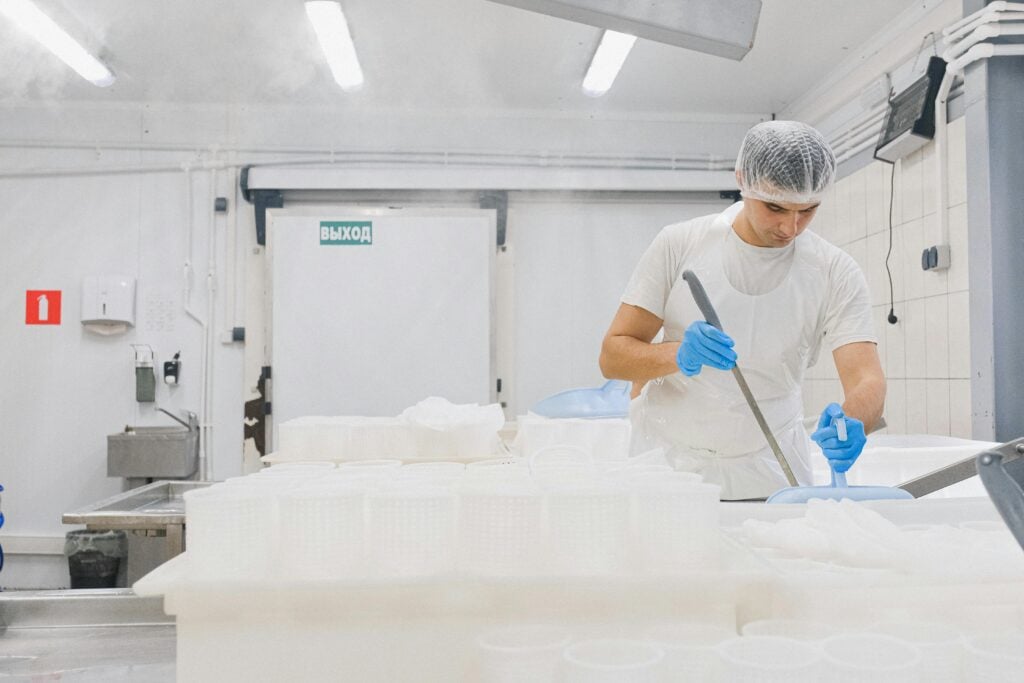
Food processing plants are dynamic environments where contamination risks are high. Proper industrial sanitation not only prolongs the lifespan of equipment but also safeguards consumer health by preventing microbial growth and cross-contamination.
Core Strategies for Effective Food Plant Sanitation
1. Establish a Robust HACC P System
The foundation of a successful sanitation program is HACCP (Hazard Analysis and Critical Control Points). This systematic approach helps identify potential hazards and implement control measures to mitigate risks.
2. Use Appropriate Cleaning and Sanitizing Agents
- Employ FDA-approved cleaning agents designed for food contact surfaces
- Follow manufacturer instructions for dilution and contact time
- Incorporate wet cleaning procedures for stubborn debris
3. Implement Regular and Documented Cleaning Schedules
Routine cleaning cycles, coupled with detailed documentation, ensure accountability and help pass food safety audits.
Best Practices for Sanitization
Disinfection and Sanitization
While often used interchangeably, sanitization focuses on reducing microbial populations to safe levels, whereas disinfection aims to eliminate all pathogenic microorganisms.1
Critical Control Points
- Post-cleaning rinse with potable water
- Application of approved sanitizers such as quaternary ammonium compounds or chlorine-based solutions
- Ensure proper contact time for effectiveness
Equipment and Facility Considerations
- Choose materials compatible with cleaning agents (e.g., stainless steel)
- Maintain proper drainage to prevent pooling of contaminants
- Regularly inspect and maintain sanitation equipment
Training and Compliance
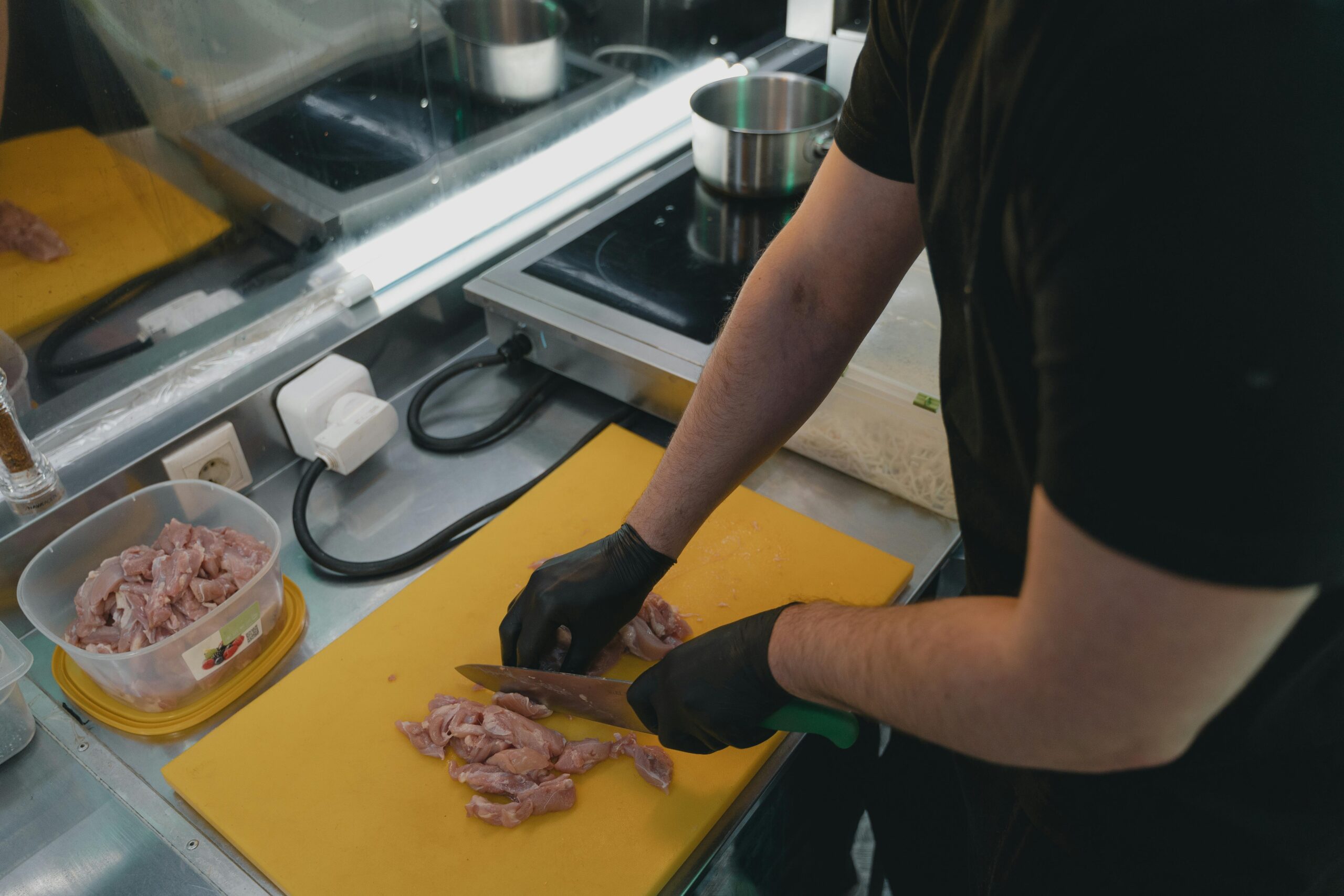
Personnel training on sanitation procedures and hygiene practices is essential for consistent results and regulatory compliance.
Sanitation Service Providers
When seeking professional support, consider trusted companies such as Fayette Contract Sanitation Services, Janiking, and Hydrite. These firms offer specialized sanitation programs tailored for food processing facilities.
By adhering to these sanitation strategies, food processing plants can reduce contamination risks, meet compliance standards, and ensure consumer safety. Regular evaluations and employing experienced sanitation contractors are key to maintaining a high standard of hygiene in the food industry.