Introduction
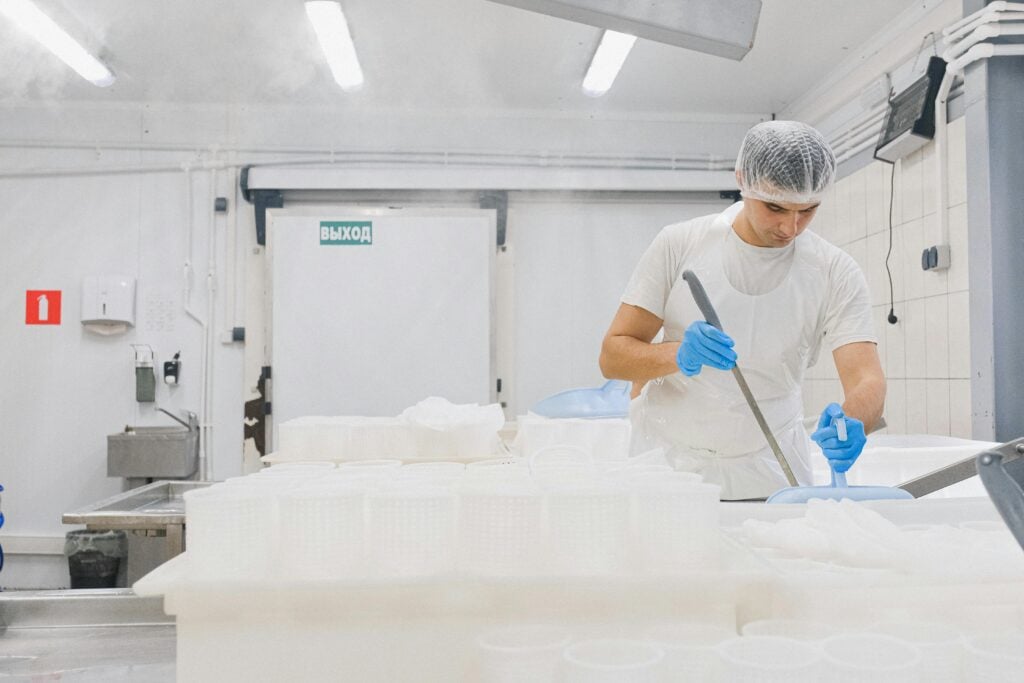
Maintaining high standards of food safety in food processing facilities is critical, not only for regulatory compliance but also for consumer trust and brand reputation. Industrial sanitation plays a pivotal role in achieving these goals, especially within the complex environment of food plants.
The Importance of Industrial Sanitation in Food Processing
Effective food plant sanitation services help eliminate bacteria, dirt, pests, and other contaminants. This is essential for preventing food contamination and ensuring compliance with regulations such as HACCP (Hazard Analysis and Critical Control Points).
Key Benefits:
- Minimizes risk of cross-contamination
- Ensures compliance with safety standards
- Extends equipment lifespan
- Improves overall hygiene and cleanliness
Core Cleaning Strategies in Food Processing Facilities
1. Automated Cleaning Systems
Using wet cleaning methods and automated sanitation equipment can improve efficiency while maintaining high standards of hygiene. These systems reduce manual labor and ensure uniform cleaning coverage.
2. Regular Routine Cleaning
Routine cleaning schedules should include disinfecting all surfaces, equipment, and floors, particularly in high-risk areas such as processing lines and storage zones.
3. Use of Sanitation Chemicals
Choosing appropriate sanitizers and disinfectants is vital. They should be food-grade, compliant with safety regulations, and effective against common pathogens.
Compliance and Regulatory Considerations
Understanding and implementing a HACCP system is crucial for compliance. Regular audits, record-keeping, and staff training ensure seamless adherence to sanitation protocols.
Partnering with Professional Sanitation Providers
Partnering with trusted contract sanitation companies can streamline your sanitation processes. Some of the top providers include:
Conclusion
Maintaining rigorous industrial sanitation standards is fundamental to ensuring food safety, compliance, and operational efficiency. By adopting advanced cleaning methods, choosing the right sanitizers, and partnering with experienced service providers, food processing facilities can achieve their sanitation goals effectively.