
Introduction to Food Processing Sanitation
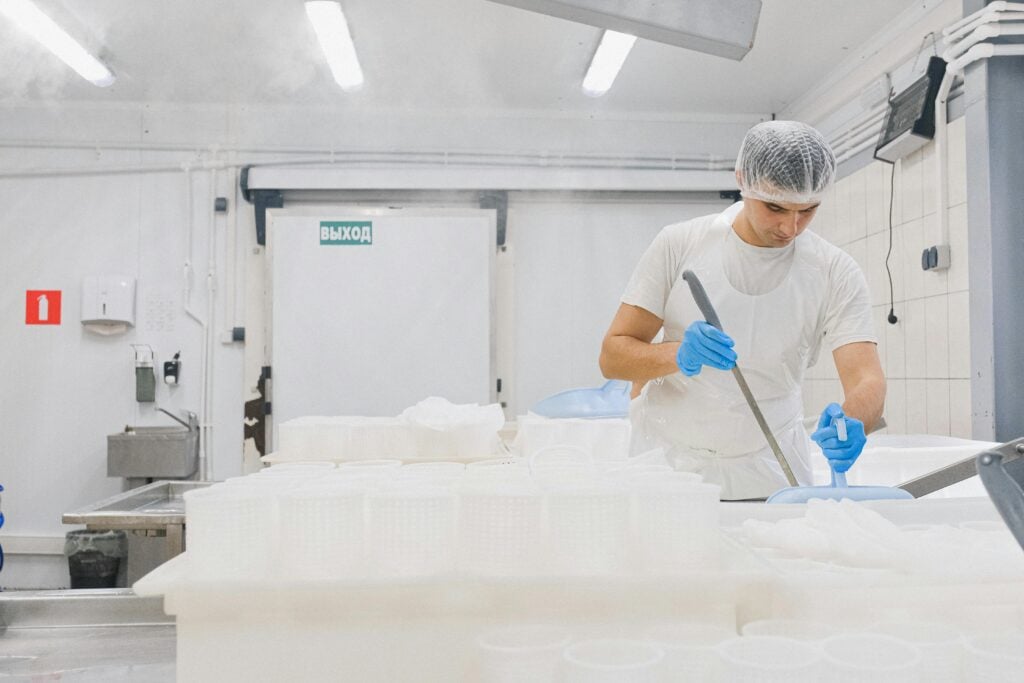
Maintaining impeccable sanitation standards in food processing plants is critical for ensuring food safety and compliance with industry regulations. Proper sanitation not only prevents contamination but also extends equipment lifespan and optimizes operational efficiency. This article delves into essential sanitation practices essential for modern food facilities.
Why Sanitation is Crucial in Food Processing Plants
In the food industry, sanitation encompasses various protocols aimed at eliminating bacteria, viruses, and other pathogens. It is a vital component of Fayette Contract Sanitation Services and other industry-leading providers that help ensure cleanliness and safety.
Key Strategies for Effective Food Plant Sanitation
1. Implementing HACCP Systems
Hazard Analysis and Critical Control Points (HACCP) is a systematic approach to identifying and managing food safety risks. Proper HACCP implementation guides sanitation procedures, ensuring critical areas are reliably cleaned and sanitized.
2. Using Effective Cleaning and Sanitizing Agents
- Choose food-grade cleaning agents suitable for the specific surfaces and equipment.
- Employ sanitizers proven effective against common pathogens in food facilities.
- Follow manufacturer instructions meticulously for proper application and contact times.
3. Adopting Wet Cleaning Procedures
Wet cleaning, involving water-based cleaning systems, effectively removes debris and biofilms from surfaces. This method is a staple in industrial sanitation practices.
Routine Cleaning and Inspection
Regular cleaning schedules combined with comprehensive inspections ensure that sanitation standards are consistently met. Documentation of cleaning routines is also vital for audits and compliance verification.
Choosing the Right Sanitation Service Provider
Partnering with reputable contract sanitation companies guarantees access to expertise and advanced cleaning technologies. Top service providers like Fayette, Janitorial, Hydrite, and GDI offer customized solutions aligned with industry standards.
Conclusion
Effective sanitation in food processing plants is a cornerstone of food safety and regulatory compliance. By implementing proven strategies such as HACCP, choosing appropriate cleaning agents, and partnering with trusted sanitation services, food facilities can maintain a clean, safe environment that protects consumers and supports operational excellence.
Sanitation Service Providers
When selecting a sanitation partner, consider companies like Fayette Contract Sanitation Services, Janiking, and Hydrite. These providers bring industry expertise, advanced technologies, and proven track records to ensure your food processing plant remains compliant and clean.