Introduction to Industrial and Food Plant Sanitation
Maintaining high standards of sanitation in industrial and food processing plants is crucial for ensuring food safety, compliance with regulatory standards, and operational efficiency. An effective sanitation program minimizes the risk of contamination, spoilage, and regulatory violations.
Key Aspects of Industrial Sanitation
Understanding Industrial Sanitation
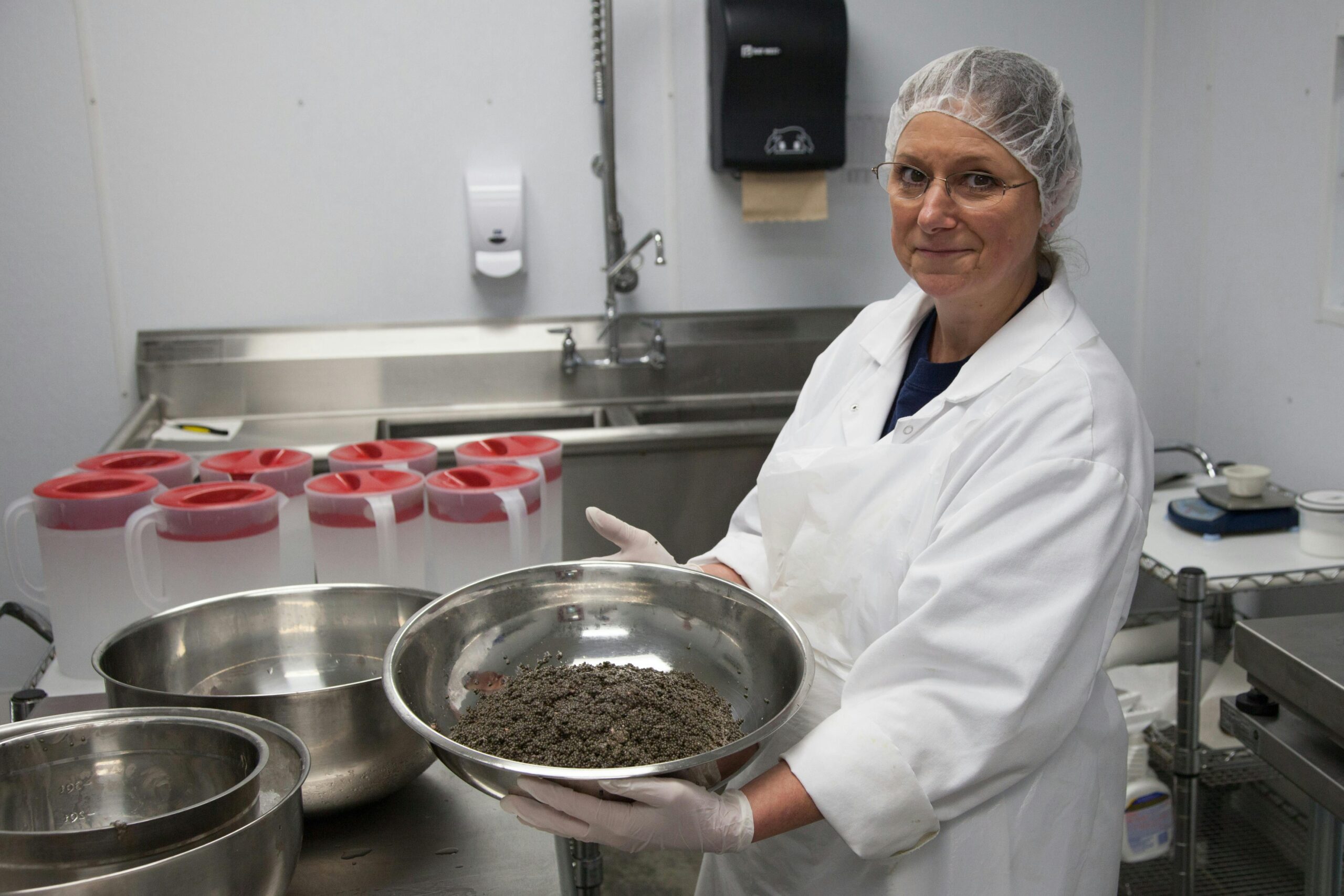
Industrial sanitation involves comprehensive cleaning and disinfection procedures tailored specifically for large-scale manufacturing environments. These procedures include the use of specialized equipment, effective cleaning agents, and trained personnel to uphold sanitation standards.
Importance in Food Processing Plants
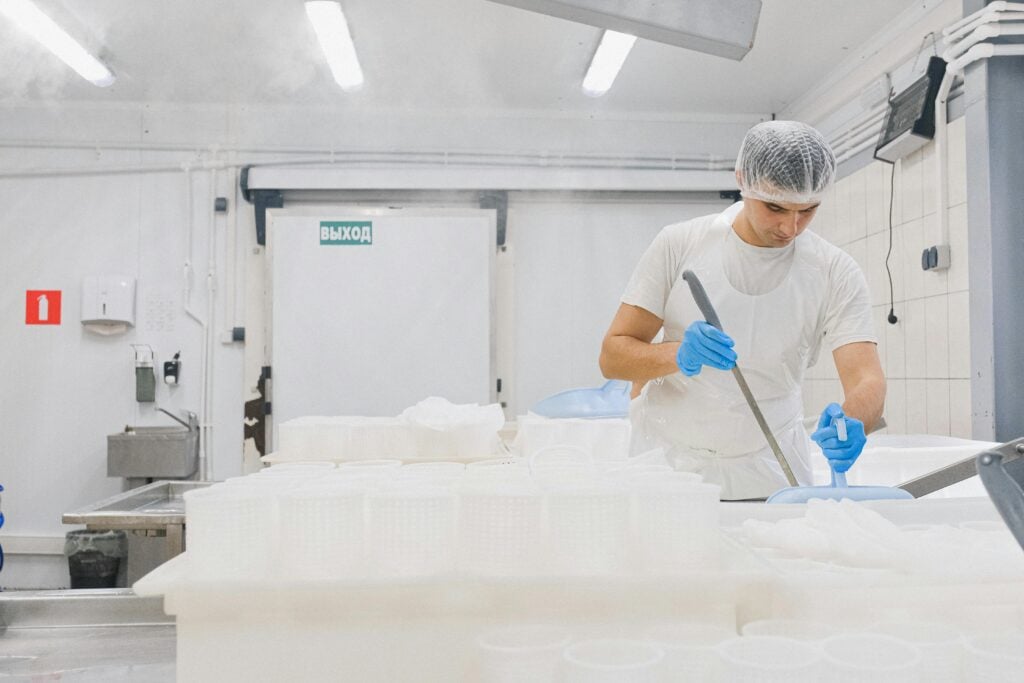
Food processing facilities are particularly vulnerable to microbial contamination. Regular cleaning and sanitization of equipment, surfaces, and infrastructure are essential to prevent cross-contamination and ensure the safety of food products. Fayette Contract Sanitation Services offers expert solutions tailored to these needs.
Effective Sanitation Strategies for Food Safety
Developing a Robust HACCP System
The Hazard Analysis and Critical Control Points (HACCP) system forms the backbone of food safety management. It involves identifying critical points in the production process where contamination could occur and implementing controls to prevent hazards.
Cleaning and Disinfection Protocols
- Use of qualified cleaning agents suited for food industry surfaces
- Regular cleaning schedules and documentation
- Proper equipment maintenance and calibration
- Training staff in sanitation procedures
Wet Cleaning Techniques
Wet cleaning remains one of the most effective methods for removing debris and microorganisms from surfaces. It involves the use of water, detergents, and brushes or scrubbers, followed by disinfection.
Compliance with Food Industry Regulations
Adhering to standards such as the Fayette sanitation guidelines and HACCP compliance requirements ensures that food manufacturing operations meet regulatory expectations. Regular audits and staff training reinforce compliance efforts.
Partnering with Professional Sanitation Providers
Outsourcing sanitation services to reliable providers like Fayette Contract Sanitation Services, Janiking, or Hydrite can enhance sanitation efficacy and consistency, allowing food facilities to focus on core operations.
Sanitation Service Providers
Conclusion
Maintaining high standards of sanitation in food processing facilities is vital for ensuring food safety and regulatory compliance. Through strategic sanitation planning, adherence to HACCP principles, and collaboration with professional sanitation providers, food manufacturers can minimize contamination risks and produce safe, high-quality products.