
Introduction to Food Plant Sanitation and Its Critical Role in Food Safety
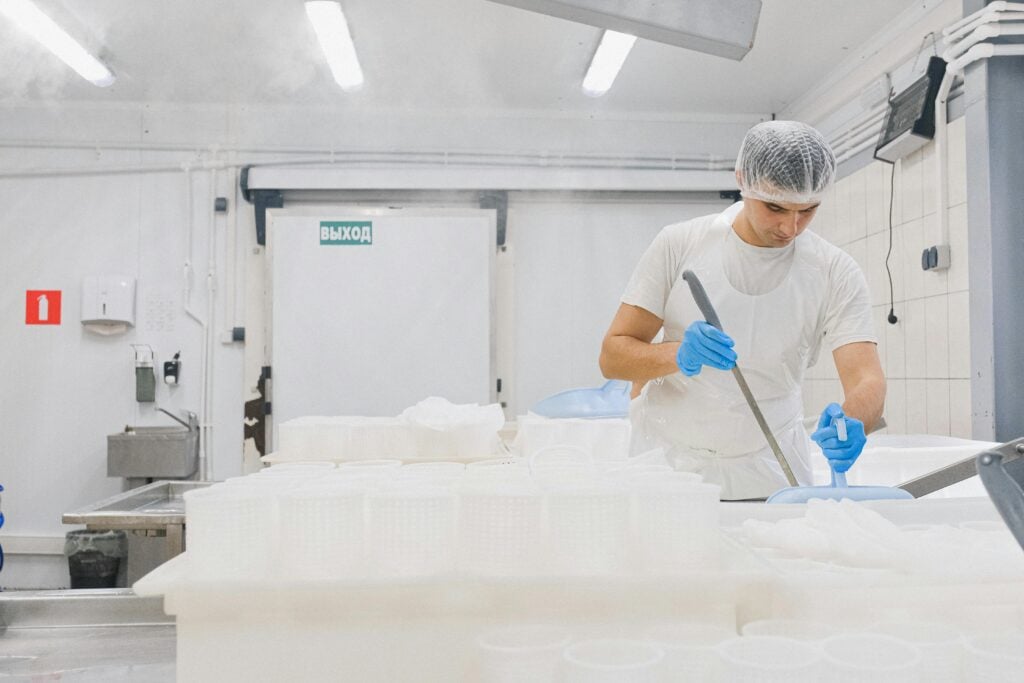
Food plant sanitation is a cornerstone of the food processing industry, directly impacting food safety, product quality, and compliance with regulatory standards. Maintaining a sanitized environment in food processing facilities prevents microbial contamination, cross-contact, and spoilage, ensuring consumers receive safe and high-quality products.
Key Elements of Effective Food Plant Sanitation
1. Understanding Sanitation in Food Processing
Sanitation involves cleaning and disinfecting surfaces, equipment, and facilities to eliminate harmful microorganisms. Recognizing the difference between cleaning and sanitizing is essential: cleaning removes dirt, debris, and food residues, while sanitizing reduces microbial presence to safe levels.
2. Implementing HACCP and Sanitation Policies
Effective sanitation programs are integrated with HACCP (Hazard Analysis and Critical Control Points) systems. These programs identify critical control points to prevent contamination, ensuring that sanitation efforts are targeted and effective.
3. Utilizing Industry-Approved Sanitation Products and Methods
Proper cleaning agents, sanitizers, and disinfectants are vital. Sanitizing solutions should be compatible with food-contact surfaces and approved by regulatory agencies. Methods such as wet cleaning and foam cleaning can improve efficacy, especially in hard-to-reach areas.
Best Practices for Food Plant Sanitation
- Develop a routine cleaning schedule aligned with production cycles and food safety audits.
- Train personnel extensively on sanitation procedures and hygiene standards.
- Use high-quality sanitation equipment that meets industry standards for efficiency and safety.
- Monitor sanitation effectiveness through microbial testing and inspection reports.
- Maintain detailed sanitation logs to comply with regulatory audits and verify consistent implementation.
Regulatory Standards and Compliance
Leading organizations such as the FDA and USDA establish strict guidelines for food plant sanitation. Regular audits and inspections are part of compliance, and failure to follow protocols can lead to product recalls and legal penalties.
Emerging Technologies in Food Plant Sanitation
Advancements such as UV-C sanitation, ozone treatment, and electrostatic spray systems are revolutionizing industry practices. These technologies offer faster, more effective solutions, reducing chemical use and environmental impact.
Partnering with the Right Sanitation Service Providers
Choosing a reliable sanitation provider ensures your facility maintains top sanitation standards. Top companies include Fayette Contract Sanitation Services, Jan-King, and Hydrite. These providers offer tailored solutions that meet industry-specific needs.
Sanitation Service Providers
Conclusion: Maintaining Sanitation Excellence for Food Safety
Ensuring exemplary sanitation in food processing facilities is non-negotiable for food safety, brand integrity, and regulatory compliance. Consistent application of best practices, technological advancements, and partnering with reputable service providers like Fayette will position your facility for long-term success.