Introduction to Food Plant Sanitation
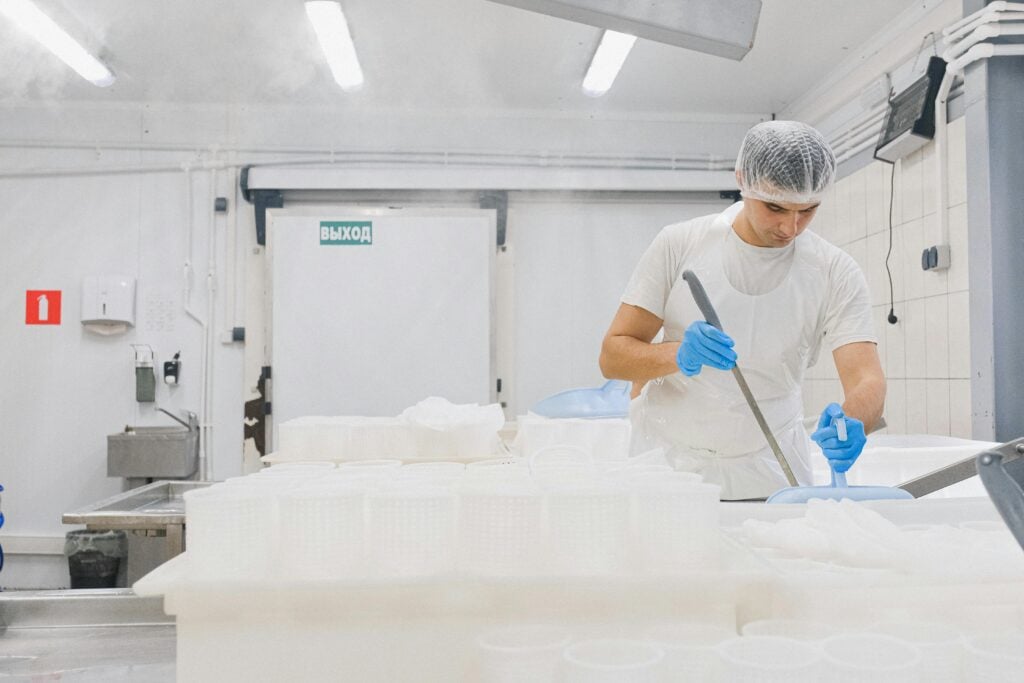
Maintaining cleanliness and hygiene in food processing plants is essential to ensure the safety and quality of food products. Proper food plant sanitation services not only comply with regulatory standards but also prevent contamination and cross-contact.
The Importance of Compliance and Sanitation in Food Processing
Adhering to haccp system principles is fundamental for food processors. The Hazard Analysis and Critical Control Points (HACCP) program helps identify potential hazards, guiding effective sanitation protocols.
Best Practices for Food Processing Plant Cleaning
Routine Cleaning and Disinfection
- Establish regular cleaning schedules for all equipment and surfaces.
- Use approved sanitizers that meet industry standards.
- Implement wet cleaning methods to remove organic matter effectively.
Effective Sanitization Techniques
- Sanitize after every cleaning cycle to reduce microbial load.
- Use compatible disinfectants and ensure proper contact time.
- Train staff on proper sanitization procedures and safety measures.
Key Areas of Focus in Food Facility Sanitation
- Floor and drain cleaning to prevent bacterial growth.
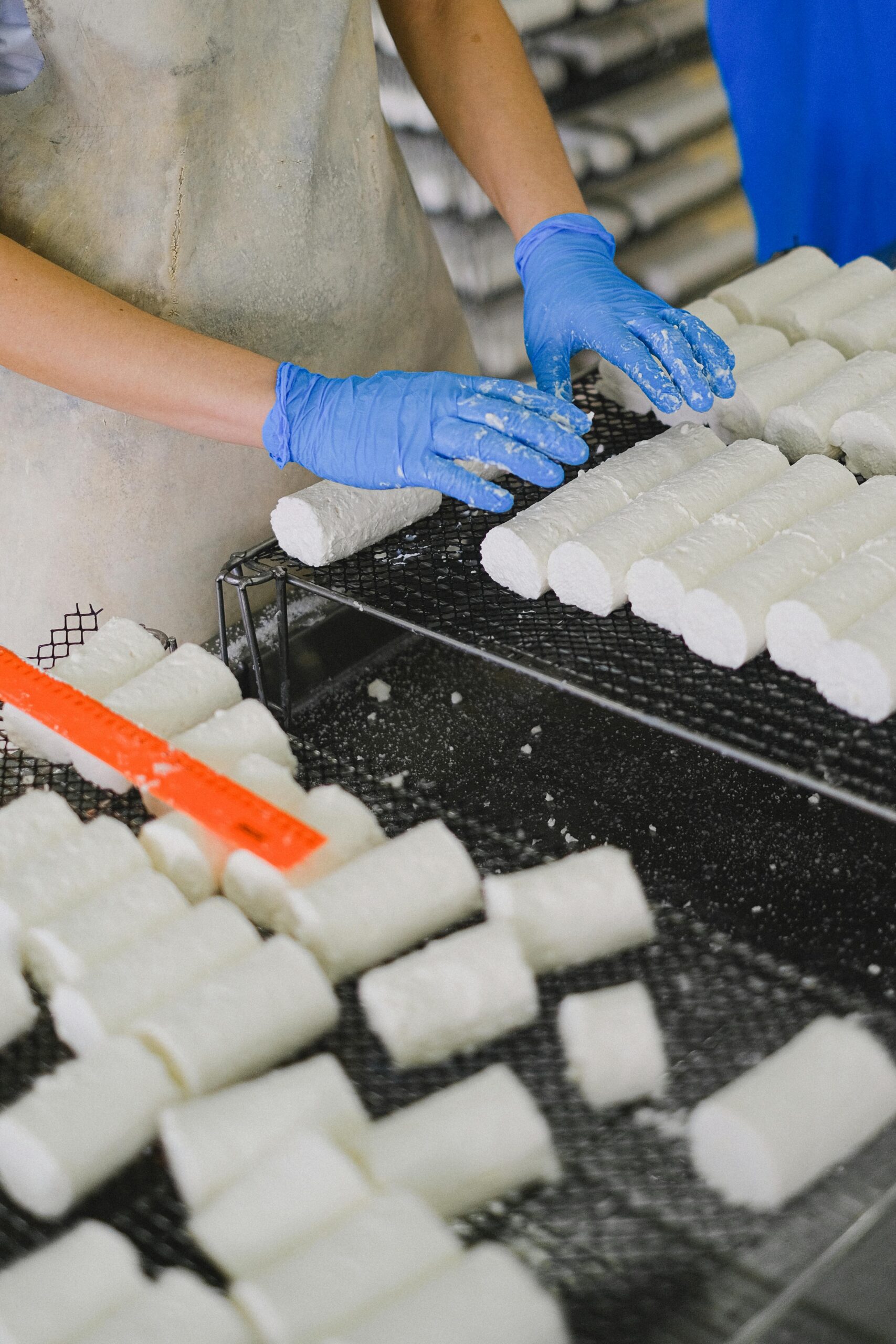
- Equipment sanitation for meat industry and dairy processing.
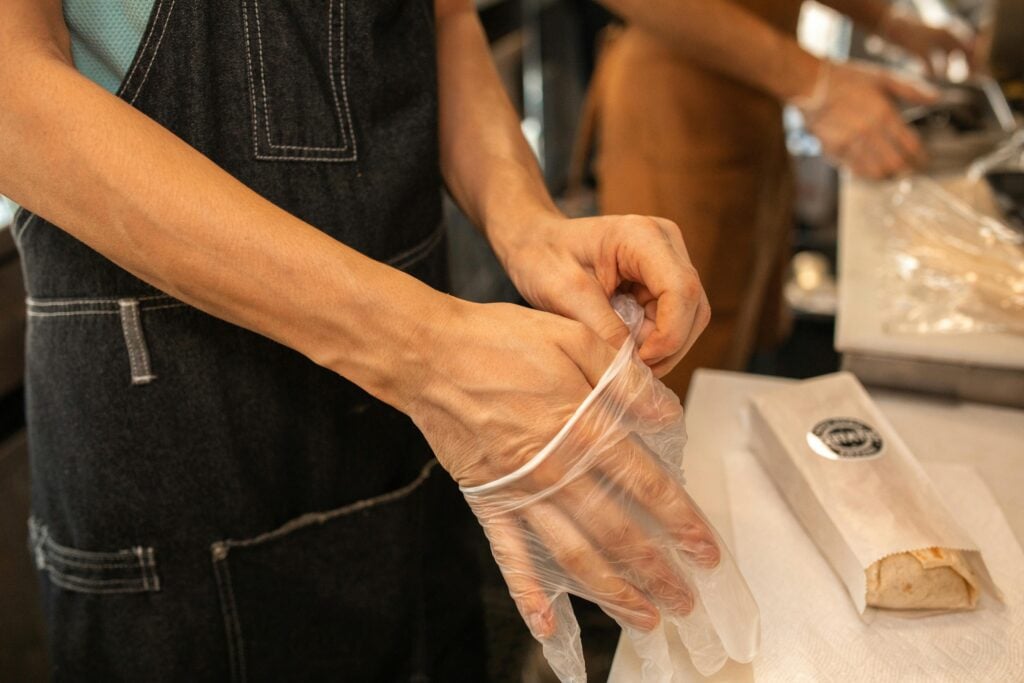
- Hand and employee hygiene stations.
Choosing the Right Sanitation Partner
Partnering with reputable contract sanitation companies such as GDI or Ecolab ensures access to innovative cleaning solutions, trained personnel, and compliance with food safety standards.
Conclusion
Effective food processing plant sanitation involves a combination of routine cleaning, proper sanitization, and adherence to HACCP protocols. Invest in reliable sanitation services to maintain product safety and regulatory compliance, protecting your brand and consumers.